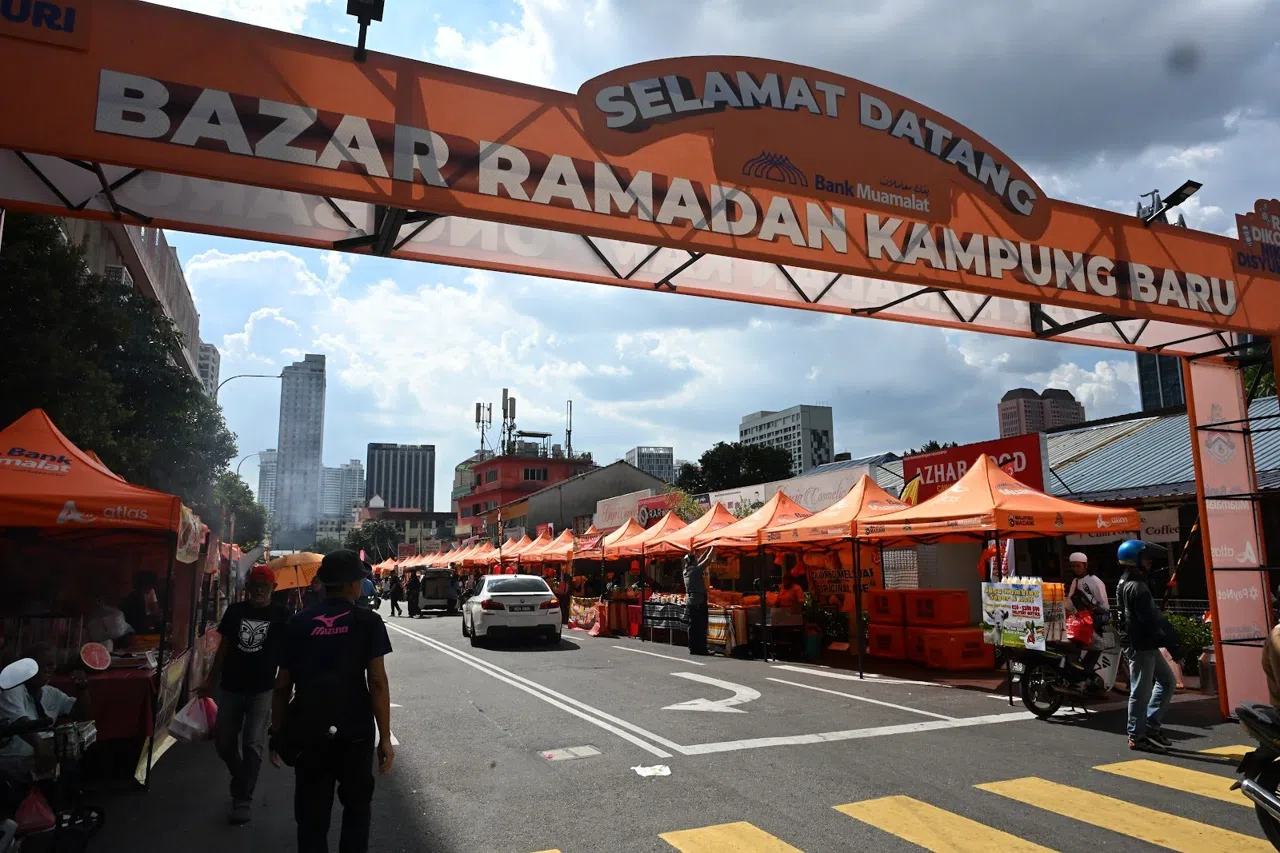
By five in the afternoon the corrugated roofs of Kampung Baru have gone the colour of old brass, satay fat is hissing onto coals in relay lines fifty metres long, and somewhere under the shadow of the Petronas skyline a woman is folding banana leaf around rice she started steaming before dawn. This is Kuala Lumpur's Ramadan bazaar circuit — a month of pop-up streets that exist for one reason only, to feed a fasting city its iftar — and it collides, gloriously, with a night-market culture that never needed a religious calendar to justify itself in the first place. Get the timing right in 2026 and you eat your way through the most honest version of this city there is, one that runs on cash, queueing manners, and the clock of the sunset call to prayer.
The Big Four: Kuala Lumpur's Ramadan Bazaar Heavyweights
Ramadan in 2026 falls from 17 February to 19 March, and for those thirty-one days the calculus of where to eat in KL changes completely. Four bazaars do the heaviest lifting, and each has a genuinely different personality rather than being interchangeable versions of the same stall run.
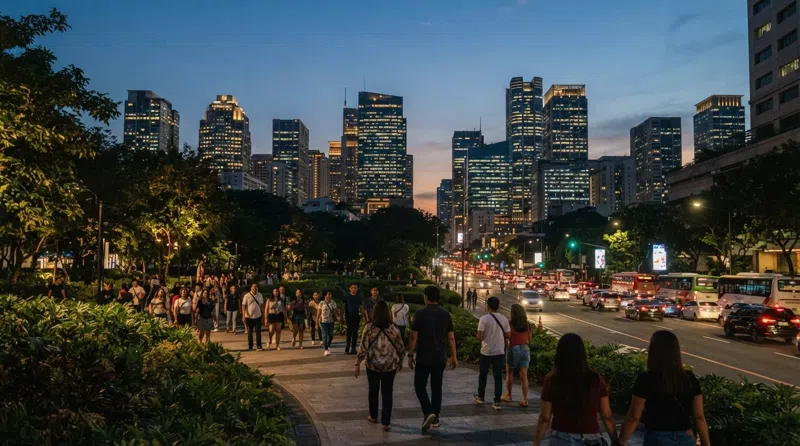
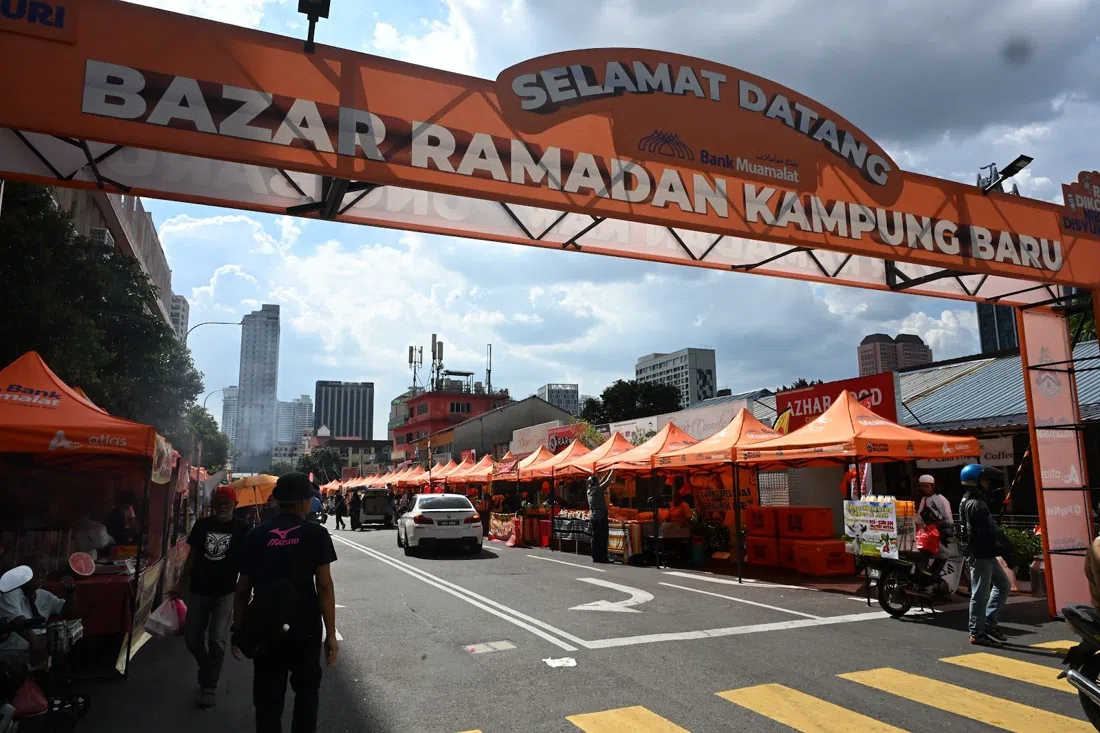
Kampung Baru Ramadan Bazaar, set inside the old Malay village enclave a few hundred metres from the Petronas Towers, is the one photographers chase for good reason — low kampung rooflines in the foreground, glass skyscrapers stacked up behind, and a wide-open street with no door policy at all, so a group of ten can move through as easily as a couple. The trick here is arrival time: turn up at 5 or 6pm and you can actually see what you are buying and hear the stallholder's answer when you ask what is in something; leave it until 7pm and you are shuffling shoulder to shoulder through the buka puasa crush with everyone else who had the same idea. Expect RM3 to RM15 a dish and bring notes and coins — nobody here takes cards.
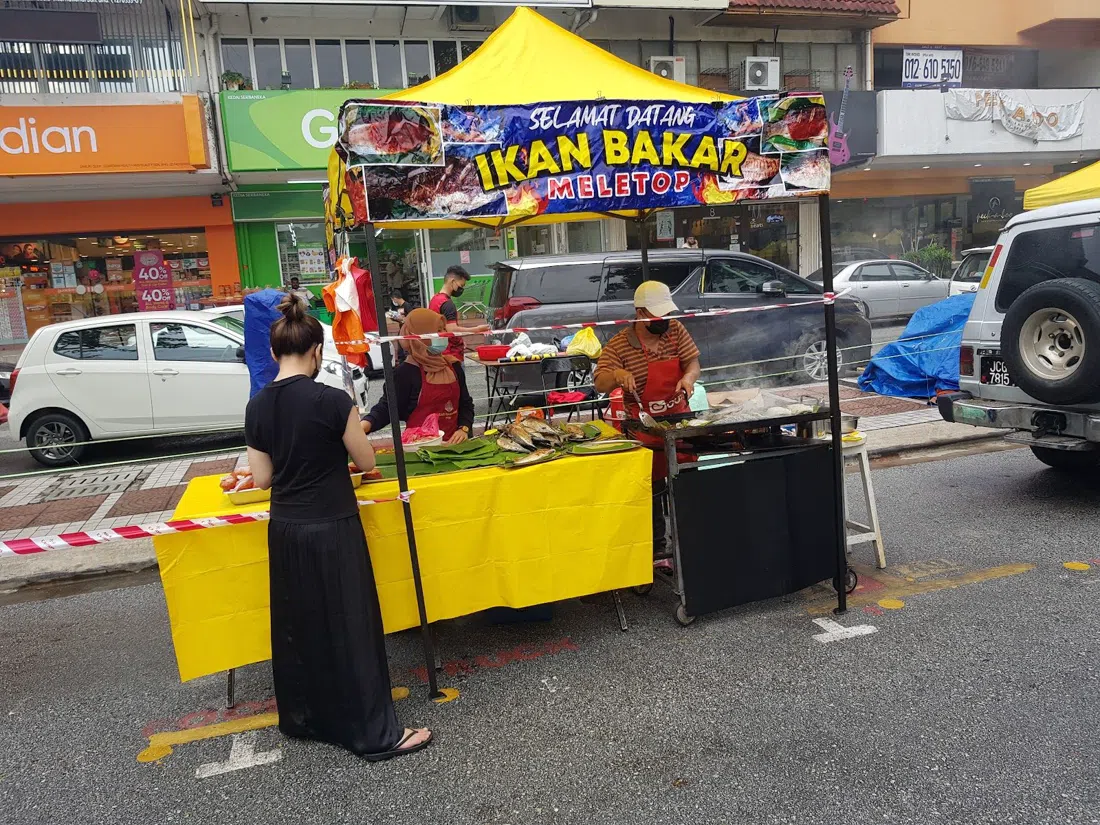
TTDI Ramadan Bazaar, running along a pedestrianised road in Taman Tun Dr Ismail, is the one Kuala Lumpur residents themselves rate highest, and not for the photo opportunities — for the food. Ask a local which bazaar they actually shop at during Ramadan and TTDI comes up more than any other, which tells you the stall selection has been curated by repeat customers rather than tourist footfall. It is a shorter window than some of the others, open only 4pm to 7.30pm daily, and it gets genuinely packed just before sunset, so treat 4.30–5.30pm as the sweet spot if you want to browse rather than be swept along. Same pricing band, RM3–15, same cash-only rule.
Jalan Masjid India Ramadan Bazaar is the one that actually delivers on Kuala Lumpur's multicultural pitch rather than just repeating it as a slogan — Malay, Indian and Chinese stalls sit shoulder to shoulder under a covered walkway in the Masjid India district, and the food reflects it, with murtabak next to putu piring next to char kway teow within a few stalls of each other. The covered format is kind in the heat but narrow in peak hours, so this is the bazaar to bring a smaller cluster to rather than a party of ten — after 6pm, when the walkway fills up, four or five people can still weave through comfortably where a bigger group would end up strung out and shouting to each other over the noise. RM3–15, cash only.
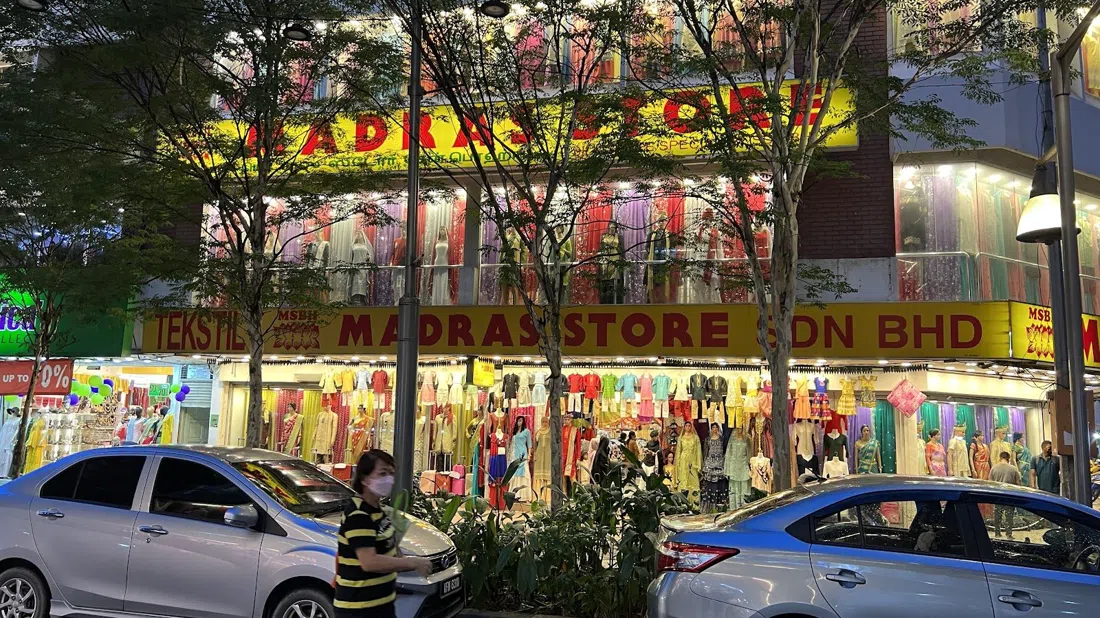
Taman Melawati Ramadan Bazaar, out in the north-eastern suburbs, is the one to pick if scale is the point of the exercise rather than old-town atmosphere. It is regularly cited as the biggest bazaar by stall count in the entire Klang Valley, laid out across a large open lot with actual parking nearby — a genuinely rare comfort in a city where finding somewhere to leave a car near a bazaar is normally its own small ordeal. If you are travelling with a big group and want everyone to have room to spread out and compare notes on four different satay stalls at once, this is the bazaar built for that. Same RM3–15 range, cash only.
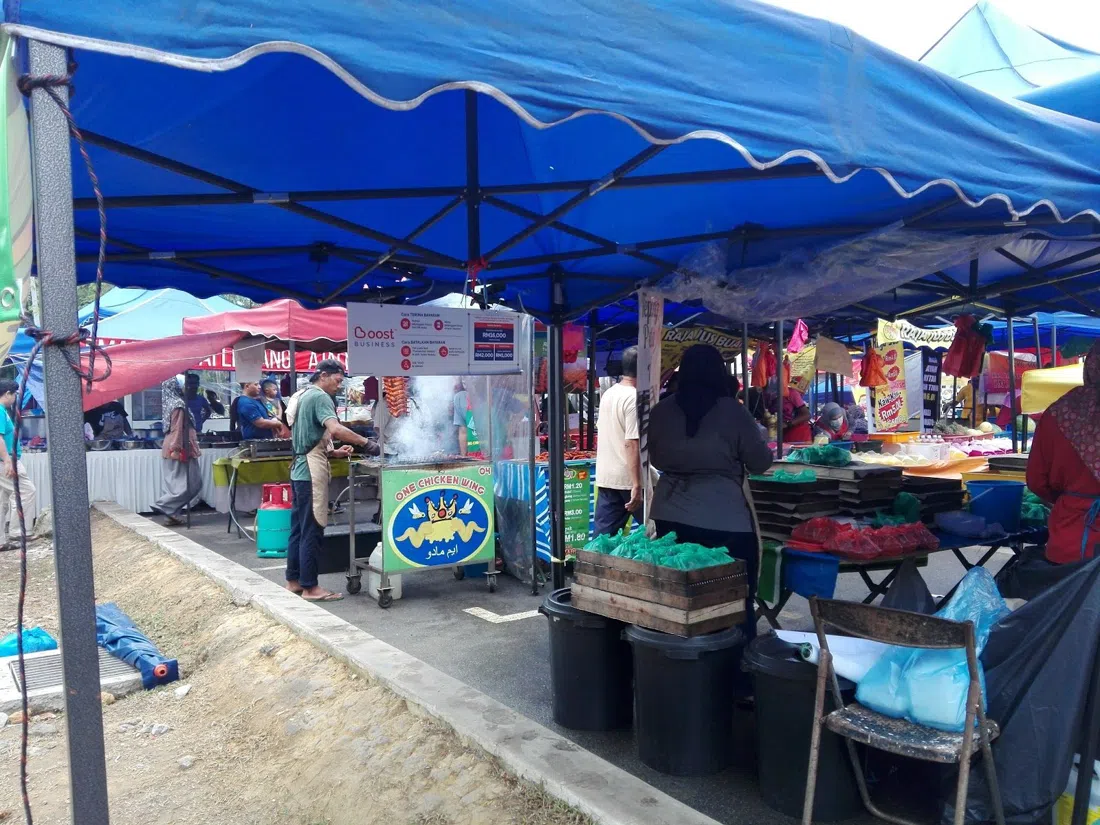
Chow Kit After Dark: The Unfiltered Version
Chow Kit Market, sprawled along and around Jalan Tuanku Abdul Rahman, is Kuala Lumpur's largest and rawest market, and it is worth being upfront about the difference between its two faces. By day, the wet-market floor is slippery, crowded, and not really built for a casual wander — this is where the city buys fish and vegetables, not where it takes visitors for an afternoon out. After dark, though, the market shifts register: dry-goods stalls and street food take over, and during Ramadan its own scattering of bazaar stalls appears along Lorong TAR, unpolished and almost entirely free of the tourist volume you get in Kampung Baru or Masjid India ten minutes away. It handles groups easily on the food side in the evening, and at RM5–20 a plate it is one of the cheapest proper feeds on this list. Treat it as the backstreet counterpoint to the more manicured bazaars rather than a replacement for them.
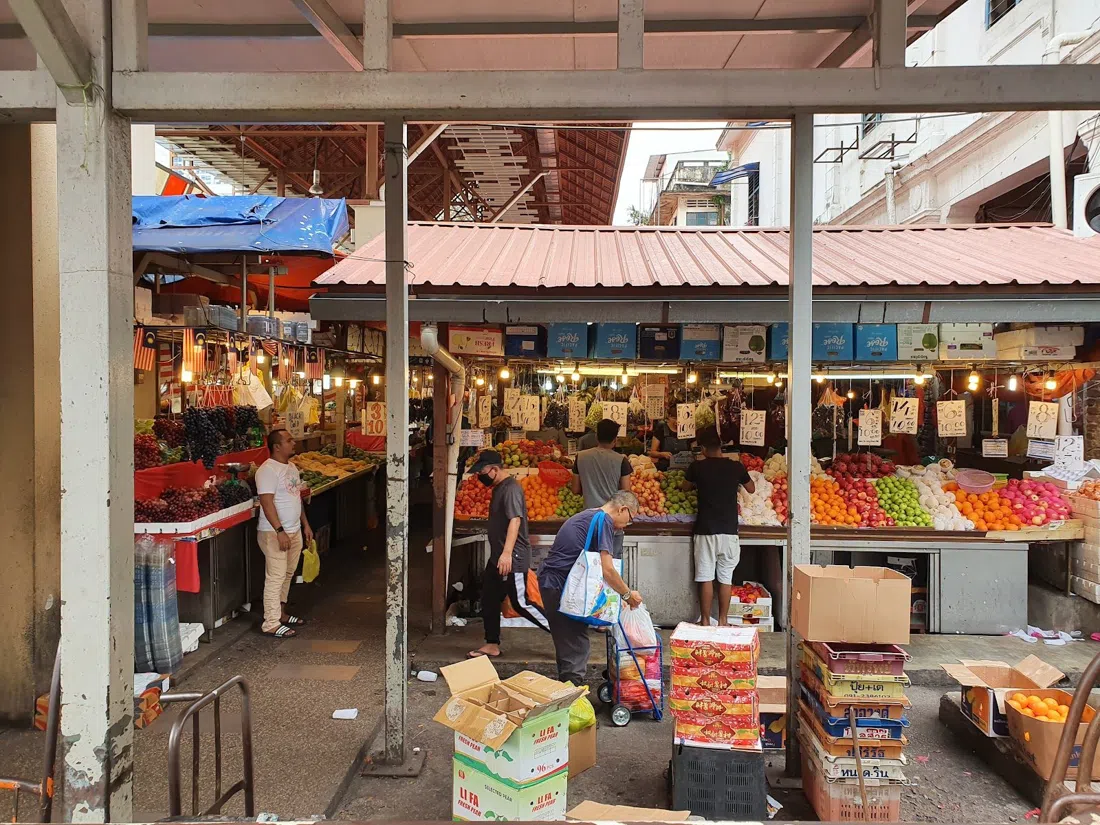
When Ramadan Ends: Jalan Alor and the Year-Round Anchors
The bazaars above vanish the moment Ramadan does, which is exactly why Kuala Lumpur's permanent night-market scene matters for anyone visiting outside the fasting month, or for anyone who wants to keep eating after iftar during it.
Jalan Alor Night Market, five minutes' walk from Bukit Bintang MRT, is the year-round anchor of the whole after-dark food scene and the easiest single addition to a Ramadan-bazaar itinerary because it simply never closes — it runs 24 hours, though the real energy is 6pm to 1am, when the grills come out in force and the street fills with plastic stools and steam. Long communal tables make it the most natural fit on this entire list for a group of six to ten who want to sit down together rather than eat standing up, and at RM10–40 a dish it sits a notch above bazaar pricing because you are paying for cooked-to-order plates rather than bazaar snacks. Go for grilled seafood, char kway teow cooked over live charcoal, and skewered meats, and expect to queue at the two or three stalls everyone else is queuing at too.
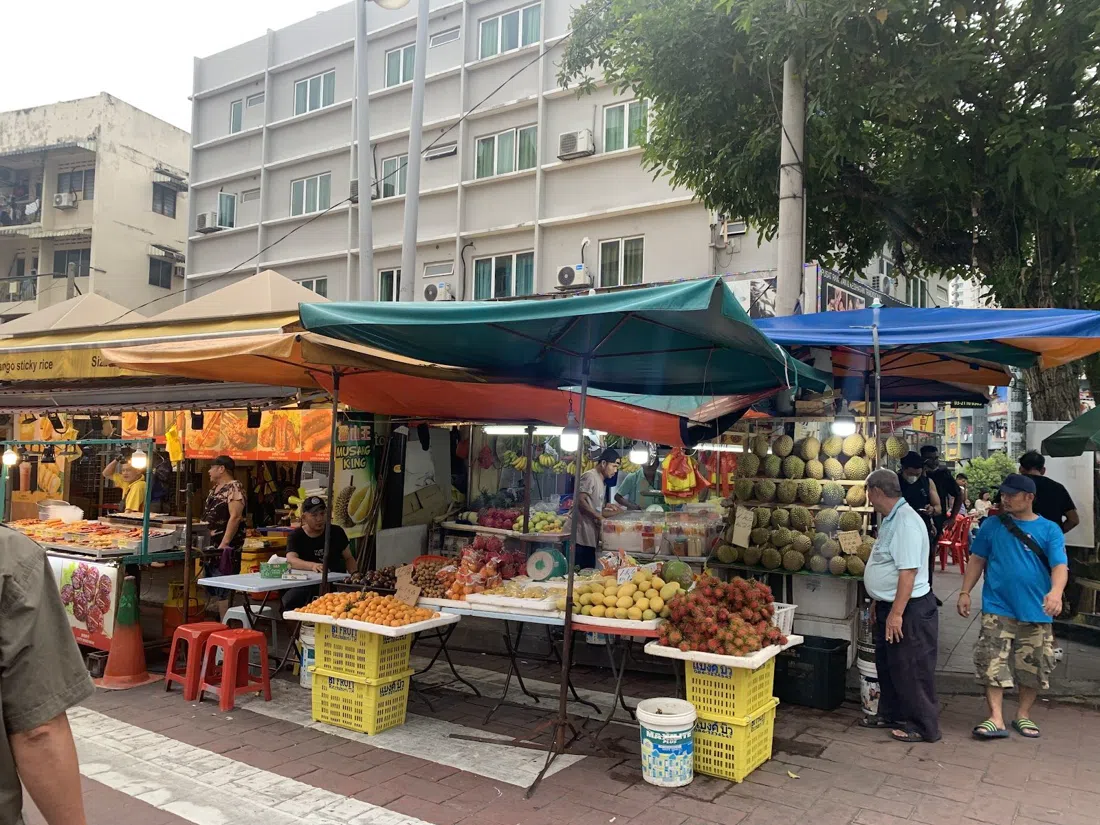
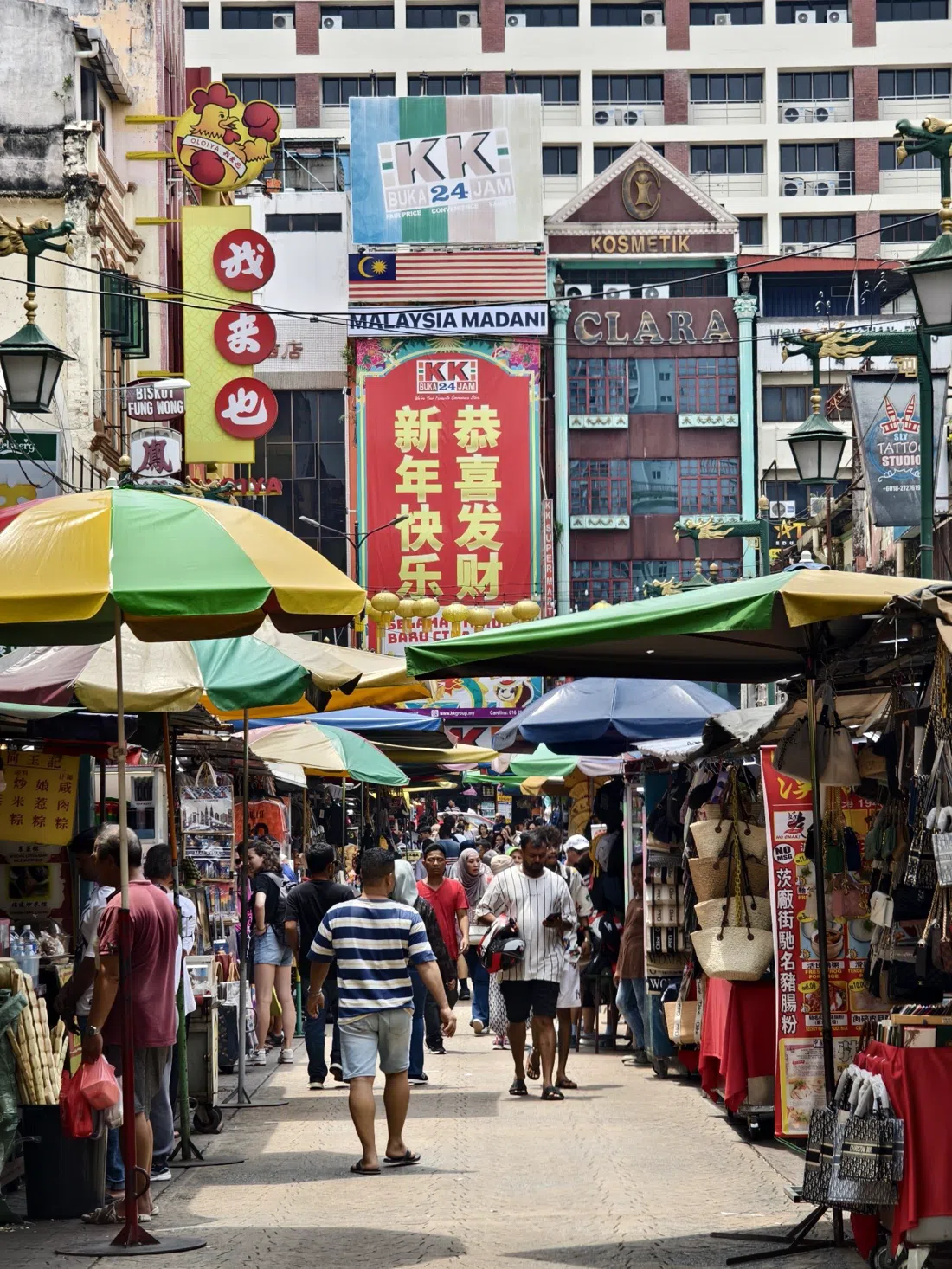
Petaling Street (Chinatown) Night Market has just come through a proper refresh ahead of Visit Malaysia 2026 — a new roof, a repaint, a tidier canopy over the covered, pedestrianised strip — and it is fully open and trading nightly, so do not let an old "under renovation" mention put you off. It still handles groups comfortably under cover, though a handful of stalls near the freshly redone section are still finding their feet post-renovation, so don't be surprised if a stall you read about elsewhere has shifted a few doors down. Expect RM5–30 and genuine haggling on goods, less so on food.
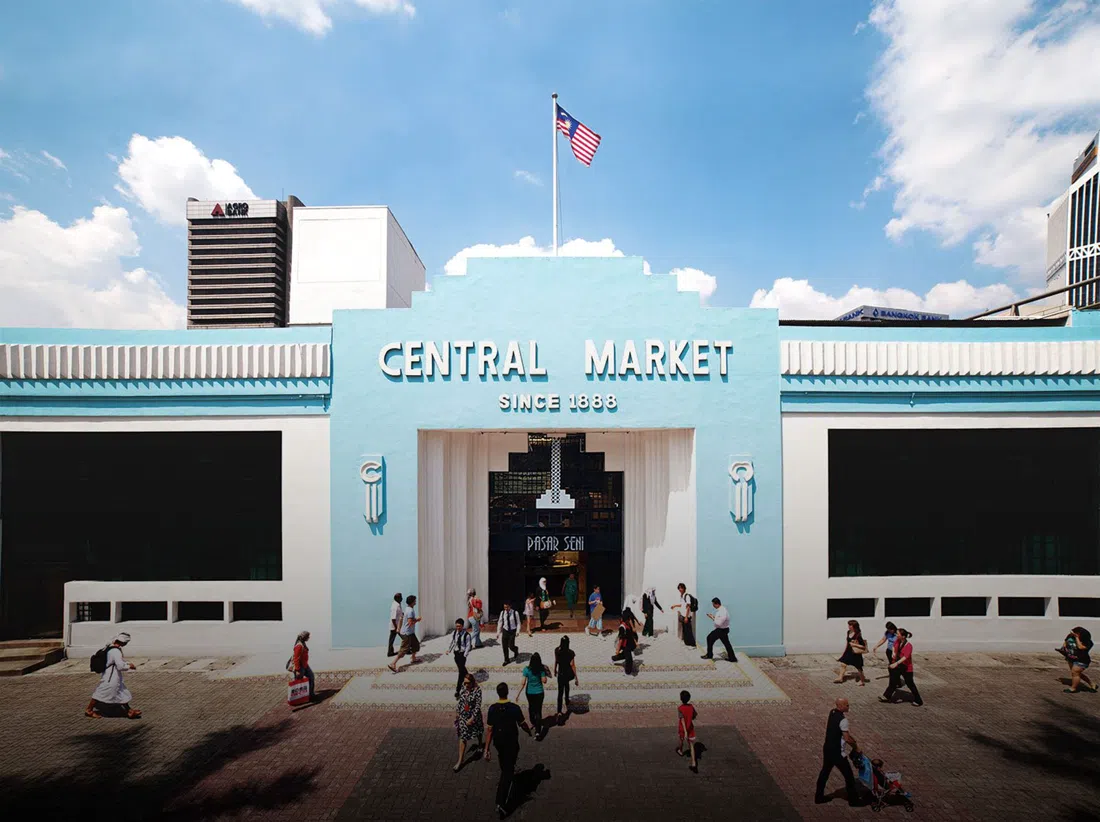
Central Market & Kasturi Walk is the gentlest landing point on this whole list, and worth knowing about specifically for larger or mixed-mobility groups who find the rougher street markets hard going. The main hall is indoor, air-conditioned, and fully accessible, with the open-air Kasturi Walk extension running alongside it for night food; entry is free, and food or craft purchases run RM10–30. It is not a bazaar in the sizzle-and-bargain sense — nobody comes here for the theatre of a hawker calling out prices — but as a covered, comfortable stop between the more chaotic markets, open till 10pm daily and later on the Kasturi Walk side, it earns its place.
The Weekly Pasar Malam Circuit: A Different Bazaar Every Night
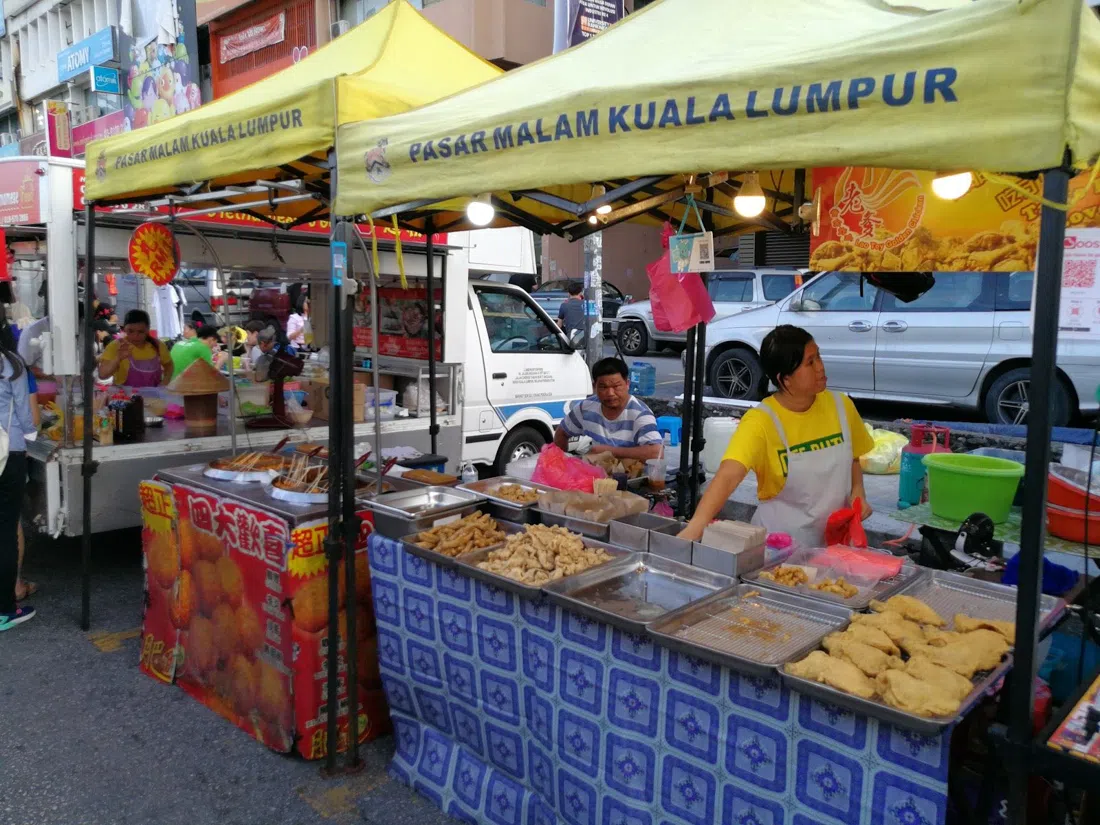
Outside Ramadan, Kuala Lumpur and its immediate suburbs run a rolling weekly circuit of pasar malam, each tied to a fixed night, which means with a little planning a visitor can genuinely find a proper night market running somewhere in the Klang Valley on any evening of the week.
Taman Connaught Night Market, open only on Wednesdays from 5pm to 1am, is by most counts Malaysia's longest pasar malam, and the scale shows in how it handles a crowd — the street is very wide, one of the easiest in the city for a large group to move through together without splitting up and losing each other in the crush. RM5–25 a item, and worth building a Wednesday evening around if your trip lines up with it.
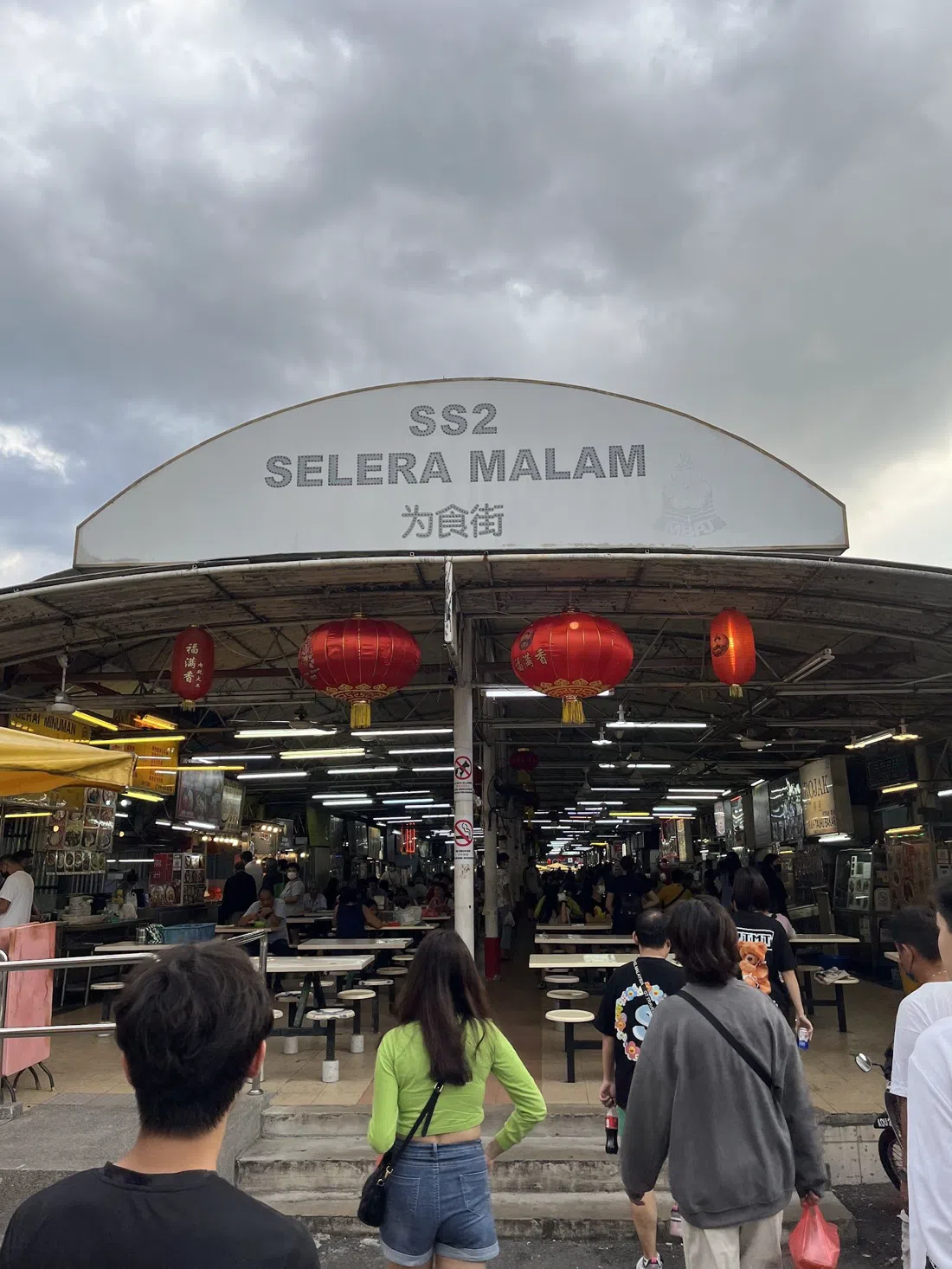
SS2 Pasar Malam, in Petaling Jaya, runs Mondays from around 5pm and is more of a locals'-shopping institution than a spectacle aimed at visitors, which is precisely its appeal for anyone basing themselves in PJ rather than downtown KL. The footpaths are narrower than Connaught's, so it suits groups of four to six comfortably rather than a full party of ten. RM5–20 per item.
Bangsar Sunday Market, from 4.30 to 9pm, is the one entry on this list that flows directly into KL's nightlife scene — the market itself is compact and easy to walk in a group, and it sits close enough to Bangsar's bars that folding a market browse into the start of a night out barely requires a detour. RM5–20 per item.
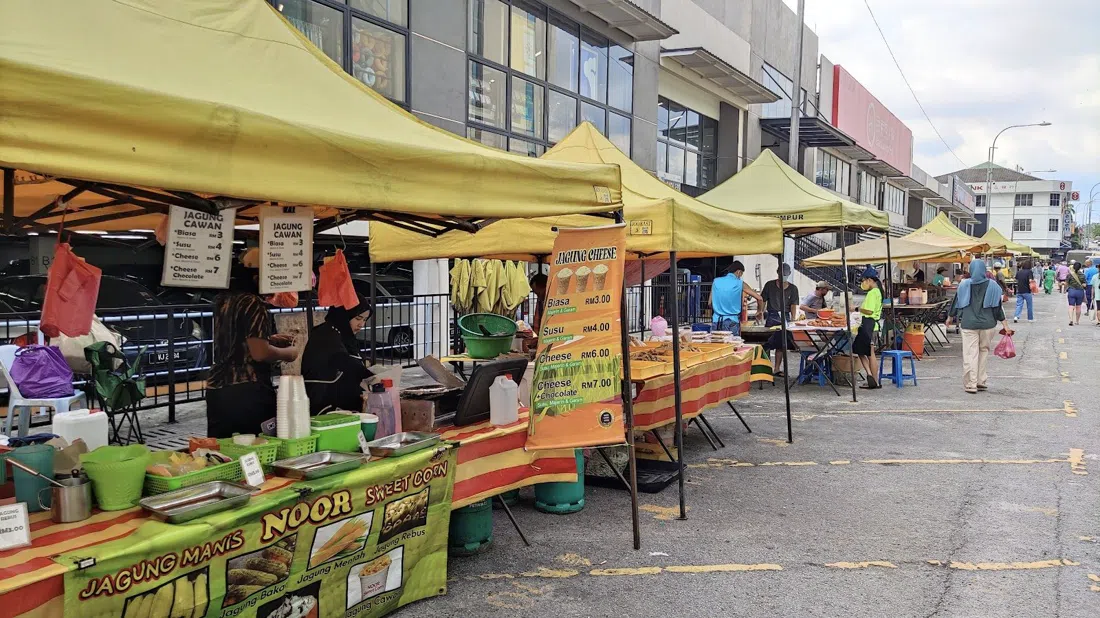
Taman Maluri Night Market, also a Sunday fixture from around 5pm, is the deliberately unpolished, resident-only alternative to Connaught for anyone who wants the same basic experience with none of the visibility — narrow in spots, which makes it a better fit for pairs or small groups than a big party trying to stay together.
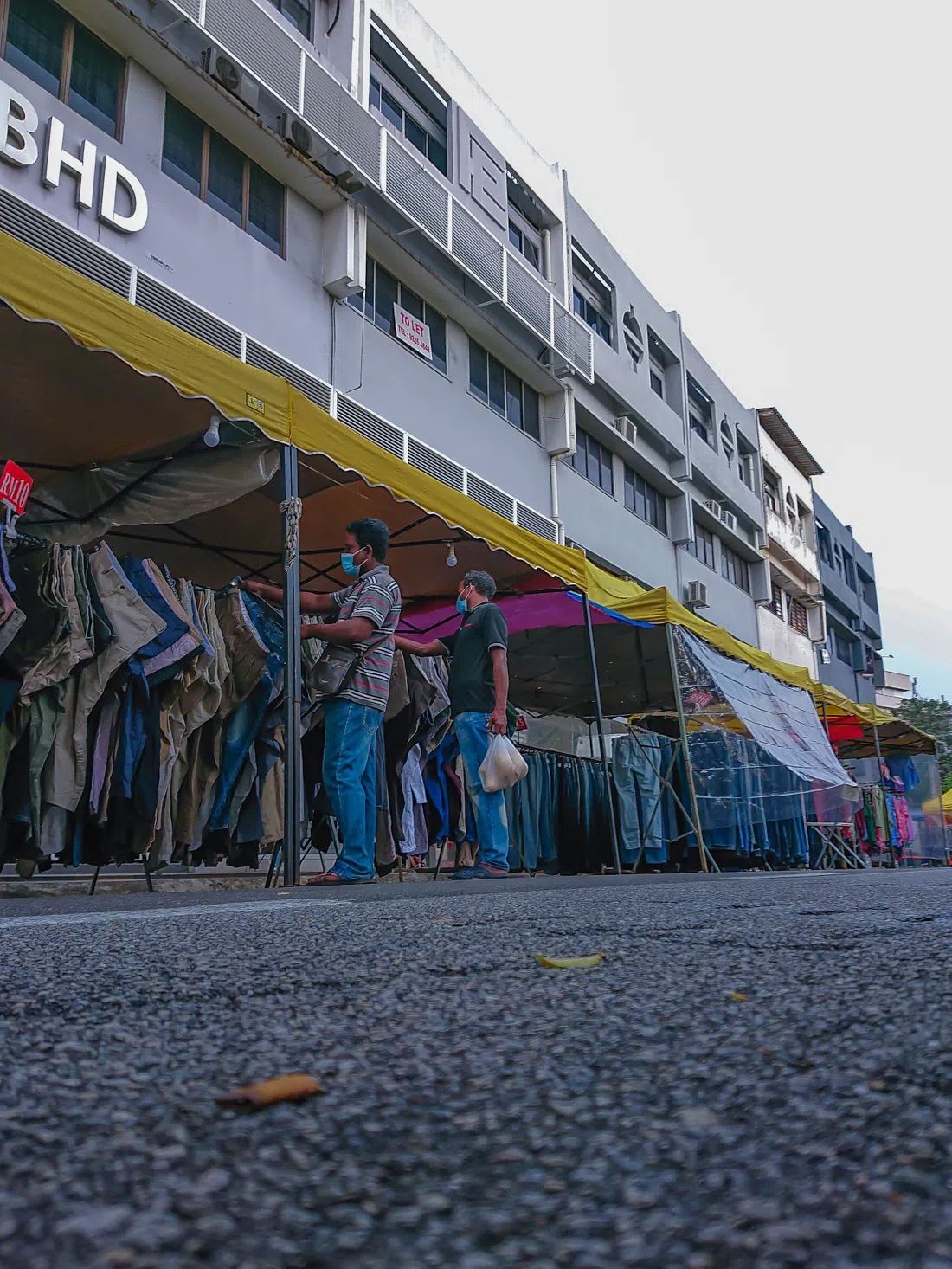
Sri Petaling Night Market rounds the week out on Tuesdays, laid out on an easy grid that keeps groups together without anyone getting separated at a corner stall. Between these five and the Ramadan-season bazaars above, KL genuinely can claim a different market running somewhere within reach on every single night of the week. RM5–20 per item.
Getting There, Paying Up, Timing It Right
Transport: Jalan Alor and Petaling Street sit within easy walking distance of Bukit Bintang and Pasar Seni MRT/LRT stations respectively, and Central Market is a direct stop on its own line — all three are the low-effort options if you don't want to think about parking. Kampung Baru has its own LRT station of the same name. The suburban bazaars and pasar malam — TTDI, Taman Melawati, SS2, Taman Connaught, Taman Maluri, Sri Petaling — are better reached by e-hailing or car, and Taman Melawati specifically is worth the drive precisely because parking is easier there than almost anywhere else on this list.
Cash: every bazaar and pasar malam on this circuit runs cash-only or cash-first. Bring small notes and coins — a RM100 note at a RM5 satay stall at 6.45pm during Ramadan is a good way to make a queue behind you actively unhappy. Central Market's indoor hall is the exception where cards are more commonly accepted.
Timing: for the Ramadan bazaars, arrive between 4.30 and 6pm to actually see and choose your food; by 6.30–7pm, in the run-up to iftar, most of these streets are shoulder-to-shoulder. Outside Ramadan, Jalan Alor is genuinely 24 hours but peaks 6pm–1am, and the weekly pasar malam generally run from late afternoon into the evening on their fixed night.
Budget: figure RM3–15 per snack-sized item at any Ramadan bazaar or pasar malam, and RM10–40 for a proper sit-down dish at Jalan Alor. A grazing dinner for two across three or four bazaar stalls rarely clears RM60 total.
If you're building a longer stay around this circuit, sort accommodation near Bukit Bintang or the old town first — a Kuala Lumpur hotel search turns up options within walking distance of both Jalan Alor and Petaling Street — and use the full Kuala Lumpur guide to plan the rest of the trip around whichever week of 2026 you land in.