Kuala Lumpur-nummeret
Half a day in Brickfields, Kuala Lumpur's Little India
In one morning Brickfields takes you past temples from three communities to a banana leaf lunch and up to a hill temple above the city, and the timings and door rules decide how the walk goes.

Av Lena BrandtThe city between the towers

A 35ft fountain of bathing elephants, trunks raised to Airavata, stands in the middle of Jalan Tun Sambanthan. Walking the strip around it takes most visitors two to four hours, and the street itself costs nothing. The temples that give Brickfields its shape are one block off it, on Jalan Scott and Jalan Berhala.
What you see on Jalan Tun Sambanthan
Little India Brickfields (Jalan Tun Sambanthan) is a public street rather than a gated attraction. The coloured paving and ornate lamp posts date from the 2010 streetscape, and a carved arch flanks the fountain. Shopkeepers hang saris and marigold garlands at head height under the five-foot-ways, and the shoplots behind them hold sari shops, goldsmiths, spice grocers and banana-leaf eateries.
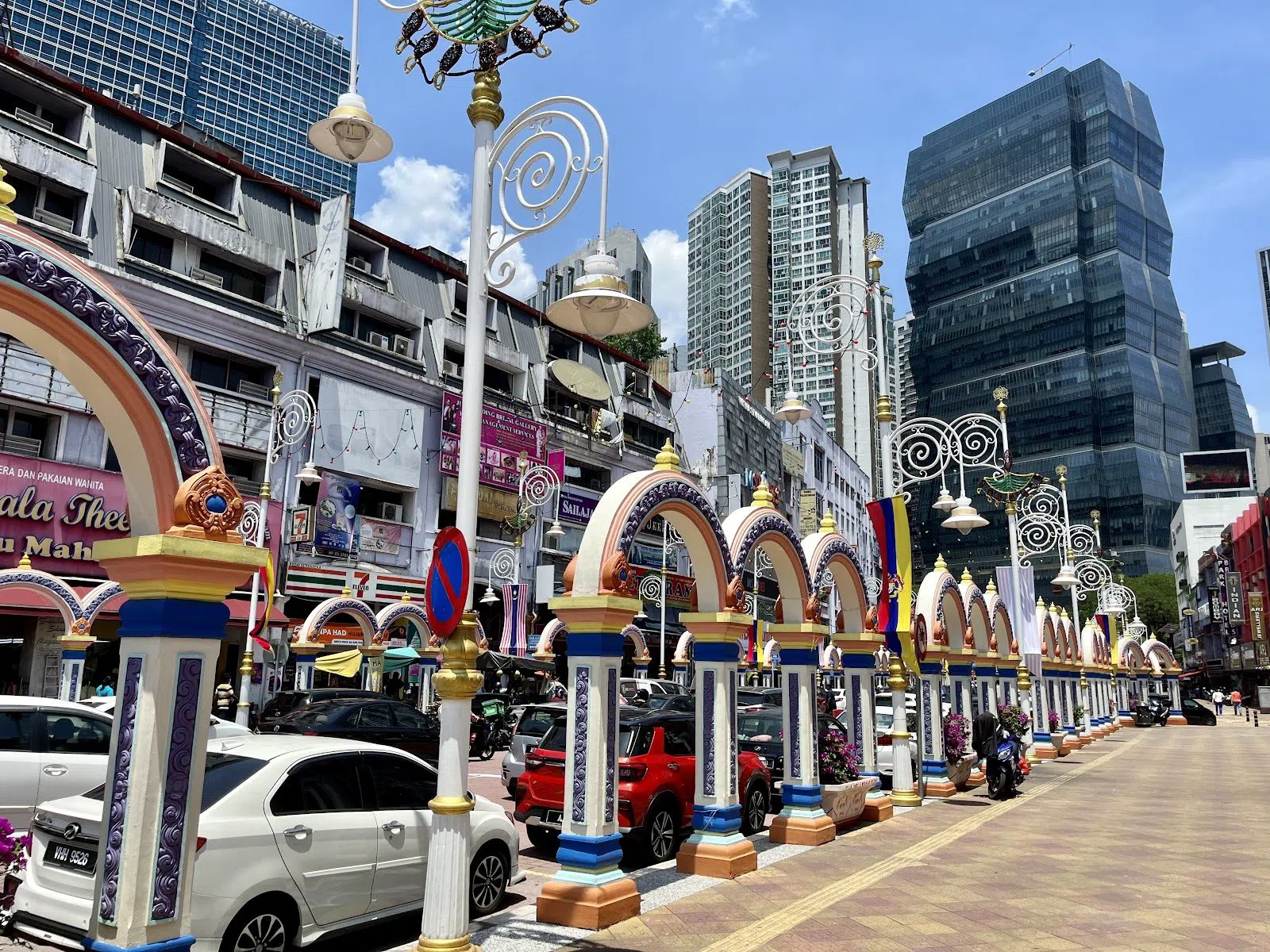
Guided groups form at the arch end near Jalan Travers, and walking groups of any size are normal here. The whole strip is free to walk at any hour.
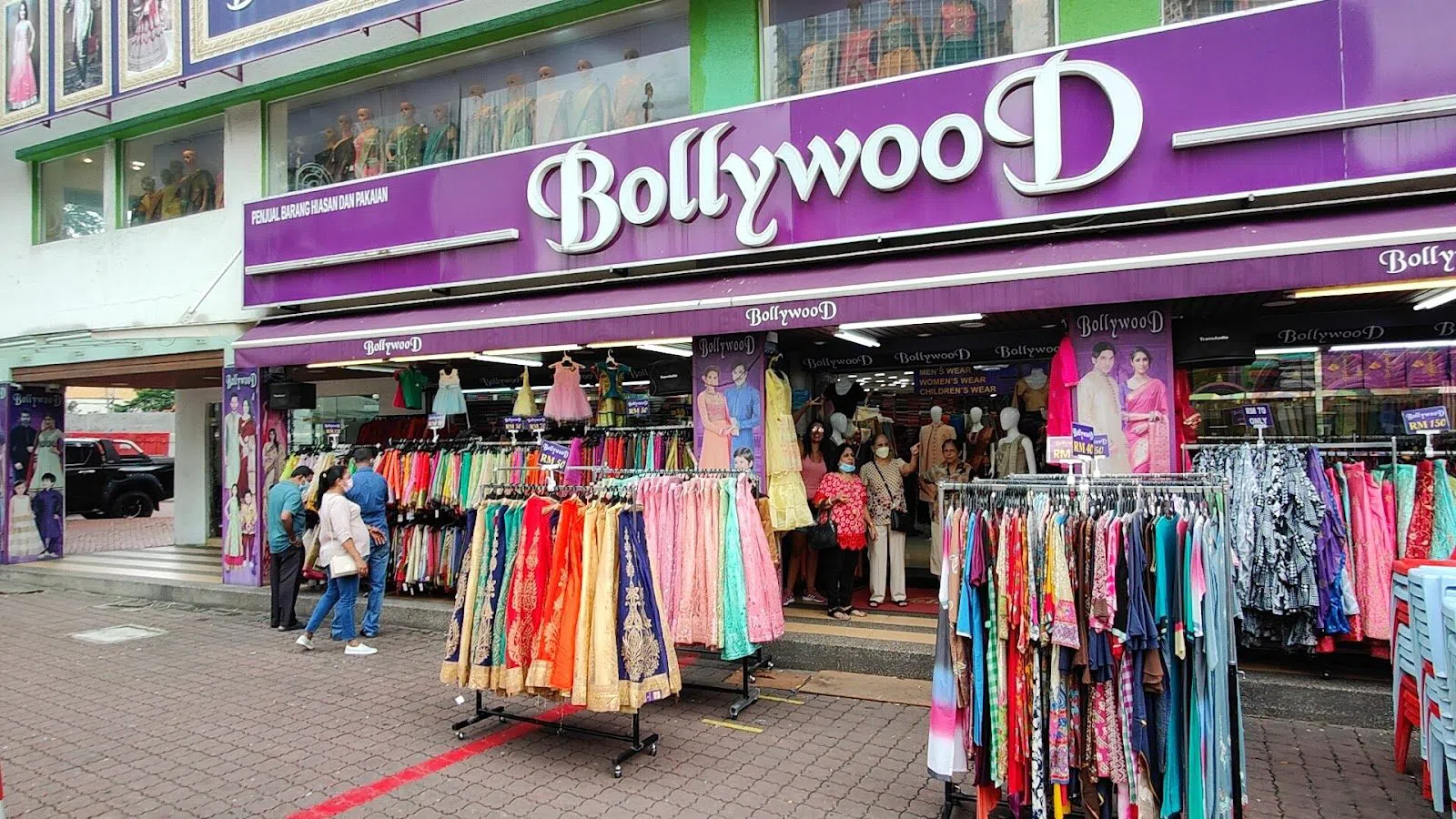
Bollywood Fashion & Fashion Jewellery (250 Jalan Tun Sambanthan) is where I send anyone who wants the fabric explained. The narrow double-frontage shop has floor-to-ceiling shelves of folded silk saris stacked in blocks of colour, bridal lehengas on mannequins in the window, and trays of gilt costume jewellery under glass. Ask and the staff will drape and demonstrate a sari. They are used to visitors who only want to understand the cloth.
Planlegg reisen til Kuala Lumpur
Oppdaterte priser fra våre bookingpartnere.
Gratis avbestilling på mange rom. Vi kan motta provisjon når du bestiller.
The temples around Jalan Scott and Jalan Berhala
Sri Kandaswamy Kovil (Jalan Scott) was founded in 1890 and consecrated in 1909, and it is the most important building in Brickfields. Its gopuram, in the Sri Lankan Tamil style, rises in tiers of densely packed polychrome deity figures over a narrow lot. The forecourt is bare granite, with shoe racks at the edge.

Photography is strictly prohibited inside the grounds, so brief anyone carrying a camera before you walk in. Shoes come off, shoulders and knees stay covered, and groups go in outside pooja times.

Sri Sakthi Karpaga Vinayagar Temple is a two-minute walk from the Maha Vihara, up a short flight of steps into an open colonnaded prayer gallery. The 5.1ft Valampuri Ganesha inside was carved from a single granite block, and oil lamps and coconut offerings sit at the threshold. It is quieter and more approachable than Kandaswamy. The gallery opens 7 a.m. to 12 p.m. and 7 p.m. to 9.30 p.m., so an afternoon walk finds it shut.
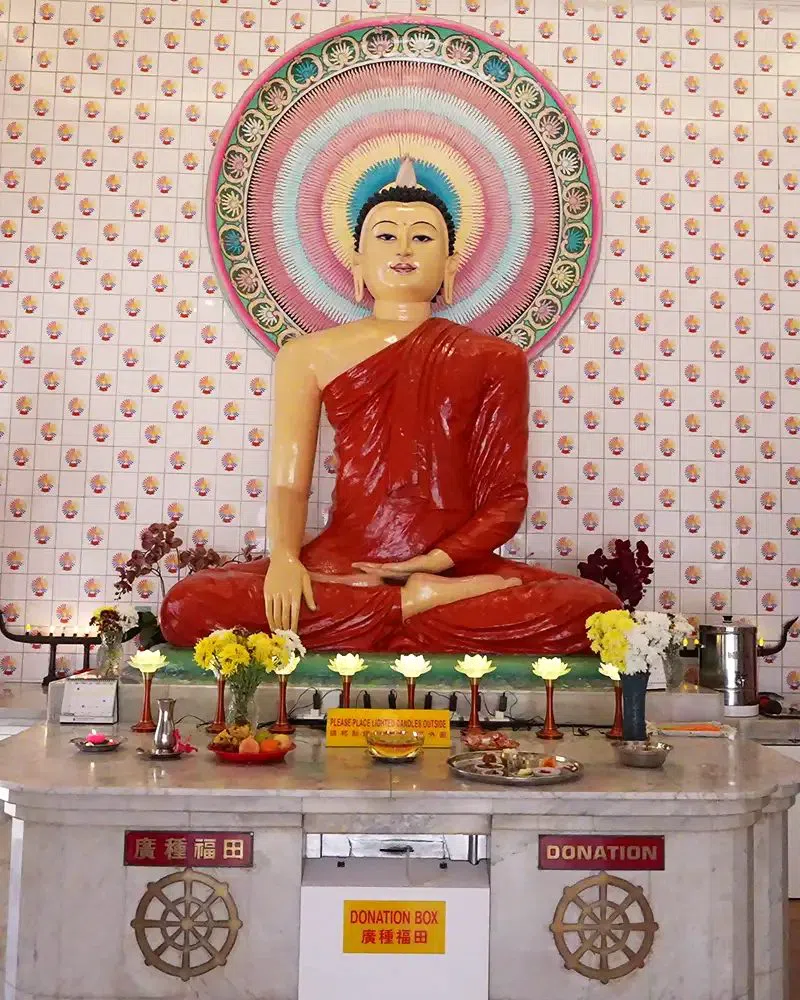
Buddhist Maha Vihara (123 Jalan Berhala) was founded in 1894 by the Sinhalese community and is the calmest stop on the walk. A white Sinhalese-style stupa stands beside an open shrine hall of seated Buddha images. A bodhi tree carries prayer flags, and tall frangipani grow over a swept courtyard. It is open all day, 8 a.m. to 9 p.m. There is a donation box instead of a gate, shoes come off and dress stays modest. During Wesak, the float procession through Brickfields makes the streets around it impassable.
Sam Kow Tong Temple (Jalan Thambipillay) was founded in 1916 by the Heng Hua clan association, and its name, Hall of Three Teachings, is a reminder that Brickfields is Chinese and Malay as well as Indian. The Hokkien-style swallowtail roof curves sharply at the ridgelines and carries coloured ceramic dragon mosaics and orbs above a small red-pillared porch wedged into a shoplot row. This is a working clan temple, so send a group in a few people at a time.

Vivekananda Ashram and Wei-Ling Gallery
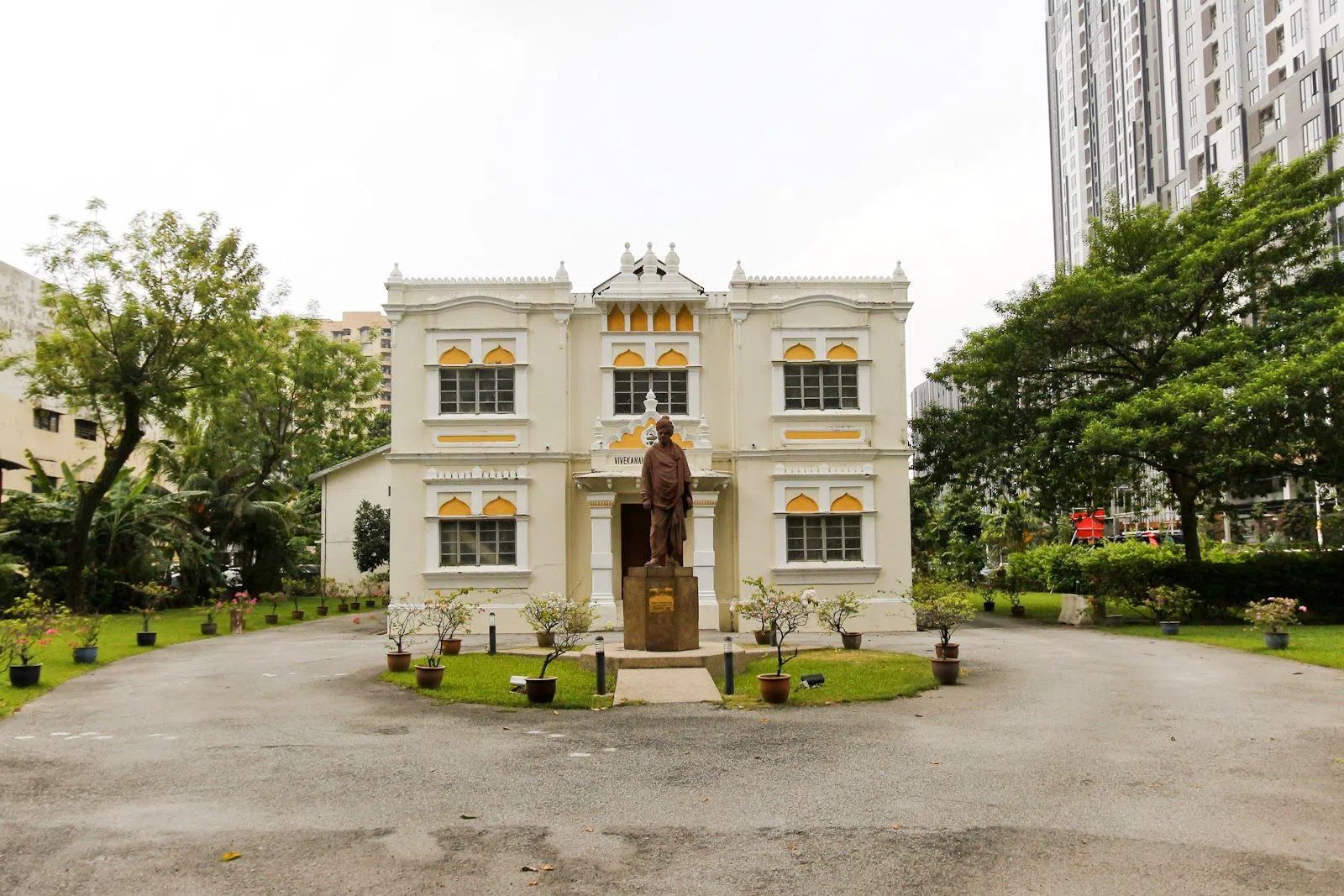
Vivekananda Ashram is a whitewashed single-storey hall from 1904, with Mughal-style arched embellishments, a deep verandah and a bronze statue of Swami Vivekananda on the lawn. High-rise construction cranes loom directly behind it. The building is gazetted Category 1 heritage on commercially zoned land, with a residential tower approved around it, which is reason enough to see it now. Visitors get the exterior and the lawn. The interior is in use for classes and prayer meetings, access inside is not guaranteed, and a call ahead beats walking in.
Wei-Ling Gallery (No. 8 Jalan Scott) occupies a fire-damaged pre-war shophouse restored by Jimmy CS Lim: raw brick, exposed timber trusses and a glass-floored upper level above white walls hung with large Malaysian canvases. Entry is free, and small groups are fine during gallery hours. The gallery has staged more than 230 exhibitions and has a full 2026 programme. It is why I treat Brickfields as a working arts district and not only a food street.

Eating on a banana leaf
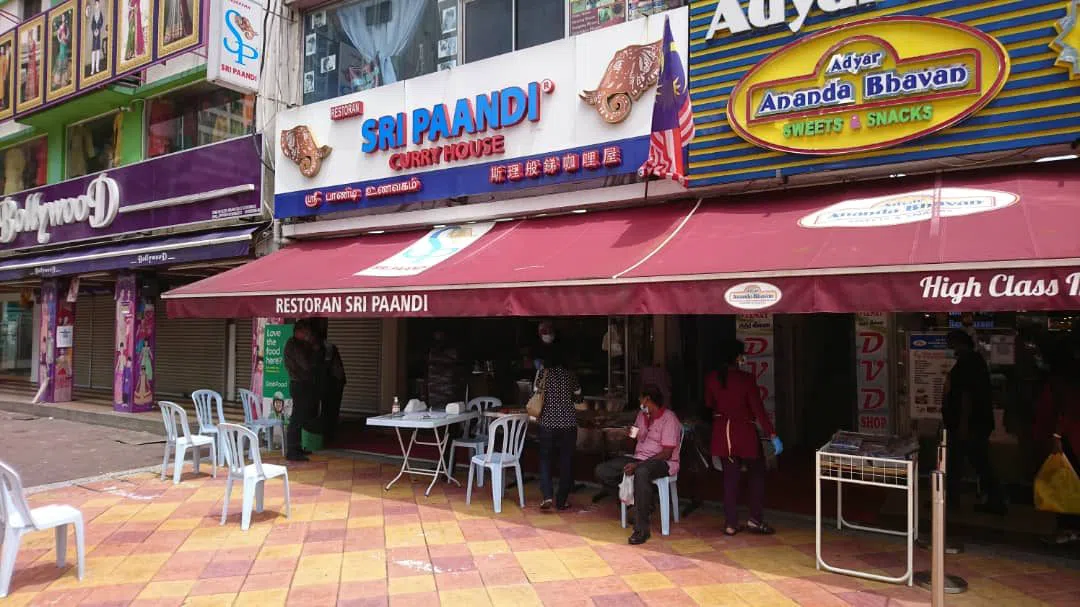
Restoran Sri Paandi (254 Jalan Tun Sambanthan) opens 6 a.m. to 4 a.m., which absorbs both early and late walks. The dosai griddle is visible from the pavement, and breakfast is crispy garing thosai with filter coffee. Inside are marble-top tables under strip lighting, a self-service banana leaf counter and glasses of frothed teh tarik. Start a Brickfields half-day here.
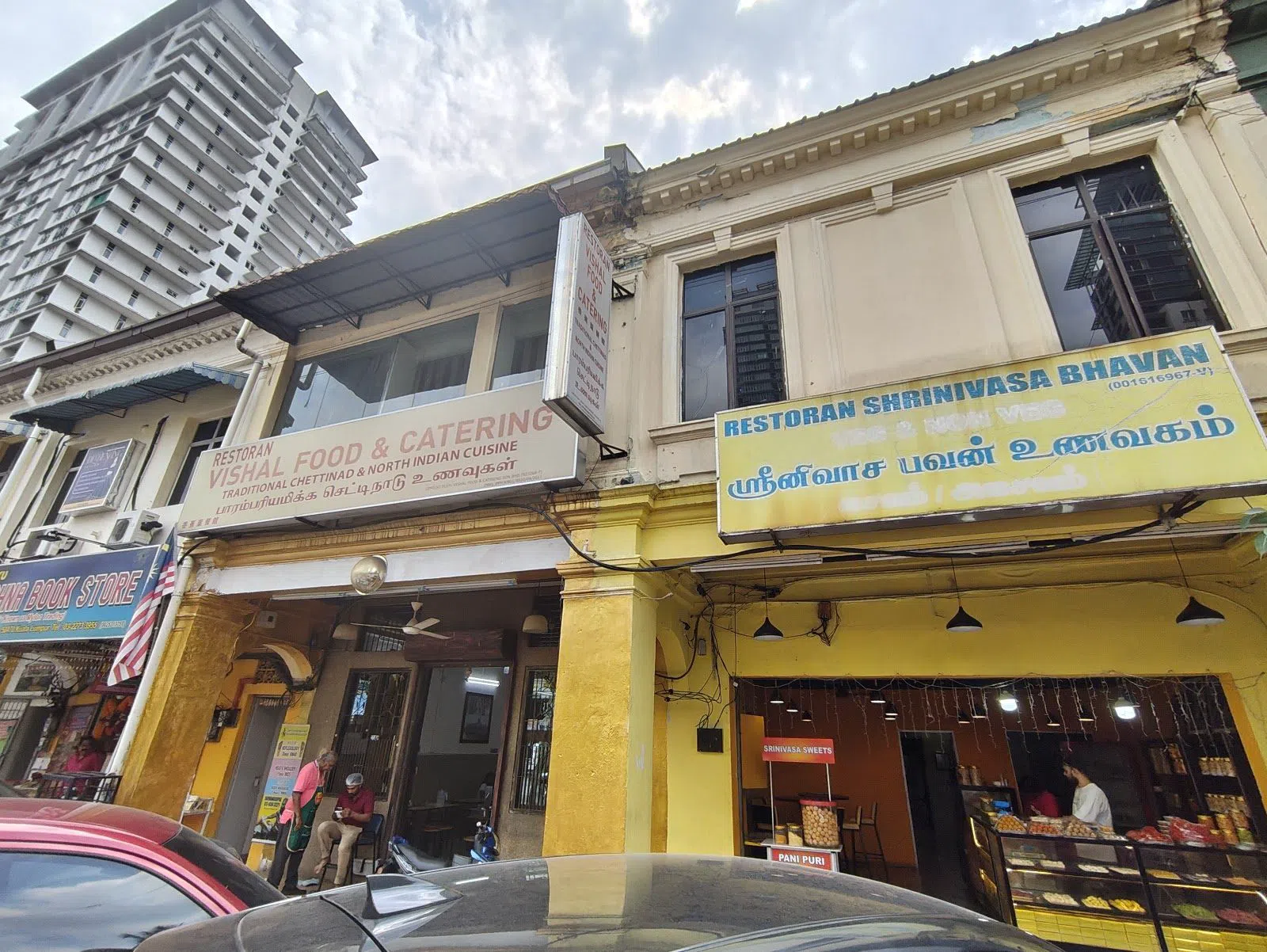
Vishal Food & Catering (22 Jalan Scott) has cooked Chettinad food since 2004. Servers walk the aisle with steel buckets, ladling sambar and rasam onto fresh banana leaves under ceiling fans, with kitchen steam at the back of the corner shoplot. Banana leaf starts at RM7.50 and a full meal comes in under RM20. Tables turn fast.
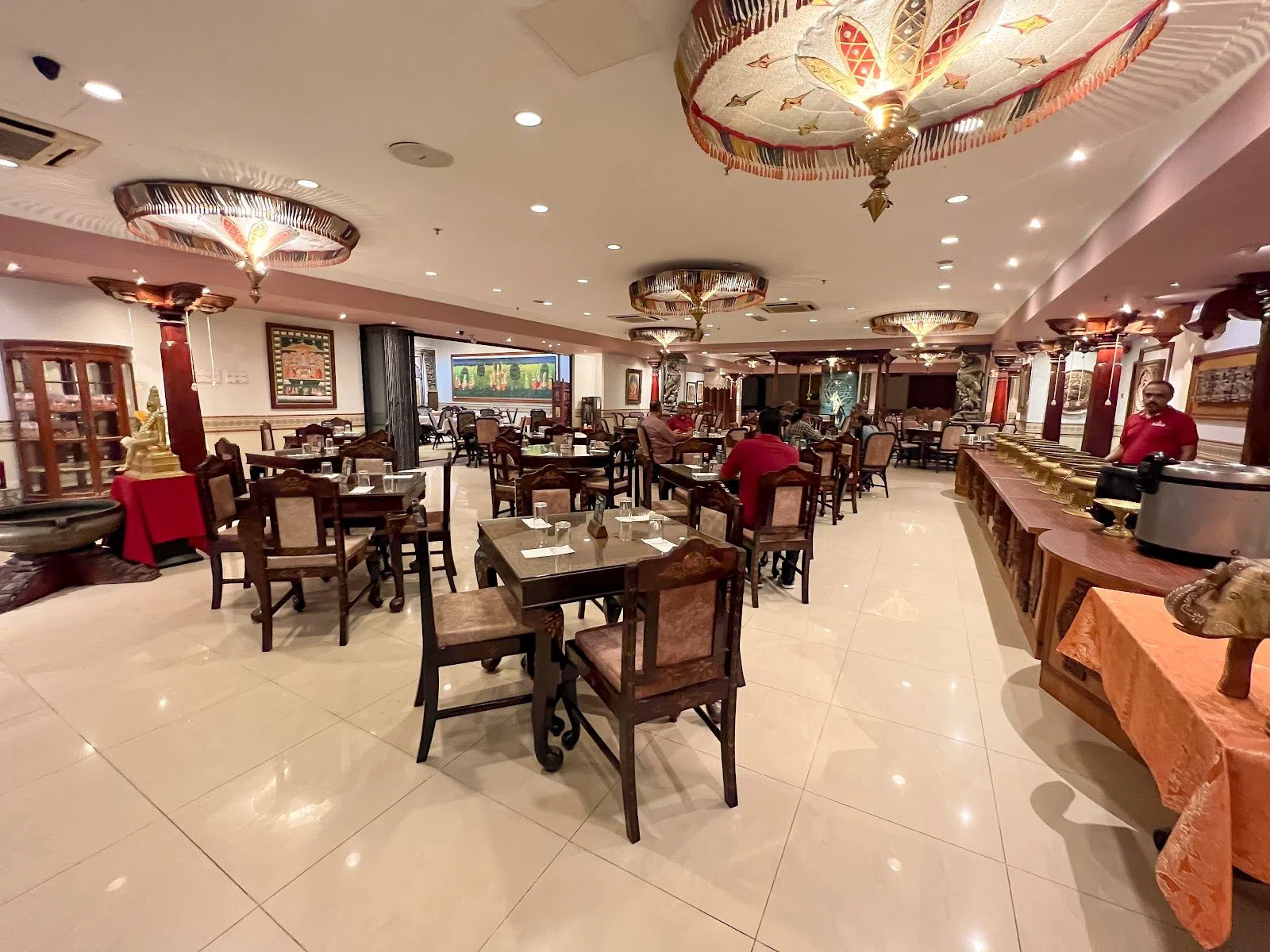
Annalakshmi (114 to 116 Jalan Berhala) has been volunteer-run since 1984 and sets no fixed prices. You eat as you wish and give what you feel, which is worth explaining to visitors before they sit down. Brass serving vessels line a long counter inside the five-storey Temple of Fine Arts, where saree-clad volunteers plate the food and the windows show the Klang River and the Maha Vihara roofline. Lunch runs 11.30 a.m. to 3 p.m. and dinner 6.30 p.m. to 10 p.m. It is the easiest sit-down on the Jalan Berhala side.
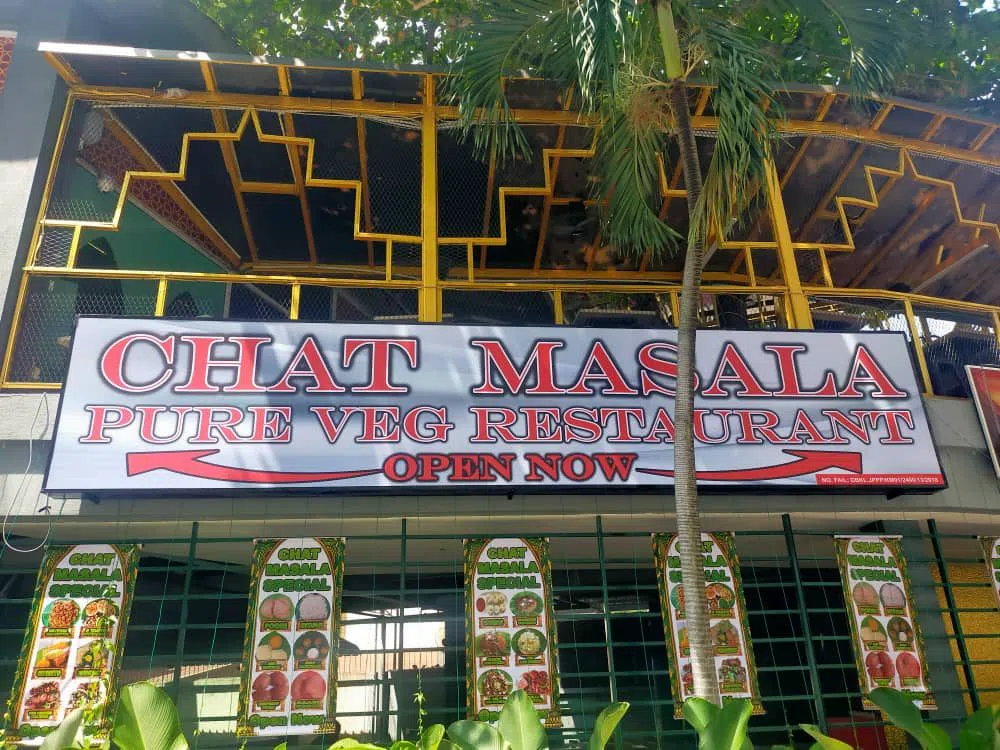
Chat Masala (Jalan Tun Sambanthan) is 100% vegetarian, including mock-meat versions of Malaysian and Chinese dishes. Thali sets come in single figures, served on stainless trays with six compartments of kootu, poriyal and rasam, with papadam stacked on the counter and Bru filter coffee pulled into steel tumblers. Vegetarian and Jain travellers have the clearest choice here. The shop takes no bookings.
Restoran Sin Kee (194 Jalan Tun Sambanthan) has traded since 1968 and moved into this shoplot in 1999, when the land went to KL Sentral. Plates of Hainanese chicken chop and steamed mun fan rice land on laminate tables under a bare-bulb ceiling, and the signboard outside is hand-written. The room is cramped and family-run, so bring pairs and small groups only. Service splits between lunch and dinner.

Muzium Negara for the background
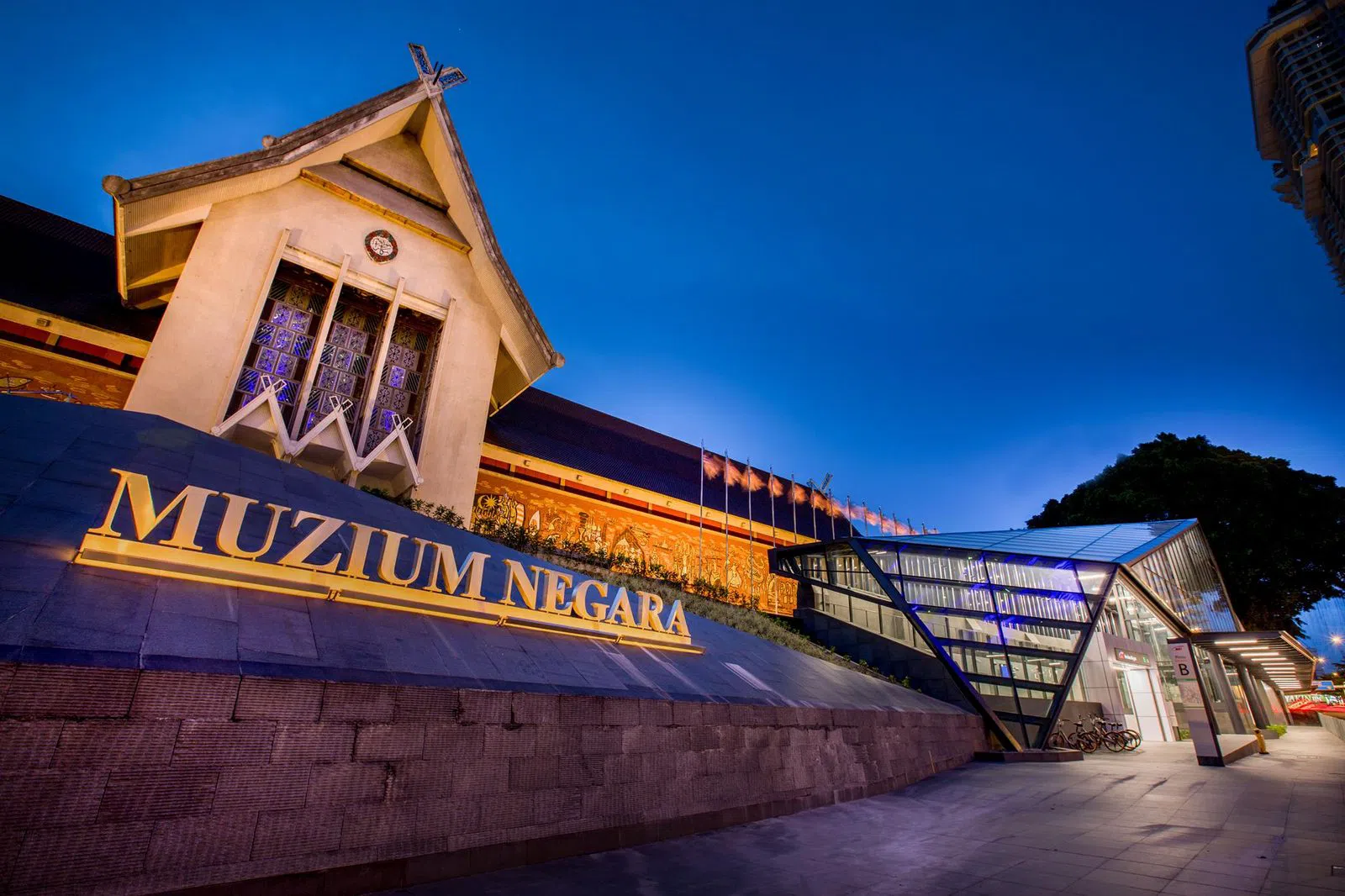
Muzium Negara (National Museum of Malaysia) is a short walk from KL Sentral, under a Minangkabau-style peaked roof with two huge Italian glass mosaic murals flanking the entrance. A Malayan railway locomotive and a timber house stand in the forecourt. It opens daily 9 a.m. to 5 p.m., last tickets at 4.30 p.m., and entry is RM5 for non-Malaysians. Volunteer guides run tours in English on set mornings. The galleries explain how Tamil, Sinhalese and Hakka communities came to be in Brickfields at all, which is the cheapest context you can buy before the walk.
Thean Hou Temple and Batu Caves as add-ons
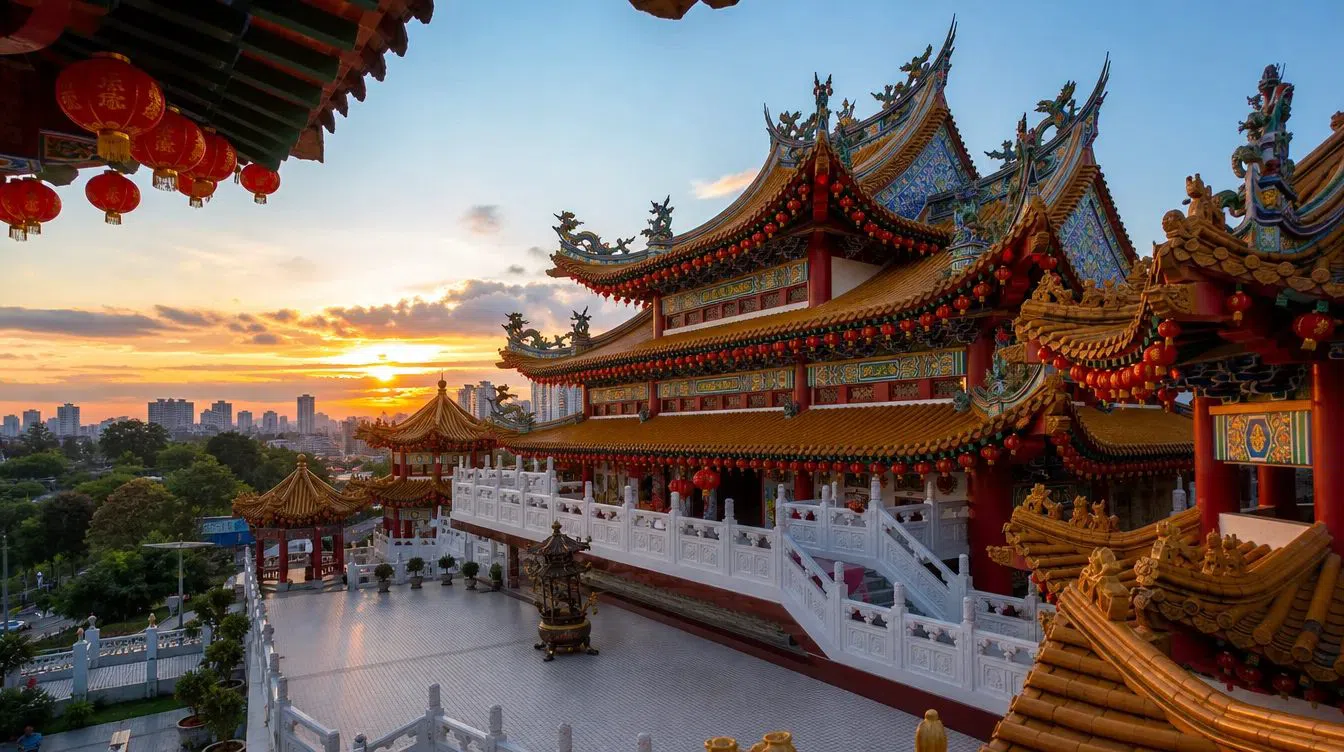
Thean Hou Temple is what turns the walk into a half day. It stands on the crest of Robson Heights, a steep ten-minute drive up the hill: six tiers of red and gold with double-eaved roofs and dragon finials, and hundreds of red paper lanterns strung across the upper terrace. The photographs come from there, over a balustrade that looks out to the KL skyline and the Klang valley. Entry is free, coaches park on site, and modest dress is expected.
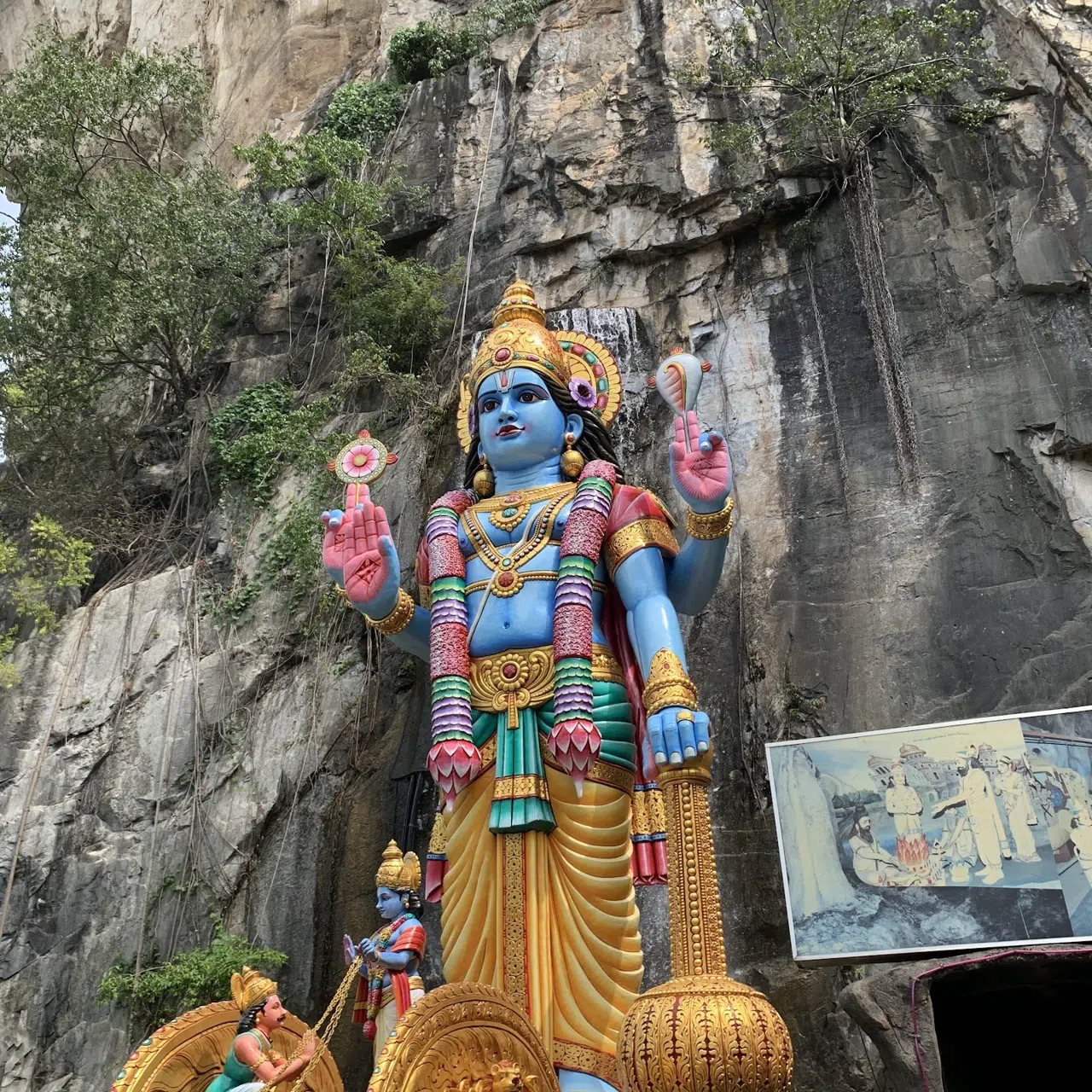
Batu Caves is 13km north of Brickfields, open daily 6 a.m. to 9 p.m., and it runs at mass-market capacity. A 42.7m gold statue of Lord Murugan stands at the foot of the rainbow-painted 272-step staircase, with the limestone massif above, long-tailed macaques on the handrails and a daylight shaft opening into the Temple Cave. The Temple Cave is free, Ramayana Cave costs RM15, and sarongs for bare shoulders or knees are RM10 to RM15 at the gate. Keep it as the add-on and let Brickfields stay the main event.

Walking it yourself or taking a guide
Nothing on the strip charges admission, and you can walk the entire Little India section without booking anything. A guide buys the car. The climb to Thean Hou and the run north to Batu Caves are the parts a walk cannot reach, and a driver also means someone briefing a group on the camera rule and the dress code before they reach a door. Guided half-days here run seven days a week and book up steadily, so reserve the date you want in advance.
Best time to go
Start at breakfast. The morning gives you the Vinayagar gallery while it is open, the street before the lunch trade, and the Batu Caves staircase before the heat. Those steps are steep and unshaded by mid-morning. At Vishal the lunch queue builds from 12.30 p.m., so arrive before noon or after 2 p.m.
Is it worth a half day
It suits a visitor who wants a street that still works as a street, with temples from three communities within a few blocks of each other. It asks for covered shoulders and knees, shoes off at the temple doors, and a camera left in a bag at Kandaswamy.
Planning notes
Annalakshmi and Sin Kee close on Mondays, and Wei-Ling Gallery closes on Sundays and Mondays. Call the Vivekananda Ashram before counting on anything beyond its lawn, and book a guided half-day ahead of the day you want it.
See the Kuala Lumpur guide and the Kuala Lumpur hotel search.
Før du drar
How long does a Brickfields walk take?
Most visitors cover the Jalan Tun Sambanthan strip, the temples and a meal in two to four hours. Add Thean Hou Temple, a steep ten-minute drive up Robson Heights, or Batu Caves 13km north, and you have a half day.
Can I take photographs in the temples?
Not at Sri Kandaswamy Kovil, which bans photography anywhere inside the grounds. There and at the Buddhist Maha Vihara you take your shoes off and keep shoulders and knees covered, and groups should come to Sri Kandaswamy Kovil outside pooja times.
What does Brickfields cost at the door compared with a guided tour?
Walking the street costs nothing. Muzium Negara is RM5 for non-Malaysians, banana leaf at Vishal Food & Catering starts at RM7.50 and a full meal comes in under RM20, and at Batu Caves the Temple Cave is free while Ramayana Cave is RM15. A guided half day pays for the car up the hill, the 13km trip north and the guide, and those tours run seven days a week.
What time of day should I go?
Go in the morning. Sri Sakthi Karpaga Vinayagar Temple opens 7 a.m. to 12 p.m. and again 7 p.m. to 9.30 p.m., so afternoon walkers find it shut. The lunch queue at Vishal builds from 12.30 p.m., and the 272 steps at Batu Caves are steep and unshaded by mid-morning. Restoran Sri Paandi opens at 6 a.m. for thosai and filter coffee.
Which places are closed on which days?
Annalakshmi and Restoran Sin Kee close on Mondays, and Restoran Sin Kee also splits service between lunch and dinner. Wei-Ling Gallery closes on Sundays and Mondays. The Buddhist Maha Vihara is open all day, 8 a.m. to 9 p.m., although the Wesak float procession makes Brickfields impassable.