
Kuala Lumpur
Kuala Lumpur is a city defined by its vertical ambitions and sensory density.
Guests & rooms
The Kuala Lumpur guide
An insider’s read on Kuala Lumpur
KKuala Lumpur is a city defined by its vertical ambitions and sensory density.
Born as a chaotic 19th-century tin-mining settlement at the muddy confluence of the Klang and Gombak rivers, the city quickly evolved under British colonial rule and waves of Chinese and Indian migration. Today, this multi-ethnic foundation defines its character. It is a complex, layered capital where Malay, Chinese, and Indian enclaves maintain their distinct culinary and cultural identities while sharing the same fast-paced urban space.

PLATE IKuala Lumpur, Malaysia

Guides & ideas
The Kuala Lumpur reading list
Hand-written guides from our editors — itineraries, the best of after dark, where to eat, and what’s genuinely worth your time.
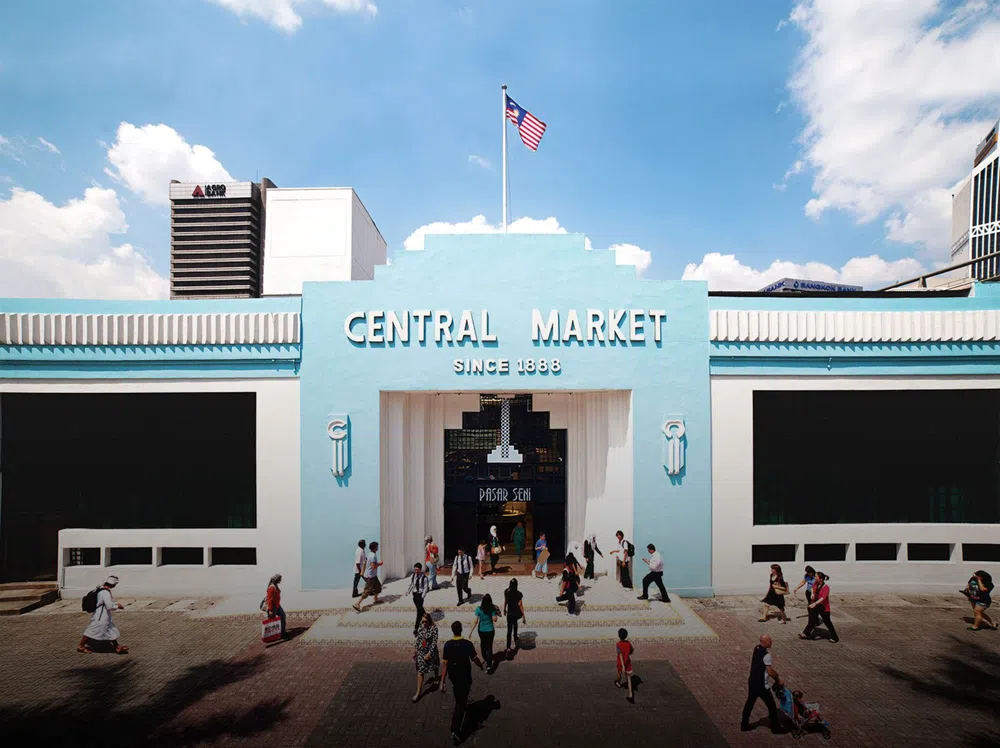
Hunting Old Malaya in Kuala Lumpur's Pasar Seni Before Noon
A Saturday treasure hunt through Kuala Lumpur's antique trade, from a 4am thieves' market to the last crockery shop of the kopitiam era, and it is all over by lunch.
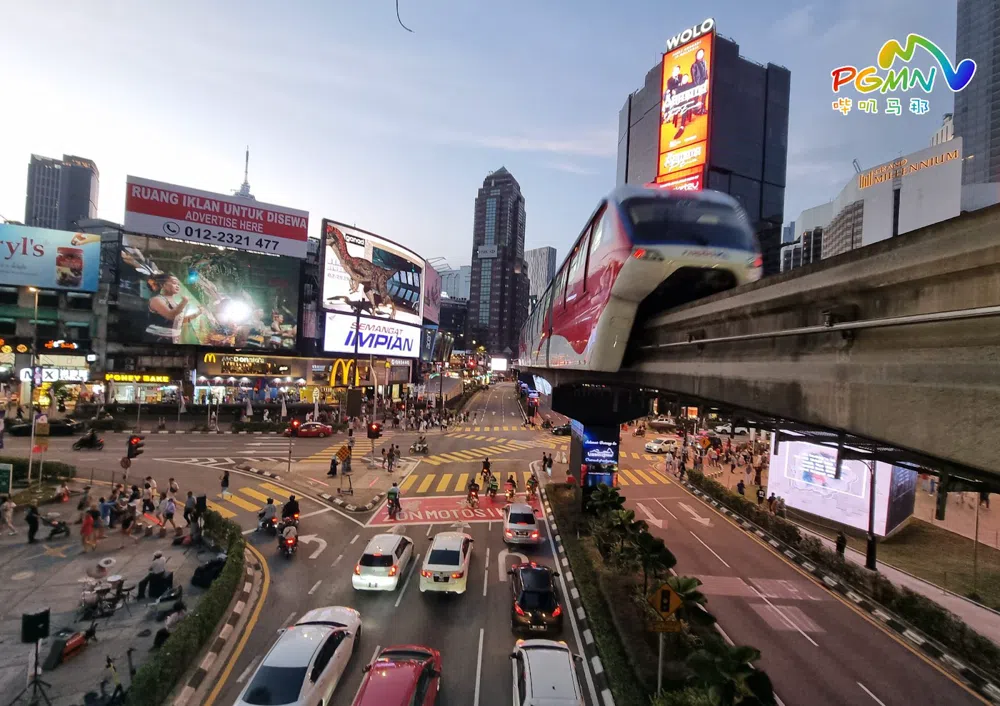
Eleven Stops Along the Kuala Lumpur Monorail
Eight and a half kilometres at rooftop height, from Brickfields banana leaf to the Titiwangsa lakeshore: how to ride Kuala Lumpur's monorail, and which stops are worth getting off for.
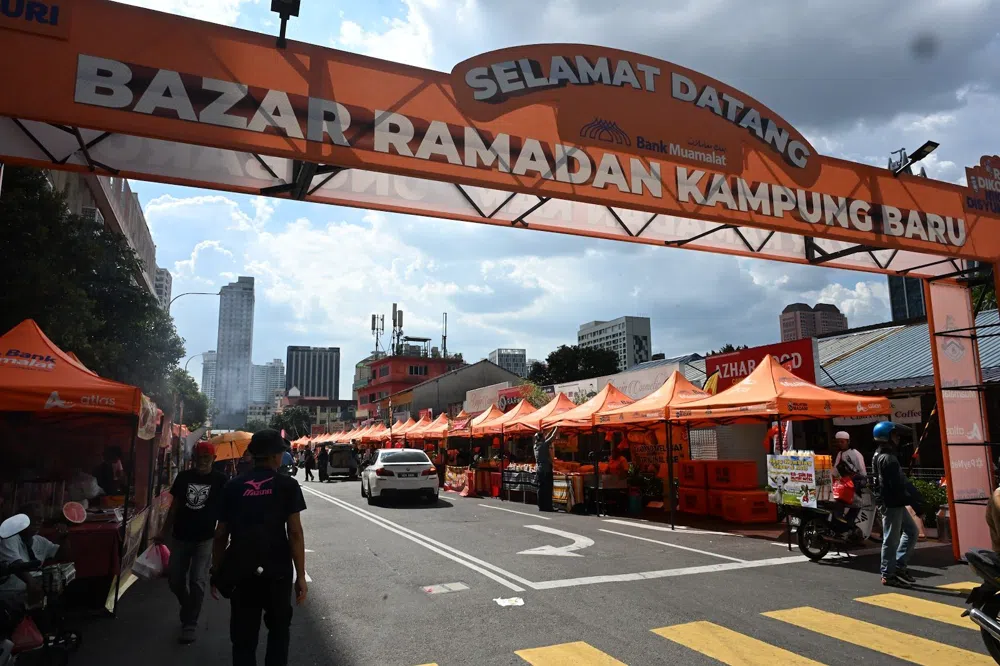
Night Markets: The Ramadan Bazaar Circuit and Its After-Dark Energy
When the sun drops over Kuala Lumpur, a month-long circuit of pop-up bazaars turns entire streets into open kitchens — here is exactly which ones to hit, when, and what a plate should cost.
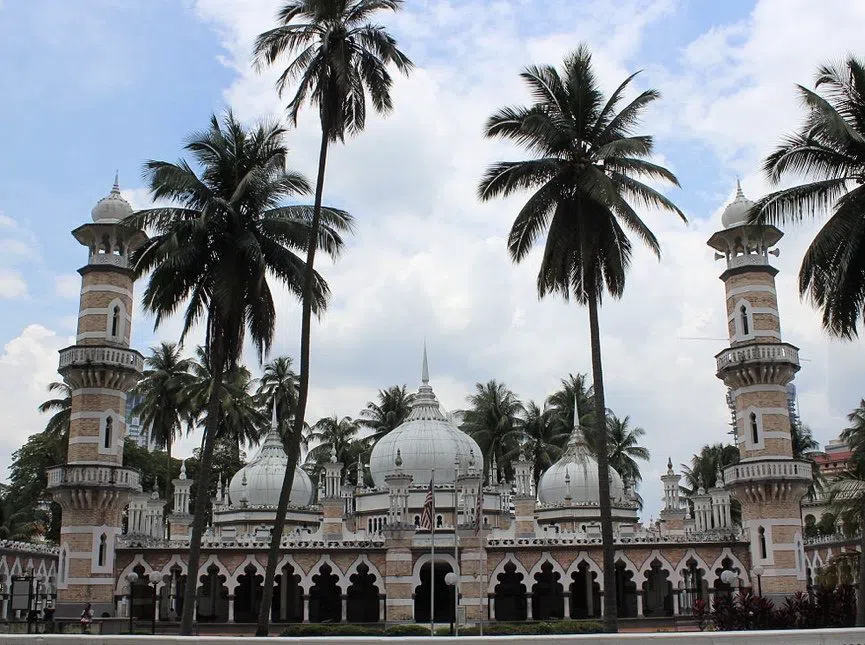
Where the Rivers Meet: Kuala Lumpur's Muddy Confluence and the City That Rose From It
Kuala Lumpur means 'muddy confluence' — and if you know where to stand, two forgotten rivers still tell the whole story of the city built over them.
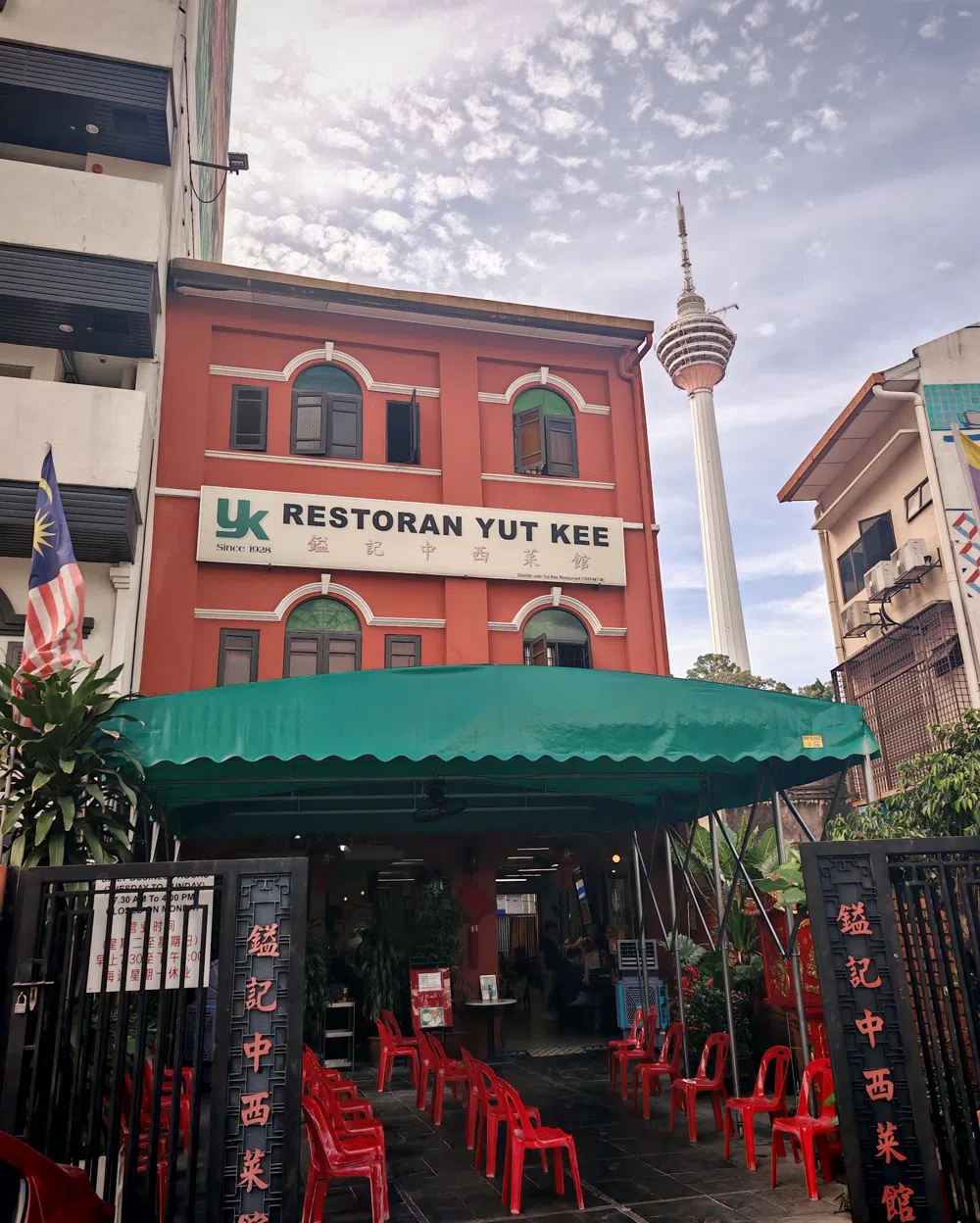
Under the Kopitiam Roof: Kuala Lumpur's Enduring Coffee-Shop Canteens
A local's honest guide to Kuala Lumpur's kopitiam — which heritage coffee-shops to queue for, which suit a group, and which new-wave rooms are worth your morning in 2026.
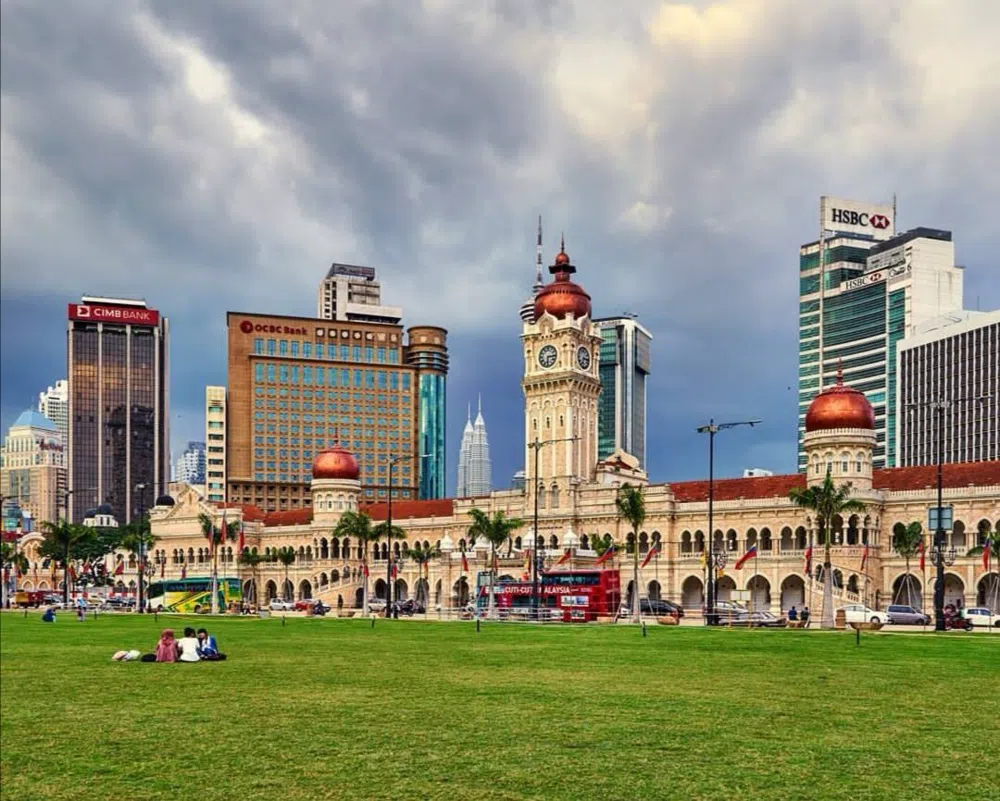
Merdeka Square: Kuala Lumpur's Colonial Core Under the Towers
A calm, honest walk through the padang where Malaysia was born — which doors finally open in 2026, which are facade-only, and how to time it before the heat.
Where to base yourself
The neighborhoods
01
KLCC (Kuala Lumpur City Centre)
For Suits business travelers and luxury seekers. The trade-off is a lack of gritty local character and higher prices.
The corporate heart of the city, defined by gleaming skyscrapers, luxury hotels, and manicured park spaces.
Where to stay — High-end international hotel chains and luxury serviced apartments.
02
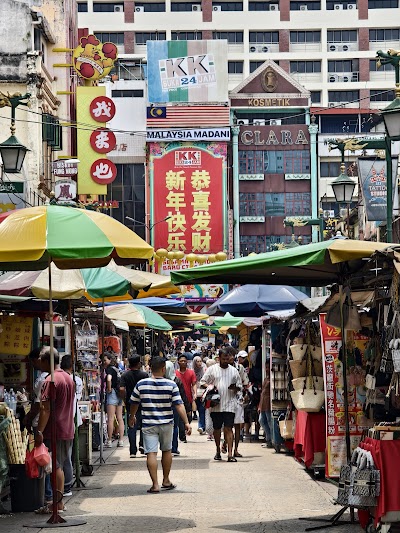
Chinatown & Petaling Street
For Suits heritage lovers and nightlife enthusiasts. It can feel crowded, noisy, and touristy during peak hours.
A historic district undergoing a creative revival, where traditional clan houses and wet markets sit alongside trendy cafes and speakeasies.
Where to stay — Design-forward boutique hotels and restored heritage guesthouses.
03
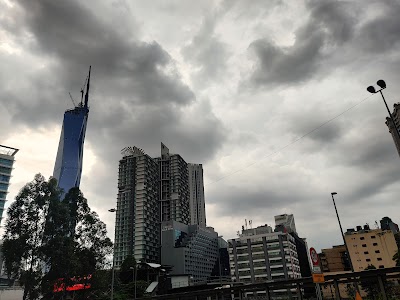
Bukit Bintang
For Suits shoppers and those who want to be in the center of the action. The traffic congestion here is severe at almost all hours.
The city's primary retail and entertainment hub, filled with massive shopping malls, street performers, and neon-lit food streets.
Where to stay — Mid-range business hotels and upscale high-rise properties.
04
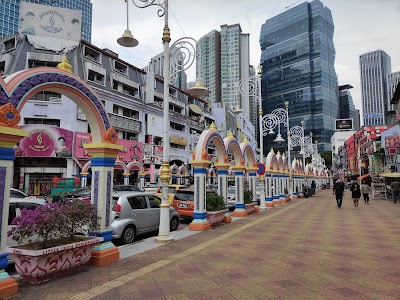
Brickfields (Little India)
For Suits cultural explorers and budget dining fans. It is highly chaotic and lacks upscale nightlife options.
A sensory neighborhood filled with the sound of Bollywood music, the scent of jasmine garlands, and rows of textile shops.
Where to stay — Budget-friendly hotels near the transit hub of KL Sentral.
05
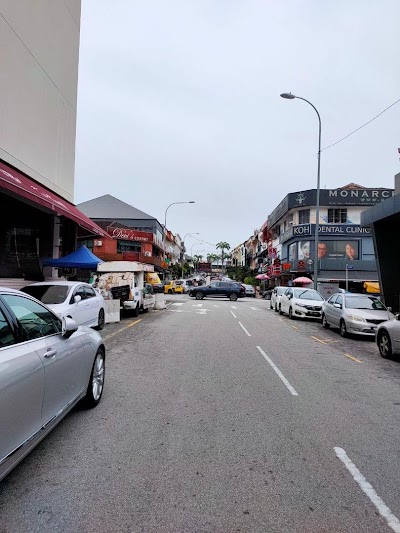
Bangsar
For Suits expats and travelers seeking a relaxed, westernized cafe culture. It is not directly connected to the main rail lines, requiring rideshares.
An affluent residential suburb known for its leafy streets, independent boutiques, art galleries, and trendy dining scene.
Where to stay — Upscale boutique rentals and residential apartments.
06
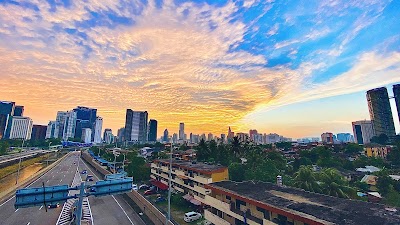
Kampung Baru
For Suits culinary purists looking for authentic Malay street food. It lacks modern tourist infrastructure and public transit is limited.
A historic Malay enclave preserved in the center of the city, featuring traditional wooden stilt houses set against a backdrop of modern skyscrapers.
Where to stay — Local guesthouses or hotels on the outer edge of the district.
Book direct
Book a hotel in Kuala Lumpur
Loading live availability and real-time prices…
Where to eat
Dining
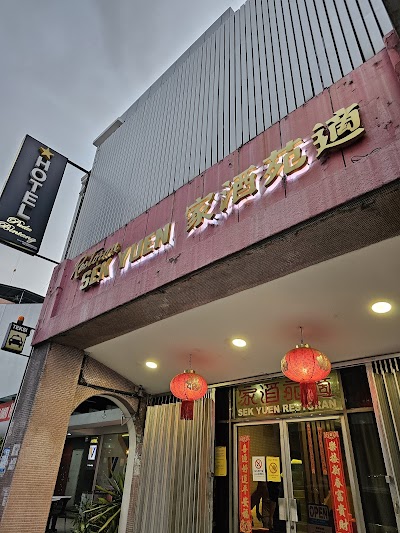
Restoran Sek Yuen
€€Pudu
One of the city's oldest Cantonese restaurants, still using traditional wood-fired ovens to prepare classic dishes.
Signature — Pei Pa Duck and steamed river fish
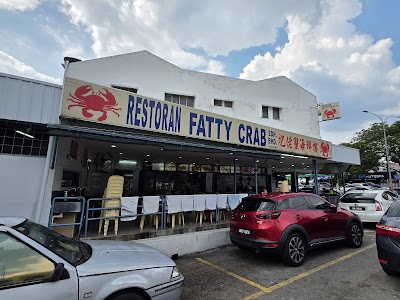
Fatty Crab
€€Taman Mayang
A legendary, no-nonsense institution famous for its fast service and singular focus on crab dishes.
Signature — Sweet and spicy chili crab served with toasted buns
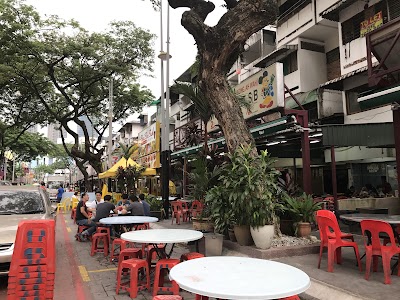
Wong Ah Wah
€Bukit Bintang
A massive, multi-stall street restaurant on Jalan Alor known for serving excellent grilled seafood late into the night.
Signature — Charcoal-grilled stingray with sambal
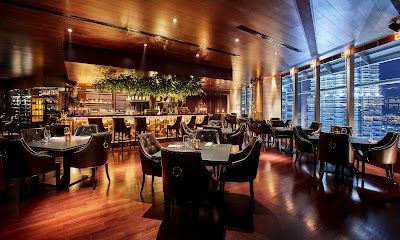
Marble 8
€€€€KLCC
Offers premium dry-aged beef alongside panoramic views of the Petronas Twin Towers through floor-to-ceiling windows.
Signature — Dry-aged Wagyu ribeye
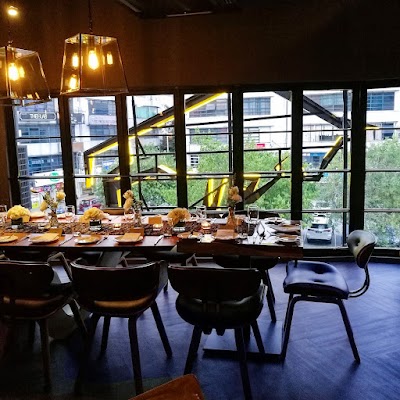
Vantador
€€€Sri Hartamas
A dedicated dry-aged steak boutique that focuses on sourcing rare heritage breeds of beef.
Signature — Spanish Rubia Gallega steak
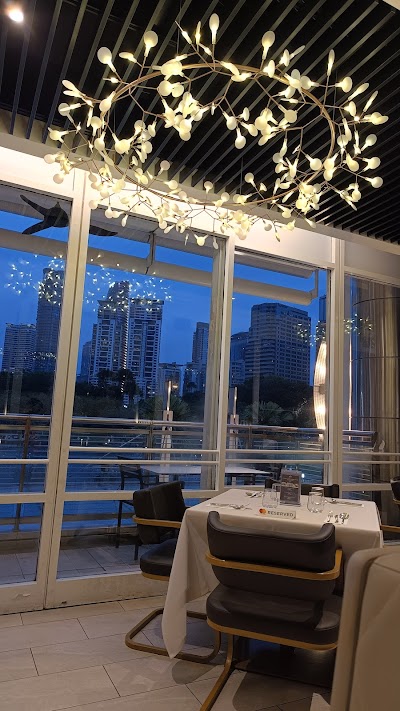
Maria's SteakCafe
€€Bangsar
A long-running family business that delivers high-quality cuts of beef without the pretension of fine dining.
Signature — Australian Wagyu MB7
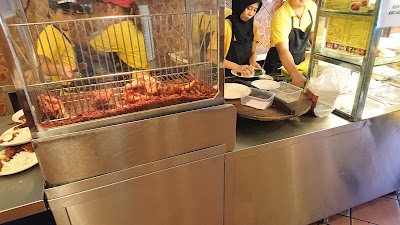
Village Park Restaurant
€Damansara Utama
Widely regarded by locals as serving the benchmark version of Malaysia's national dish.
Signature — Nasi Lemak with crispy spiced fried chicken
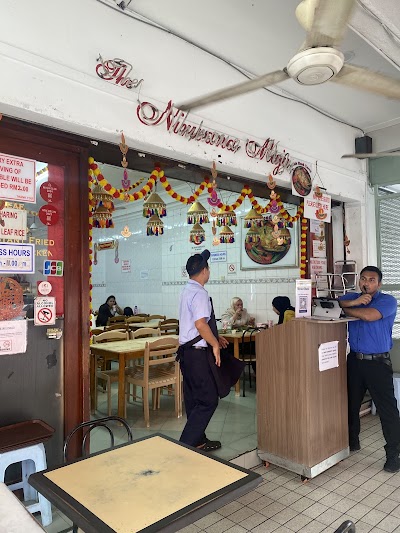
Restoran Sri Nirwana Maju
€Bangsar
A highly popular spot for South Indian banana leaf rice, known for its fast-paced service and intense flavors.
Signature — Banana leaf rice with fried bittergourd and mutton varuval
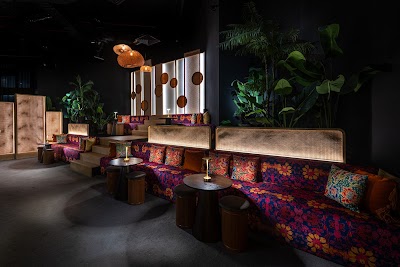
Beta KL
€€€KLCC
An upscale restaurant that reimagines traditional Malaysian flavors and regional recipes through modern culinary techniques.
Signature — Tour of Malaysia tasting menu
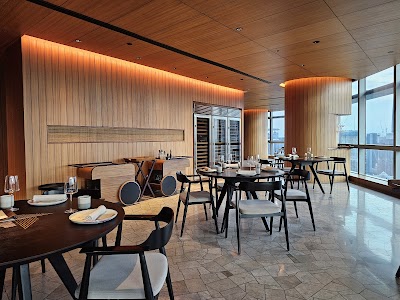
Dewakan
€€€€KLCC
A pioneering restaurant dedicated to sourcing rare, indigenous ingredients from Malaysia's forests, rivers, and seas.
Signature — Multi-course indigenous ingredient tasting menu
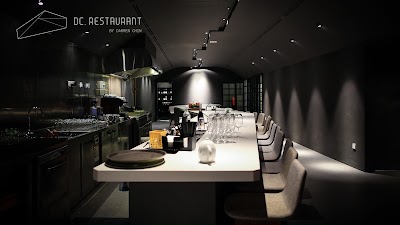
DC by Darren Chin
€€€€Taman Tun Dr Ismail
Delivers precise, classic French culinary techniques combined with seasonal Japanese and local produce.
Signature — Slow-roasted rack of lamb
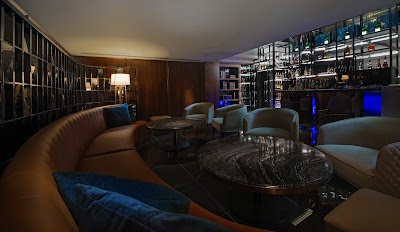
Cilantro Restaurant & Wine Bar
€€€€Bukit Bintang
A long-standing institution known for its French-Japanese fusion cuisine and extensive wine list.
Signature — Cold capellini with sea urchin and sweet shrimp
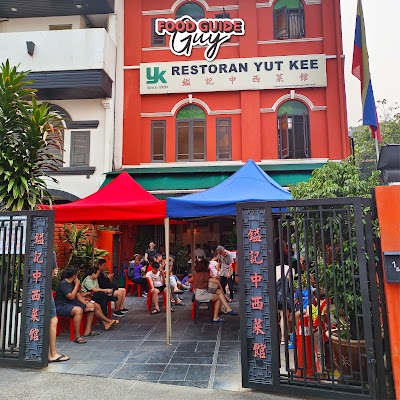
Yut Kee Restaurant
€Chow Kit
One of the city's oldest Hainanese coffee shops, serving comfort food classics since 1928.
Signature — Hainanese chicken chop and pork chop
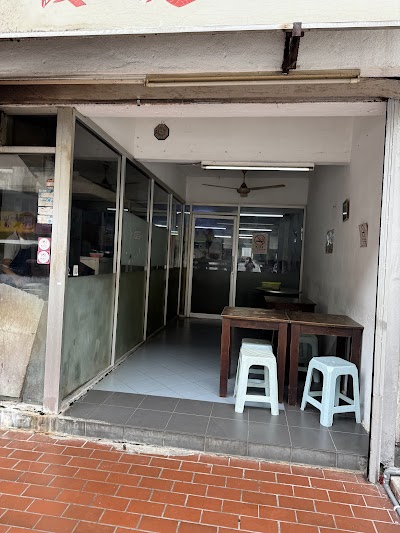
Restoran Kin Kin
€Chow Kit
The legendary birthplace of chili pan mee, a dry noodle dish that has spawned countless imitators.
Signature — Dry chili pan mee with a poached egg
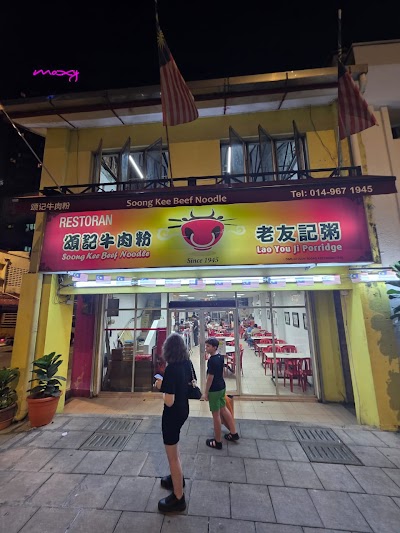
Soong Kee Beef Ball Noodles
€Chinatown
Serving springy noodles topped with savory minced meat and beef balls for over eight decades.
Signature — Beef ball noodles
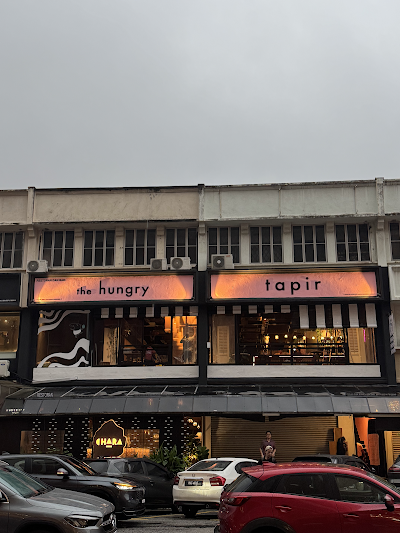
The Hungry Tapir
€€Chinatown
A stylish, fully vegan restaurant and cocktail bar set inside a restored heritage shophouse.
Signature — Pink bomb hummus and vegan satay
Dharma Realm Guan Yin Sagely Monastery Canteen
€KLCC
A massive, budget-friendly Buddhist vegetarian buffet located behind a temple, offering dozens of fresh dishes.
Signature — Self-service vegetarian buffet
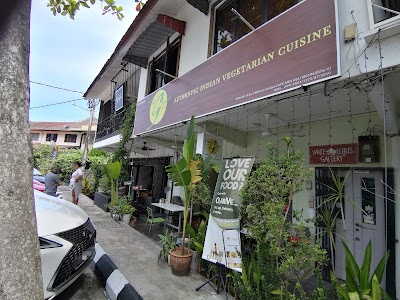
The Ganga Cafe
€Bangsar
Famous for its wholesome, organic, and MSG-free Gujarati vegetarian dishes.
Signature — Vegetarian thali and palak paneer
After dark
Nightlife
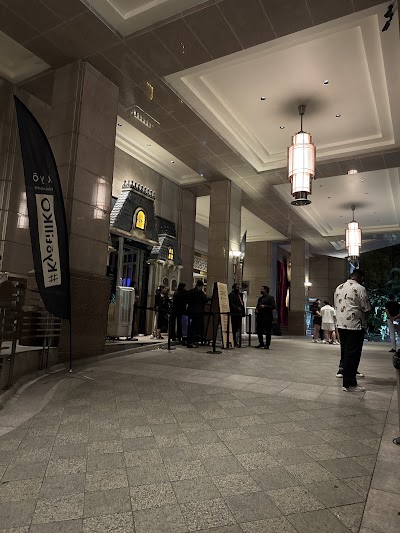
Kyo
KLCC
Located in the basement of the Mandarin Oriental, this venue features a minimalist Japanese design and a state-of-the-art sound system.
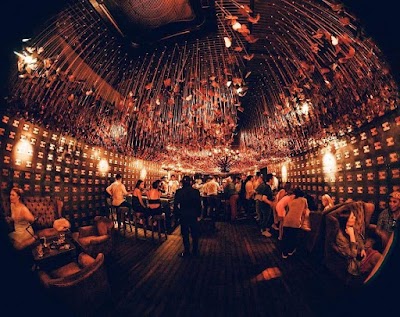
The Iron Fairies
TREC
An industrial-fantasy themed venue decorated with thousands of iron figurines and suspended butterflies.
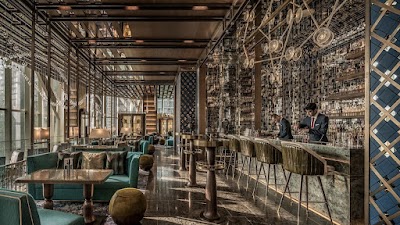
Bar Trigona
KLCC
An award-winning cocktail bar at the Four Seasons that focuses on sustainable, hyper-local ingredients like wild honey.
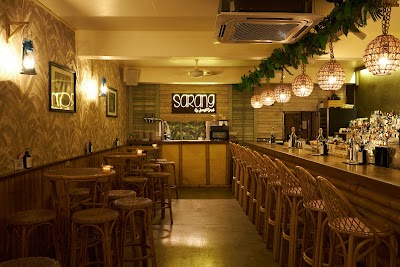
JungleBird
Bukit Damansara
A globally recognized rum bar celebrating tropical ingredients and classic tiki culture.
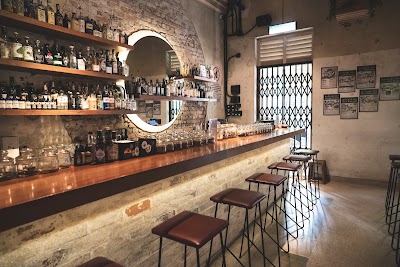
Pahit
Bukit Bintang
A specialty gin bar housed in a quiet, rustic pre-war building, specializing in gin infusions.
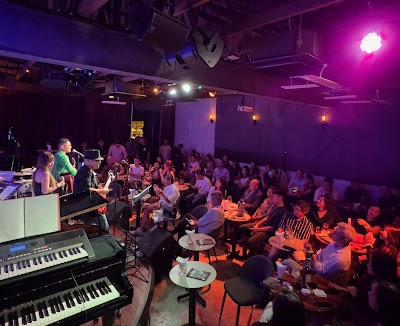
Bobo KL
Bangsar
An intimate piano lounge and cabaret space hosting top-tier local and regional musicians.
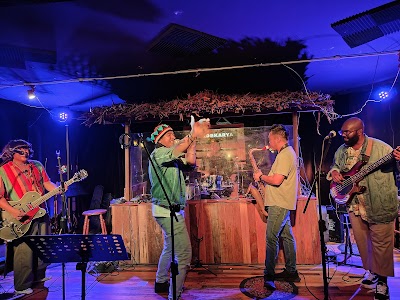
Merdekarya
Petaling Jaya
A grassroots, independent venue dedicated to promoting local singer-songwriters and indie bands.
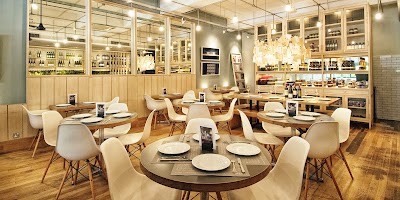
Alexis Bistro
Ampang
A long-standing dining venue known for hosting excellent live jazz performances on weekend nights.
Art & history
Culture
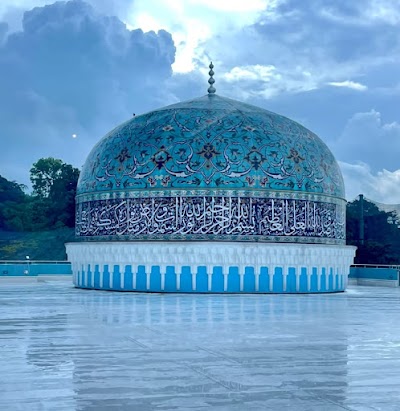
Islamic Arts Museum Malaysia
Lake Gardens
Houses one of the best collections of Islamic decorative arts in Southeast Asia, set inside a building with stunning tiled domes.
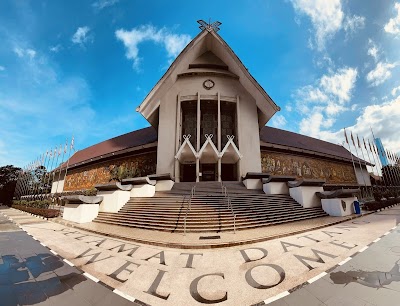
National Museum (Muzium Negara)
Lake Gardens
Provides a comprehensive overview of the country's history, from prehistoric times through the colonial era to independence.
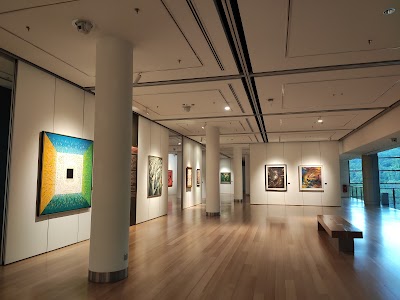
Bank Negara Malaysia Museum and Art Gallery
Sasana Kijang
Features interactive exhibits on economics, numismatics, and a stellar collection of Southeast Asian art.
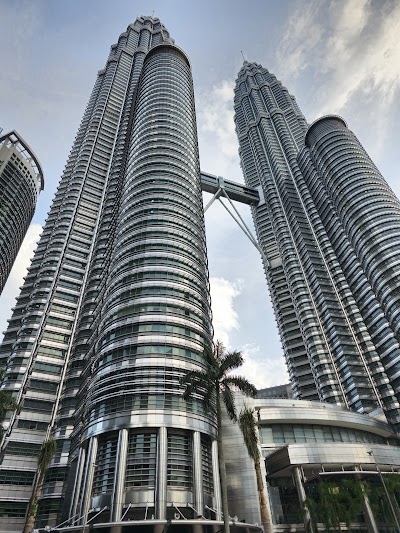
Petronas Twin Towers
KLCC
The iconic twin skyscrapers that define the city's skyline, featuring a double-decker skybridge and observation deck.
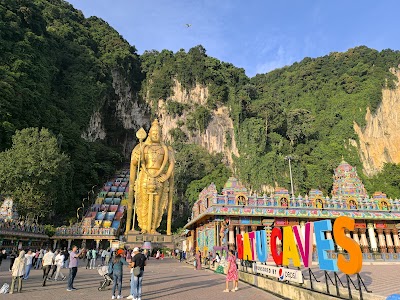
Batu Caves
Gombak
A massive limestone hill featuring a series of caves and cave temples, guarded by a giant golden statue of Lord Murugan.
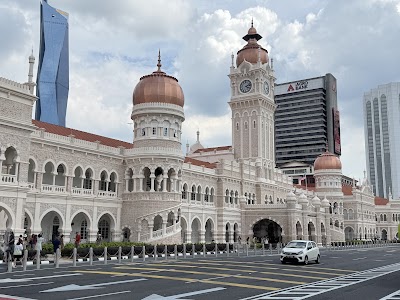
Sultan Abdul Samad Building
Merdeka Square
A late 19th-century Moorish-style building that served as the center of the British colonial administration.
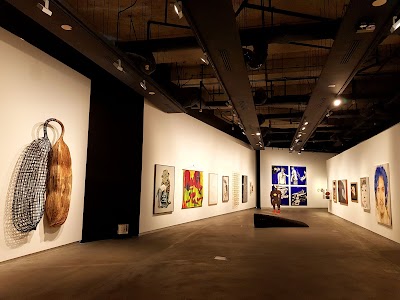
Ilham Gallery
KLCC
A public art gallery hosting world-class exhibitions of modern and contemporary art from Malaysia and the region.
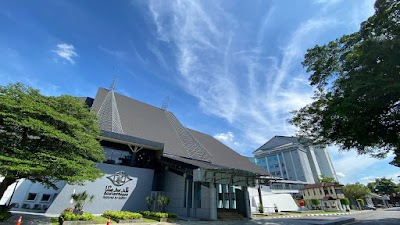
National Art Gallery (Balai Seni Negara)
Titiwangsa
The official national repository for modern and contemporary Malaysian art, housed in a striking building inspired by traditional architecture.
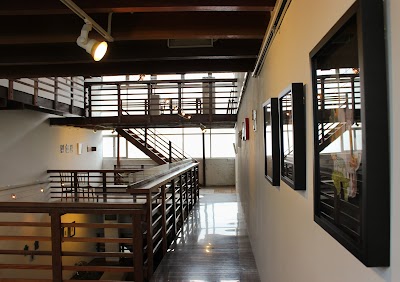
Wei-Ling Gallery
Brickfields
One of the country's leading private contemporary art galleries, representing major local artists.
Book ahead
Top-rated experiences in Kuala Lumpur

Market Visit & Private Hands-on Cooking Class at Daun Senja
from $110

Batik Bag Painting Workshop by myBatik
from $42

Kuala Lumpur Private Tour: Petronas Twin Towers and Batu Caves
from $155

Sip & Paint Night
from $41

Wonders of Kuala Lumpur City & Countryside + Batu Caves (Private Guided Tour)
from $145

Rainforest-Cascading Waterfall & Batu Cave (Private Tour)
from $110

Group Tour: Half-Day Kuala Lumpur City Exploration Tour
from $36

Elevate Your Senses: A Day of Wonders in Cameron Highlands!
from $97
Prices from Viator; we may earn a commission when you book — at no extra cost to you. Tours are sold and operated by Viator, the merchant of record. Ratings are collected by Viator and Tripadvisor.
Timing
When to visit
Dry Season (May to July)
This period sees the lowest average rainfall, making it the most comfortable time for walking tours and outdoor exploration, though brief afternoon showers still occur.
Wet Season (October to January)
Characterized by intense, sudden afternoon downpours. While transit can slow down due to localized flooding, accommodation prices are often lower and indoor attractions are less crowded.
What it costs
Budgeting
Logistics
Getting around
From the airport
The KLIA Ekspres train connects Kuala Lumpur International Airport to KL Sentral station in exactly 28 minutes. Taxis and ride-hailing services are also available but are subject to unpredictable highway traffic.
Public transit
The city features an integrated rail network consisting of the LRT, MRT, and Monorail. It is clean, air-conditioned, and highly efficient for bypassing the city's notorious traffic jams.
Passes & tickets
The MyCity Pass offers unlimited rides on the LRT, MRT, and Monorail for one or three days at a very low cost, falling well within the budget-friendly category.
On foot
Poor. The city is designed primarily for cars, with fragmented sidewalks, pedestrian barriers, and intense heat making long-distance walking difficult, though specific neighborhoods like Chinatown are highly walkable.
Travel smart
Safety & etiquette
Local etiquette
- •Always remove your shoes before entering a Malaysian home, mosque, or temple.
- •Dress modestly when visiting religious sites, ensuring shoulders and knees are fully covered.
- •Use your right hand when passing items or eating, as the left hand is traditionally considered unclean.
From the ground
Practical tips
1
Download the Grab ride-hailing app before you arrive; it is the safest and most reliable way to travel by car.
2
Avoid taking unmetered street taxis; always insist on the meter or use a ride-hailing app.
3
Book your Petronas Twin Towers tickets online weeks in advance, as same-day tickets sell out quickly.
4
Carry a light scarf or sarong in your bag to cover up when visiting temples and mosques.
5
Be alert to snatch-theft; hold your bag on the side away from the street traffic.
6
Use the covered, air-conditioned pedestrian walkways to travel between KLCC and Bukit Bintang on foot.
Kuala Lumpur FAQs
Is English widely spoken in Kuala Lumpur?
Yes, English is spoken fluently by a large majority of the population, especially in hotels, restaurants, and shopping centers.
Can I drink the tap water?
No, it is highly recommended to drink filtered or bottled water to avoid stomach issues.
How many days should I spend in the city?
Three to four days is typically enough time to see the major landmarks, explore the distinct neighborhoods, and experience the food scene.
Is the city safe for solo female travelers?
Yes, it is generally very safe, though standard urban precautions should be taken, especially when walking alone at night.
What is the best way to pay for things?
Credit cards are widely accepted in malls and restaurants, but cash is still essential for street food stalls, night markets, and public transit.