The Kuala Lumpur issue
Under the Kopitiam Roof: Kuala Lumpur's Enduring Coffee-Shop Canteens
A local's honest guide to Kuala Lumpur's kopitiam — which heritage coffee-shops to queue for, which suit a group, and which new-wave rooms are worth your morning in 2026.
By Lena BrandtThe city between the towers
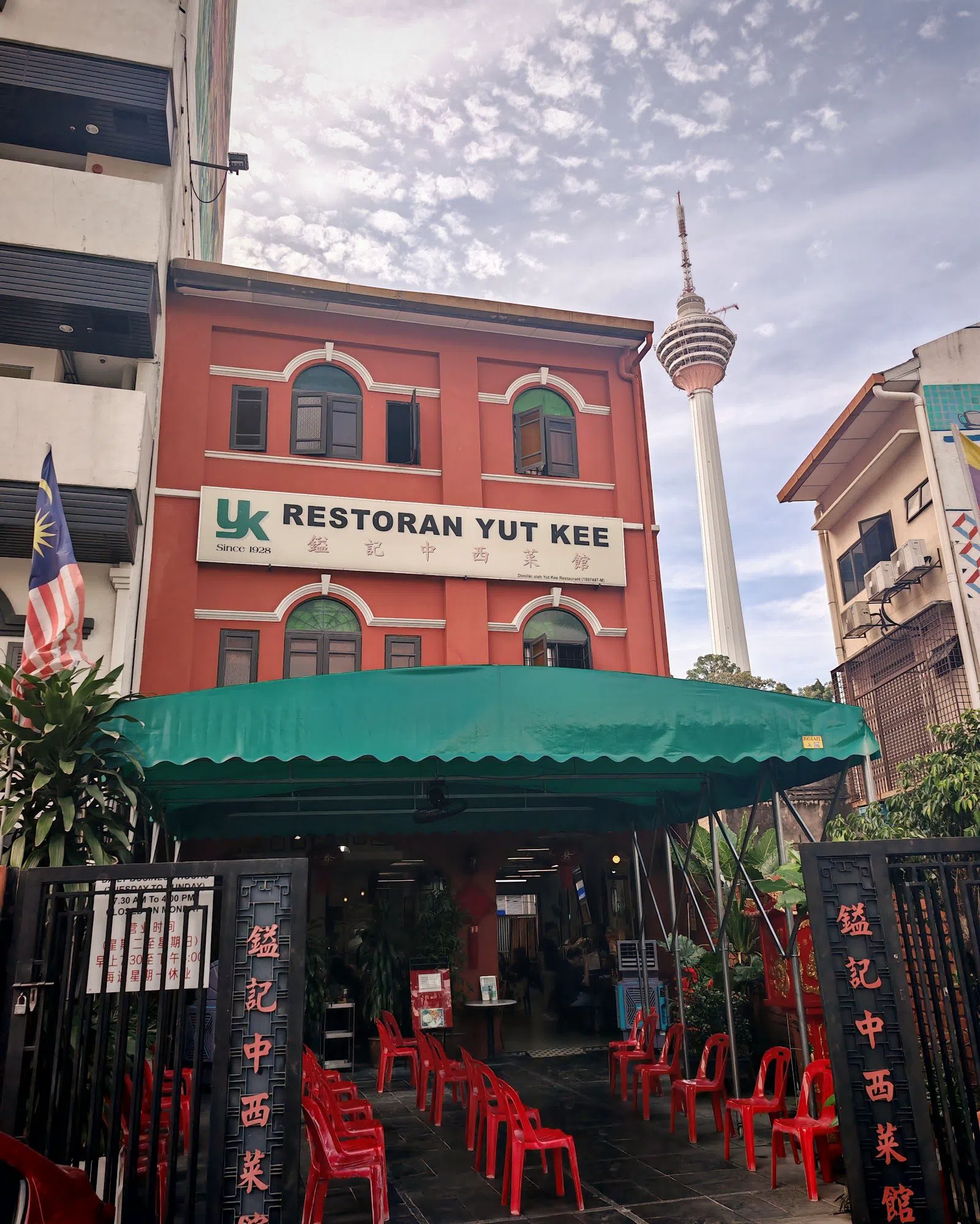
There is a particular light in a Kuala Lumpur kopitiam at eight in the morning: it comes off marble-topped tables and mosaic floors, through ceiling fans that have turned since before independence, and it smells of charcoal-toasted bread and coffee thickened with condensed milk. The kopitiam — from kopi, Malay-Hokkien for coffee, and tiam, Hokkien for shop — is the ground floor of KL's food culture, the place where Hainanese cooks, Indian-Muslim stall-holders and Cantonese noodle men have fed the city across a century of change. This is where I send people first, before the rooftop bars and the mall food courts, because it is the most honest meal in town.
What follows is not a nostalgia tour. Some of these rooms are a hundred years old and some opened in the last decade; a few are cramped and cash-only, others are air-conditioned and take bookings. I've been clear about which is which, because a kopitiam that thrills a solo traveller on a quiet Tuesday can defeat a party of eight at Sunday peak. Sort your base first with a Kuala Lumpur hotel search — most of these places cluster around the old core, Chinatown and Bukit Bintang, and are walkable or a short Grab ride apart.
The Hainanese originals
The kopitiam as KL knows it was largely a Hainanese invention. Immigrants from Hainan island, often having cooked in colonial households, opened coffee-shops and brought with them a hybrid menu — local kaya toast alongside European chops and toast — that still defines the genre.
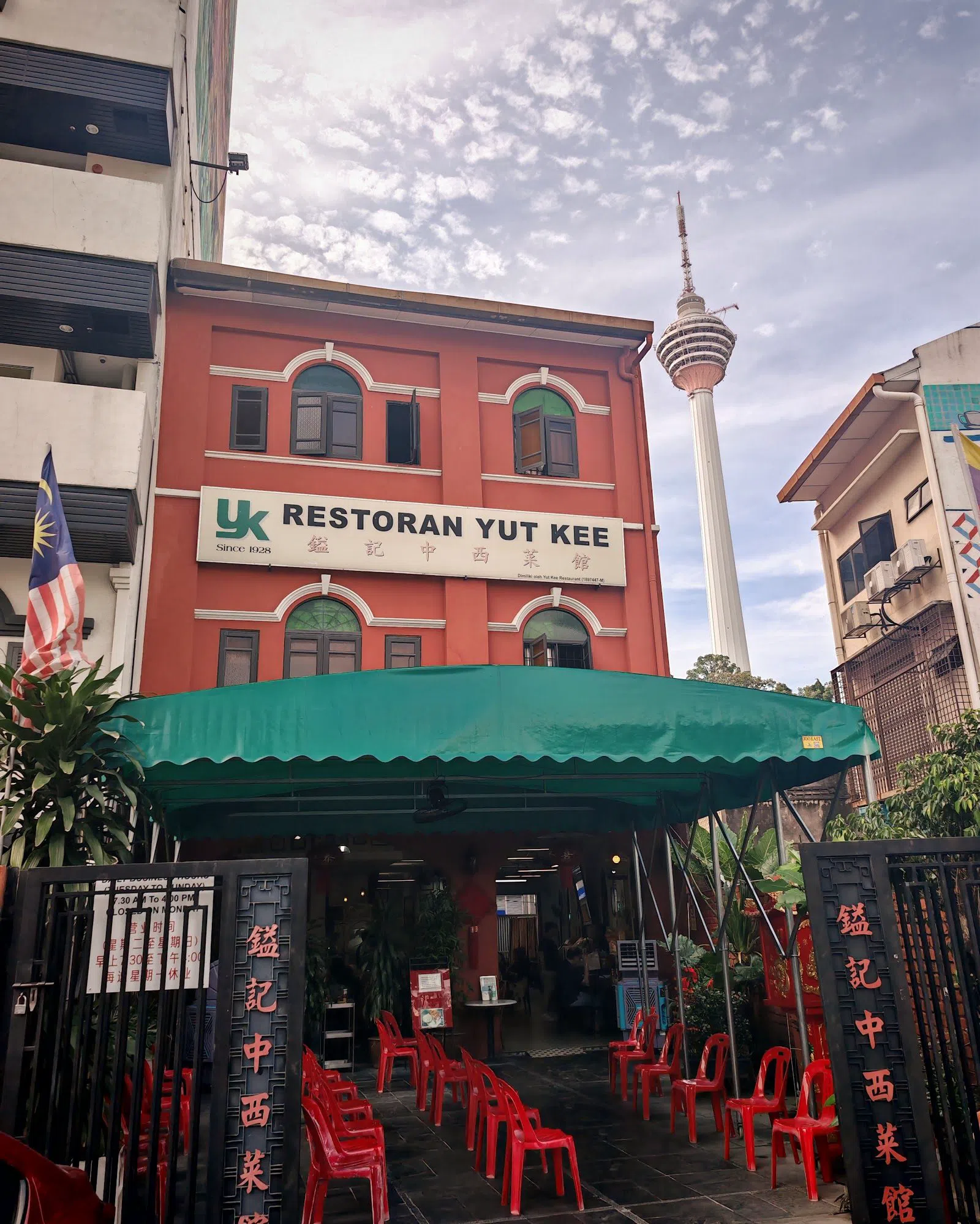
Yut Kee Restaurant (Jalan Kamunting, near Dang Wangi) is the one I'd walk furthest for. Trading since 1928, it is KL's most storied Hainanese kopitiam, and the roti babi — a deep-fried bread parcel of spiced pork — and the pork and chicken chops are the reason it earns its reputation rather than coasting on age. It's a casual walk-in with large communal tables; groups can be seated, but there are no reservations, so you either arrive early or accept that you'll share a table at the peak. Dishes run RM8–20, a kopi around RM2.50, and cash is the easy option. Note it's closed Mondays and runs 8am to 5pm, so this is a breakfast-and-lunch plan, not a dinner one.
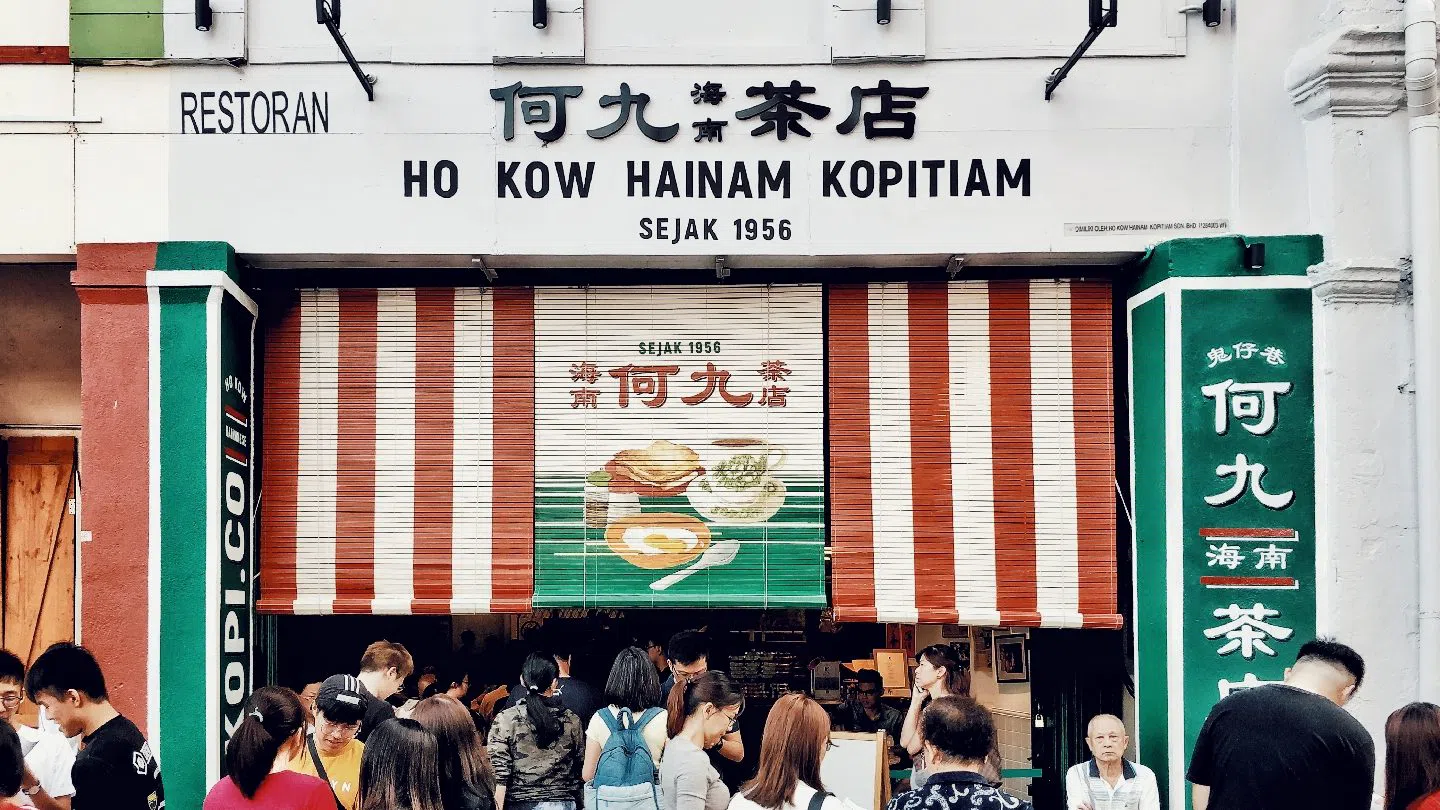
Ho Kow Hainam Kopitiam (Jalan Balai Polis, Chinatown) has been an institution since 1956 and made the leap from a hidden lane to a proper corner shophouse without losing the queues. Charcoal kaya toast, half-boiled eggs and a spread of dim sum keep a line at the door most mornings. The upstairs is genuinely group-friendly, but be honest with yourself about timing: for a table of four or more you'll take a queue number and wait, and the peak-hour crush is real. Plates are RM6–18 and a kopi cham — coffee cut with tea — about RM3. Also closed Mondays.
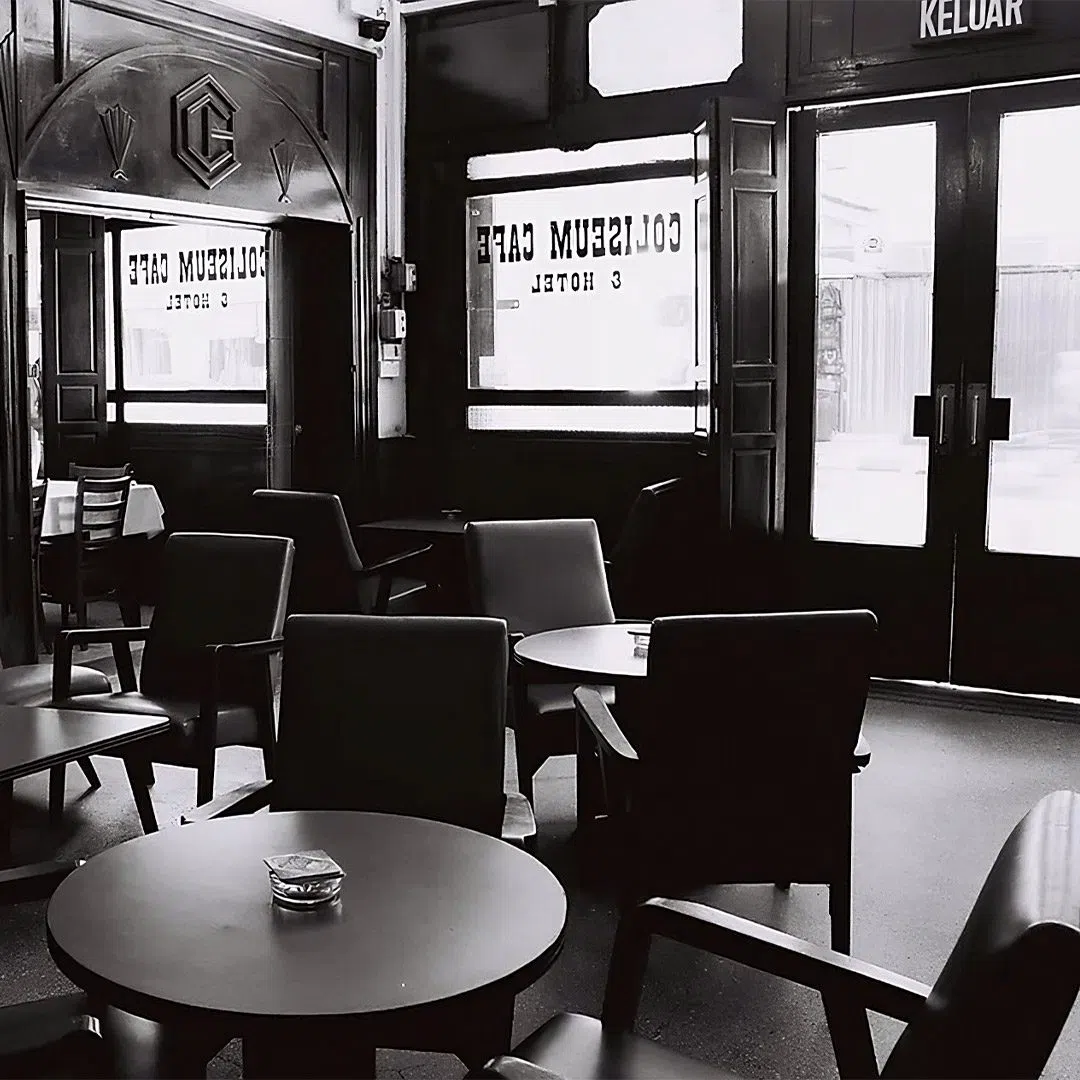
The grand old name is Coliseum Café & Grill (now trading as Coliseum 1921). The legendary Jalan Tuanku Abdul Rahman original, with its ancient bar and hissing sizzle-plates, closed in 2021 — I still miss it — but the century-old Hainanese-Western tradition continues at newer Coliseum 1921 outlets, and the sizzling steak and chicken chop live on. This is the full-service, tablecloth end of the spectrum: it seats and reserves for groups comfortably, at RM25–55 per person. One caveat — because it operates from newer branches now, verify the specific outlet's hours before you make the trip.
Plan your Kuala Lumpur trip
Live prices from our booking partners.
Free cancellation on many rooms. We may earn a commission when you book.
The noodle counters
Some kopitiam earn their fame not from coffee but from a single stall running the same recipe for decades. These are grazing rooms — you order across the counters and let the table fill up.
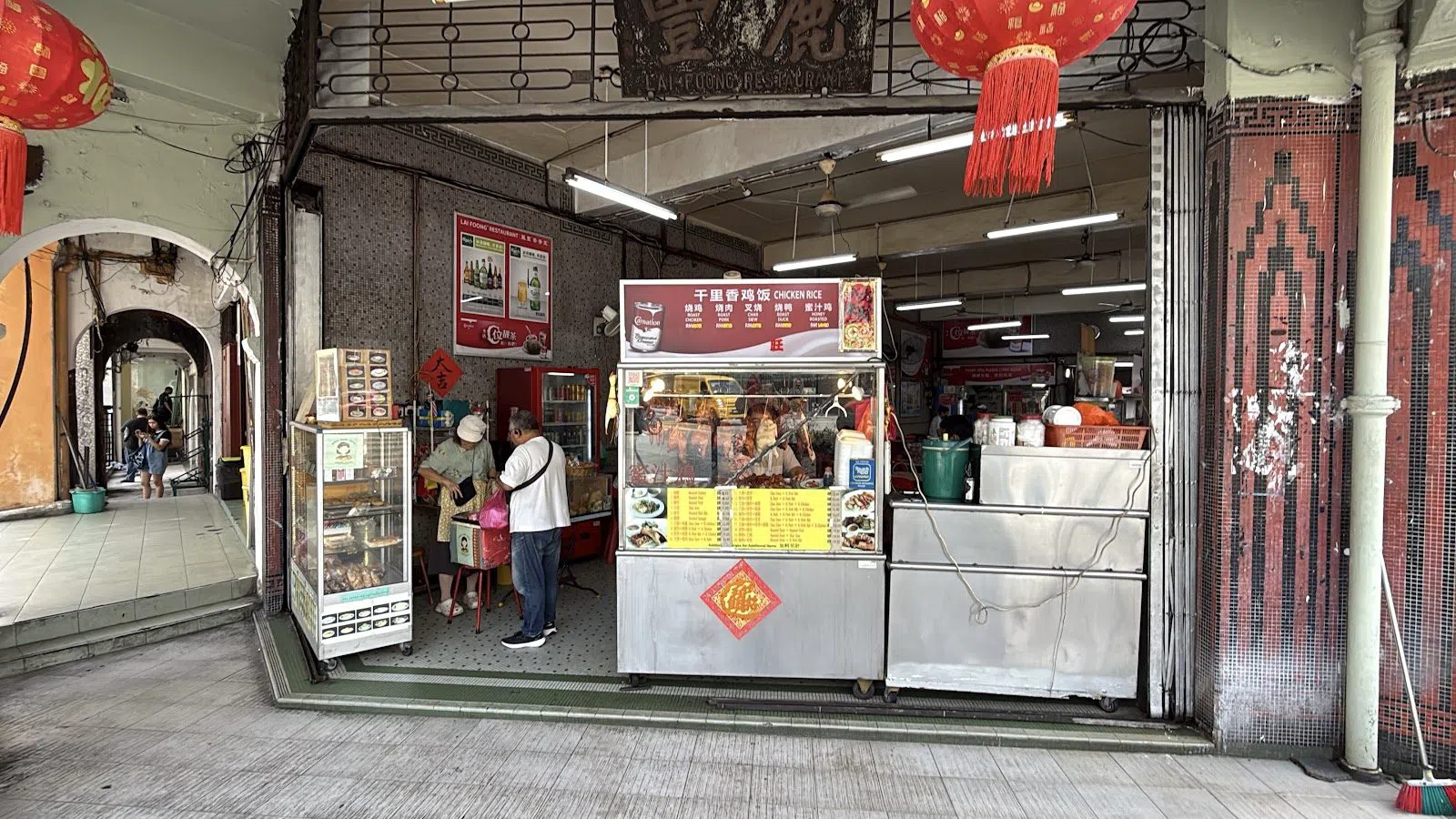
Kedai Kopi Lai Foong (Jalan Tun H S Lee, central Chinatown) is 60 years old and its beef-noodle stall is a genuine KL benchmark; the beef is clean, the broth deep. The joy of the place is the multi-stall format — a group can order beef noodles, clam noodles, char siew and kopi all at once and pass plates around. Seating is casual and shared, roughly RM9–18 a bowl, and it opens early at 6:30am. That's the catch: seats fill fast at breakfast, so come hungry and come early rather than fashionably late.
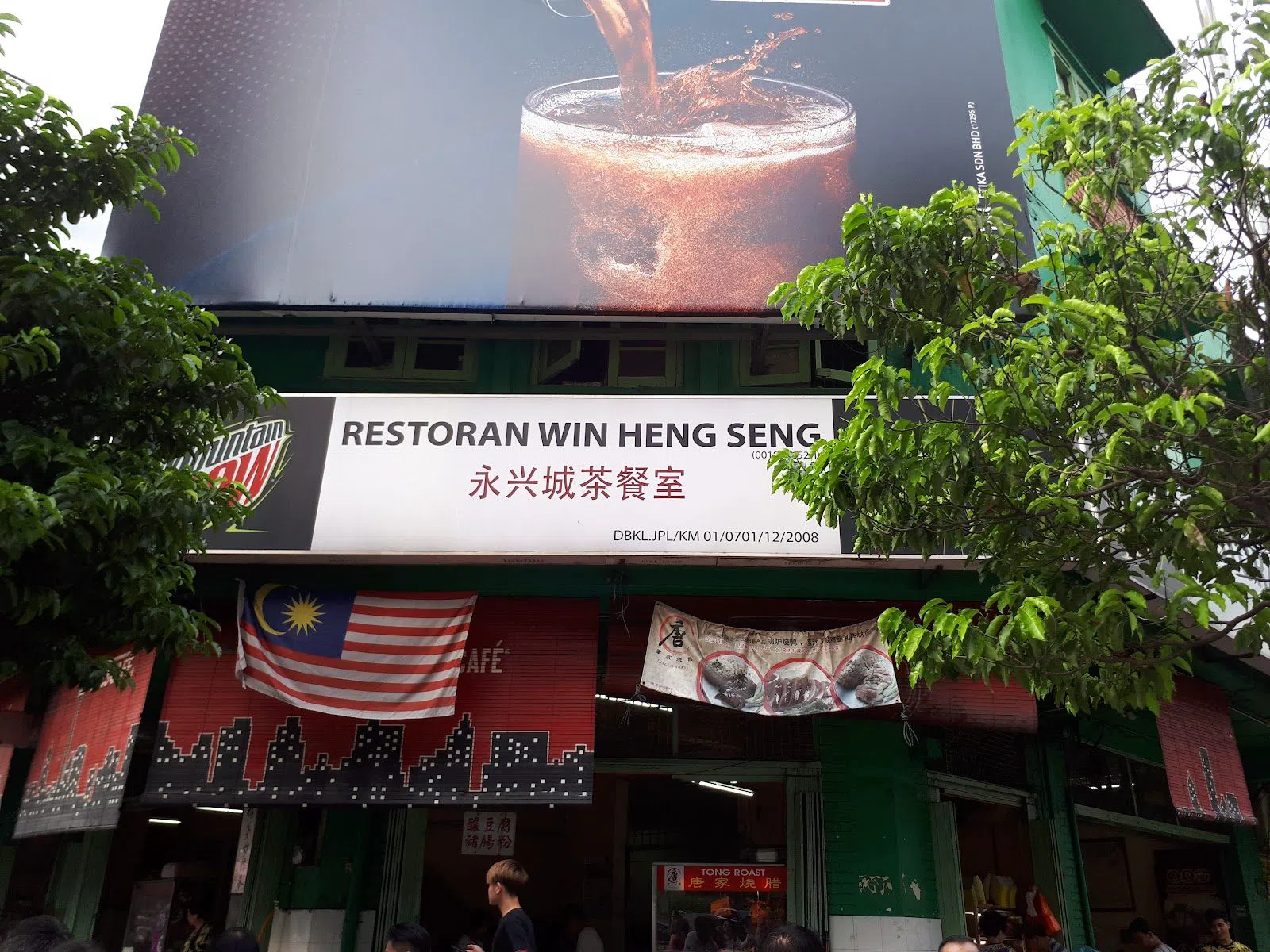
Restoran Win Heng Seng (Jalan Imbi, Bukit Bintang) is a 50-year morning ritual a few minutes' walk from the Bukit Bintang malls, widely rated among the city's best pork noodles. This is old-school kopitiam grazing — casual walk-in, shared tables, no bookings — and it's a fine plan for a small group at breakfast, less so for a big party. Bowls are RM8–15. Two things to plan around: it's morning-only, so this is an early start, and it is emphatically not pork-free, which matters if your group has Muslim or vegetarian travellers — in that case, one of the halal options below is the kinder choice.
The multiracial table
What makes KL's coffee-shop culture distinct from Singapore's or Hong Kong's is how often three communities cook under one roof. Two rooms make that explicit.
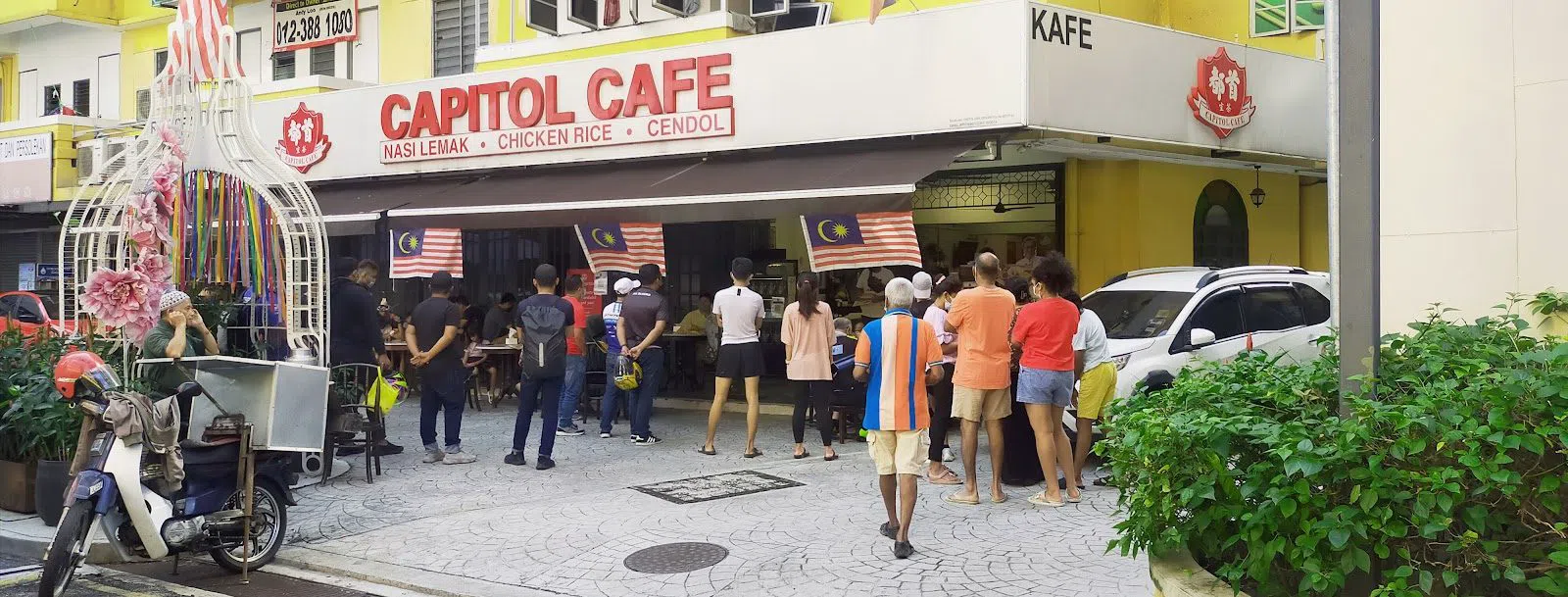
Capital Café (Jalan Tuanku Abdul Rahman) is the real Merdeka-era article — a genuine 1956 kopitiam where Malay, Chinese and Indian cooks have worked side by side since independence. The mee goreng, the rojak and the evening satay are the draws, and the fact that it runs into the evening makes it one of the few old-school shops on this list you can visit after dark. It's no-frills, with shared tables; a group can split across the stalls, but it packs out at lunch, so aim off-peak. Dishes are RM7–16, and note it's closed Sundays.
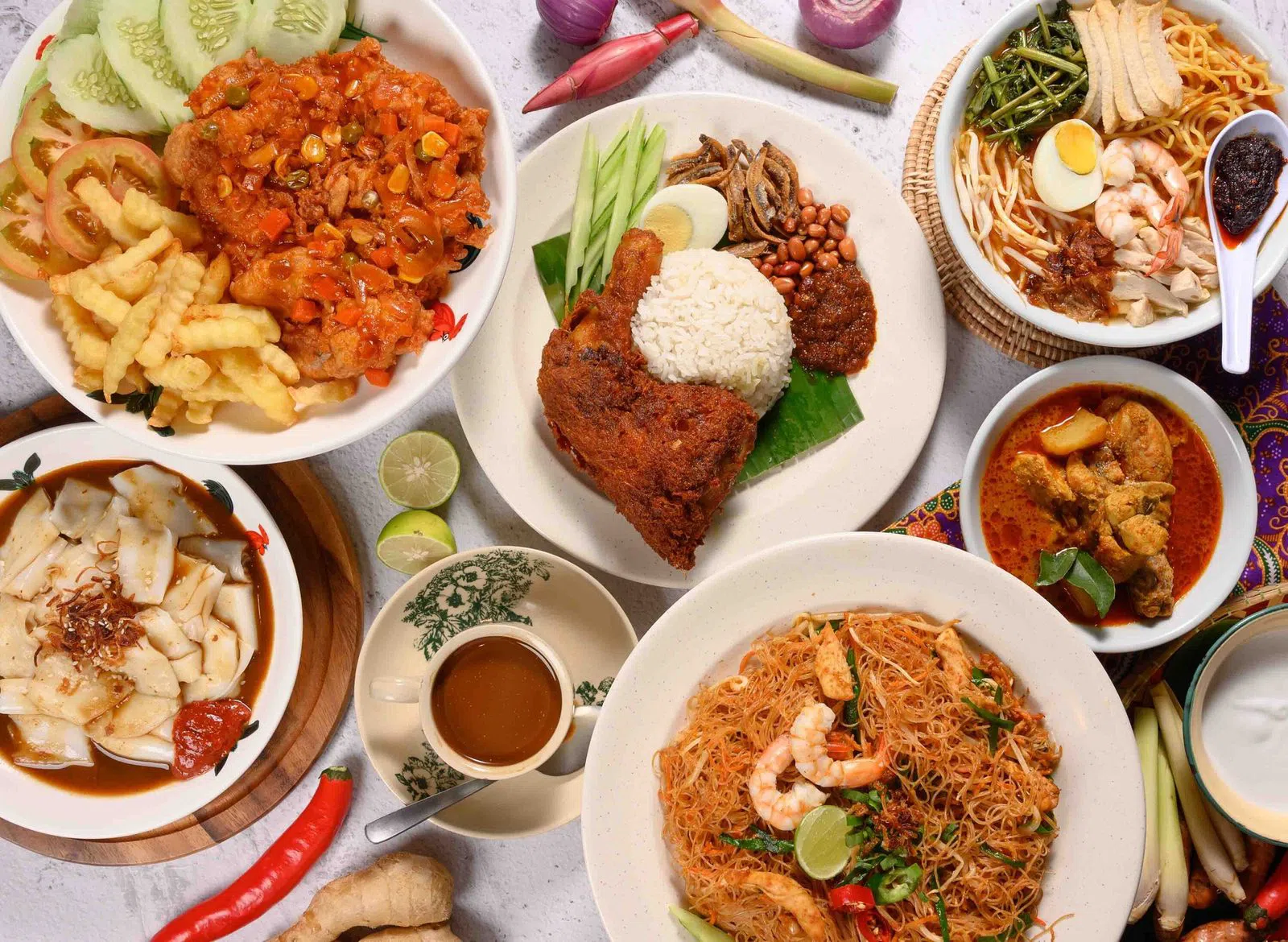
Ali, Muthu & Ah Hock (multiple outlets around the city) is the friendly modern face of that same idea. Open since 2013, its entire concept is the three-race Malaysian breakfast table — the name itself is a Malay, an Indian and a Chinese in one breath. This is the one I recommend to first-timers and to groups without hesitation: it's built for numbers, with a spacious, air-conditioned, multi-outlet layout and longer hours than the old shops, and it handles mixed dietary needs well. It's pork-free, which makes it easy for Muslim travellers. Budget around RM10–25 per person. If you want the spirit of the kopitiam without the queue-number stress, start here.
The cinematic rooms
A couple of places on this list are as much about the room as the food — worth knowing if you're travelling with someone who eats with their eyes and their camera.
Old China Café (Jalan Balai Polis, Chinatown) is a Peranakan time-capsule: a former guild hall dressed in colonial nostalgia — old photographs, dark wood, marble tables — serving Nyonya classics. For an international reader it is the most cinematic room here, and the Nyonya cooking (think kapitan chicken, cendol, tamarind-bright curries) backs up the setting. It's a proper sit-down restaurant that takes group bookings, but the tables sit close, so it's at its best for four to eight rather than a big crowd; couples get the most from it. Reckon RM15–35 per person.
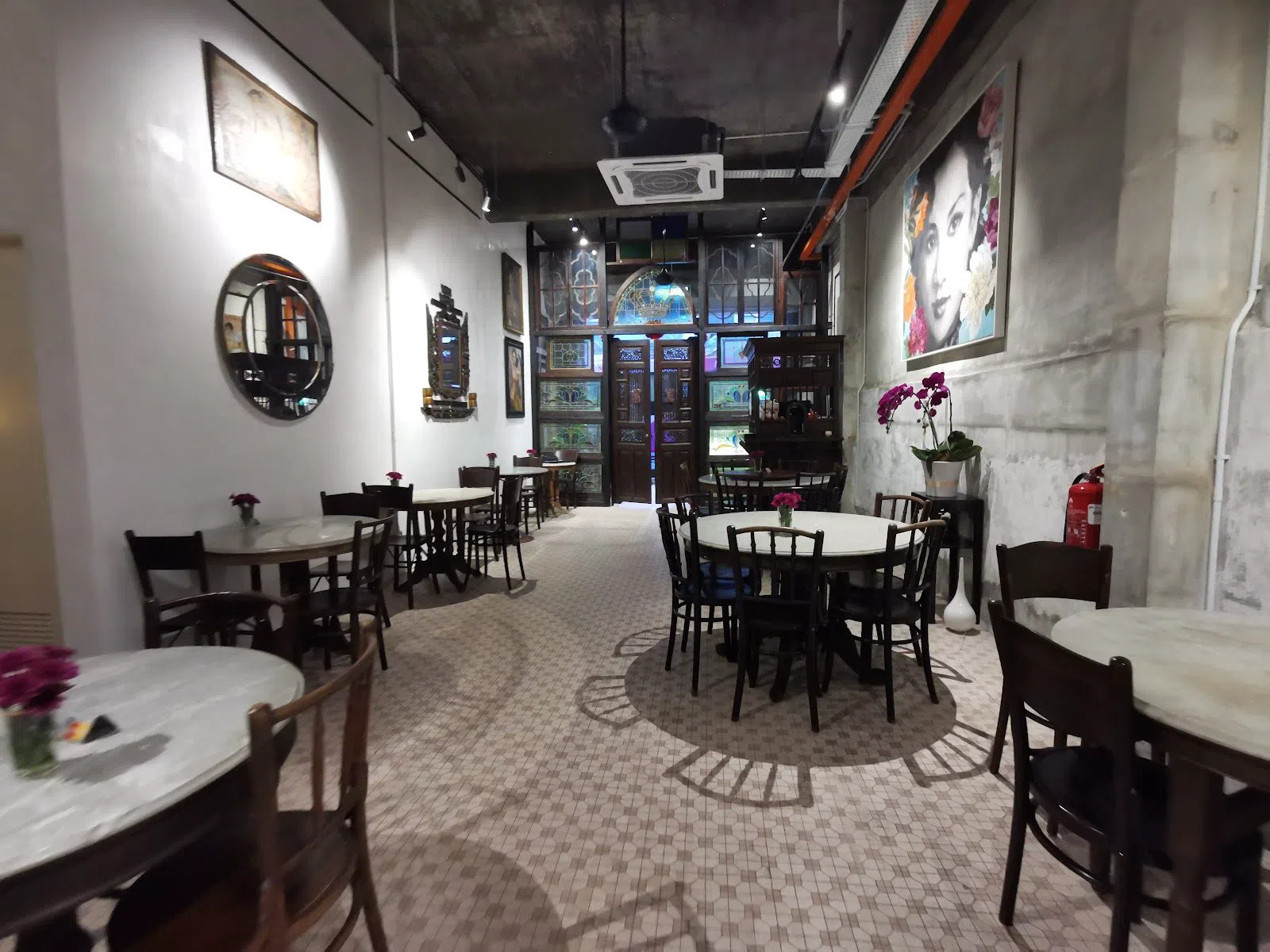
ChoCha Foodstore (Jalan Petaling, Chinatown) shows where the kopitiam idea is heading. It's a heritage-conservation reboot in a rescued shophouse — stripped back to its bones around a serene, plant-filled courtyard — serving modern Malaysian plates and a thoughtful tea list. Open since 2016, it rewards a slower visit. Reservations are recommended for groups, and the airy courtyard suits a medium group better than a big party; RM20–45 per person. This is the room for a long, unhurried lunch when you want the old architecture without the old chaos.
The new generation
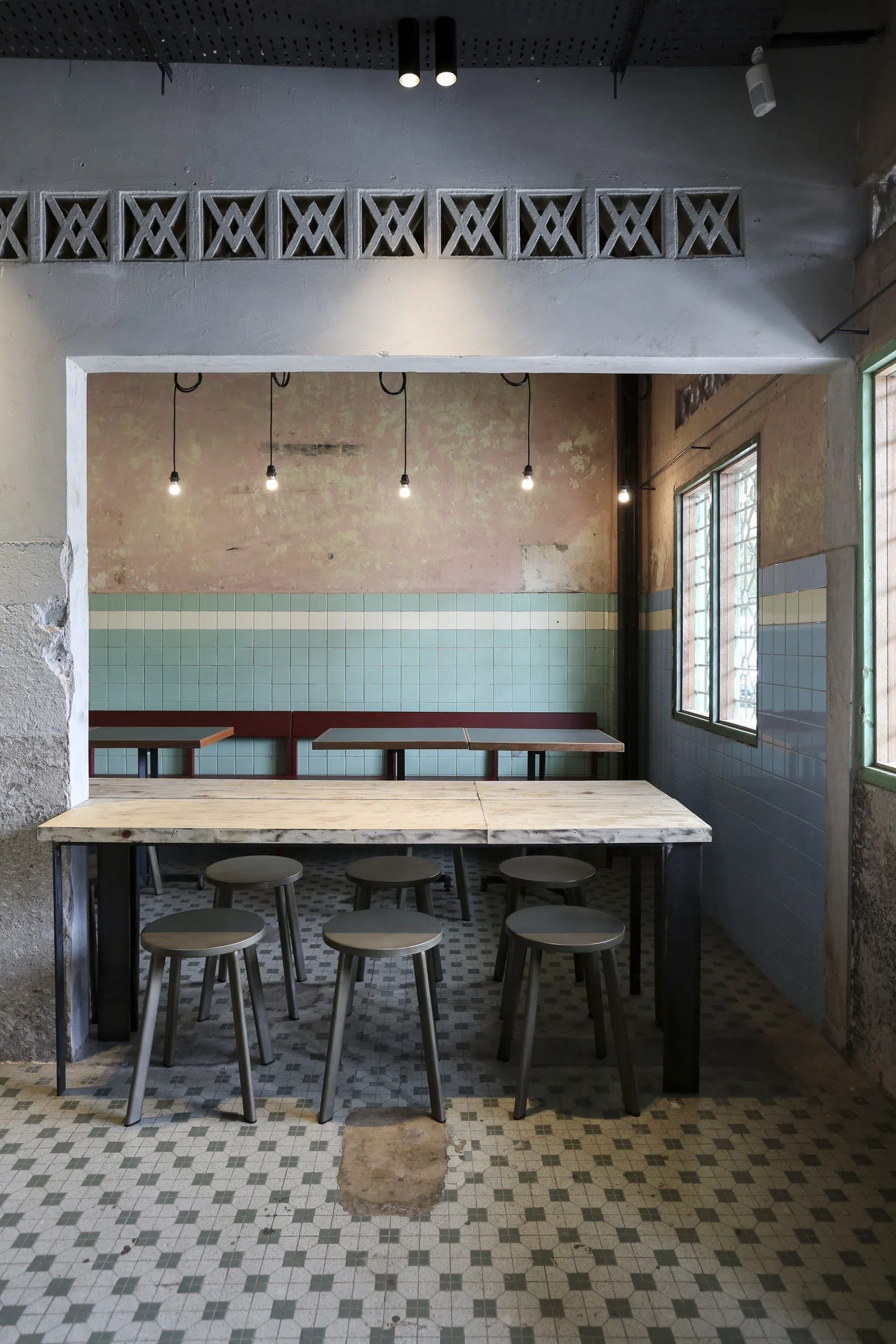
The kopitiam is having a moment in 2026, and a wave of newer rooms are reinterpreting it — some as third-wave cafés, some as polished, reliable chains. They are also, frankly, the practical answer when an old original is closed on a Monday or queued out the door.
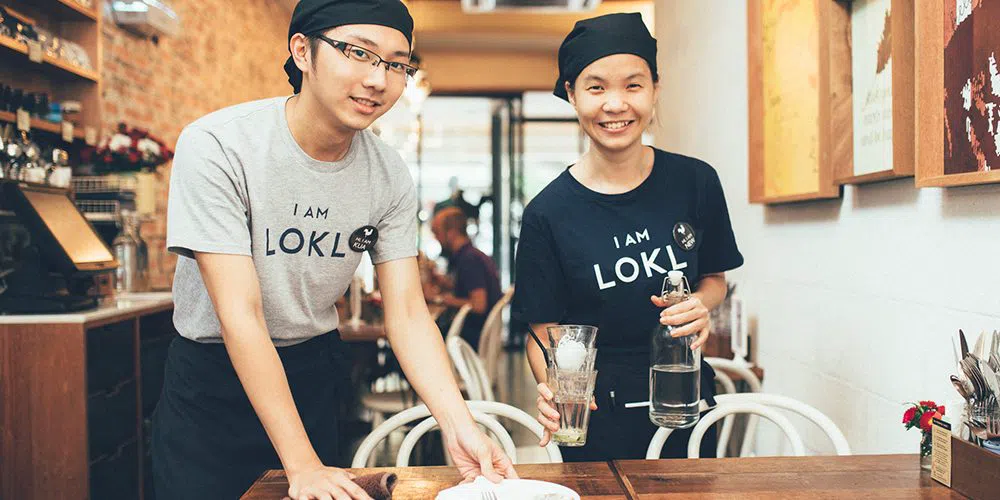
LOKL Coffee Co. (Jalan Melayu, five minutes from Masjid Jamek) is the third-wave counterpoint on this list. The name — 'LOKL', local — is the whole idea: kopitiam ingredients pointed at brunch-café comfort. It's air-conditioned with longer café hours (8am to 5pm), comfortable for groups, and it makes an excellent regroup point in the middle of a Chinatown or old-town walk. Around RM18–40 per person.
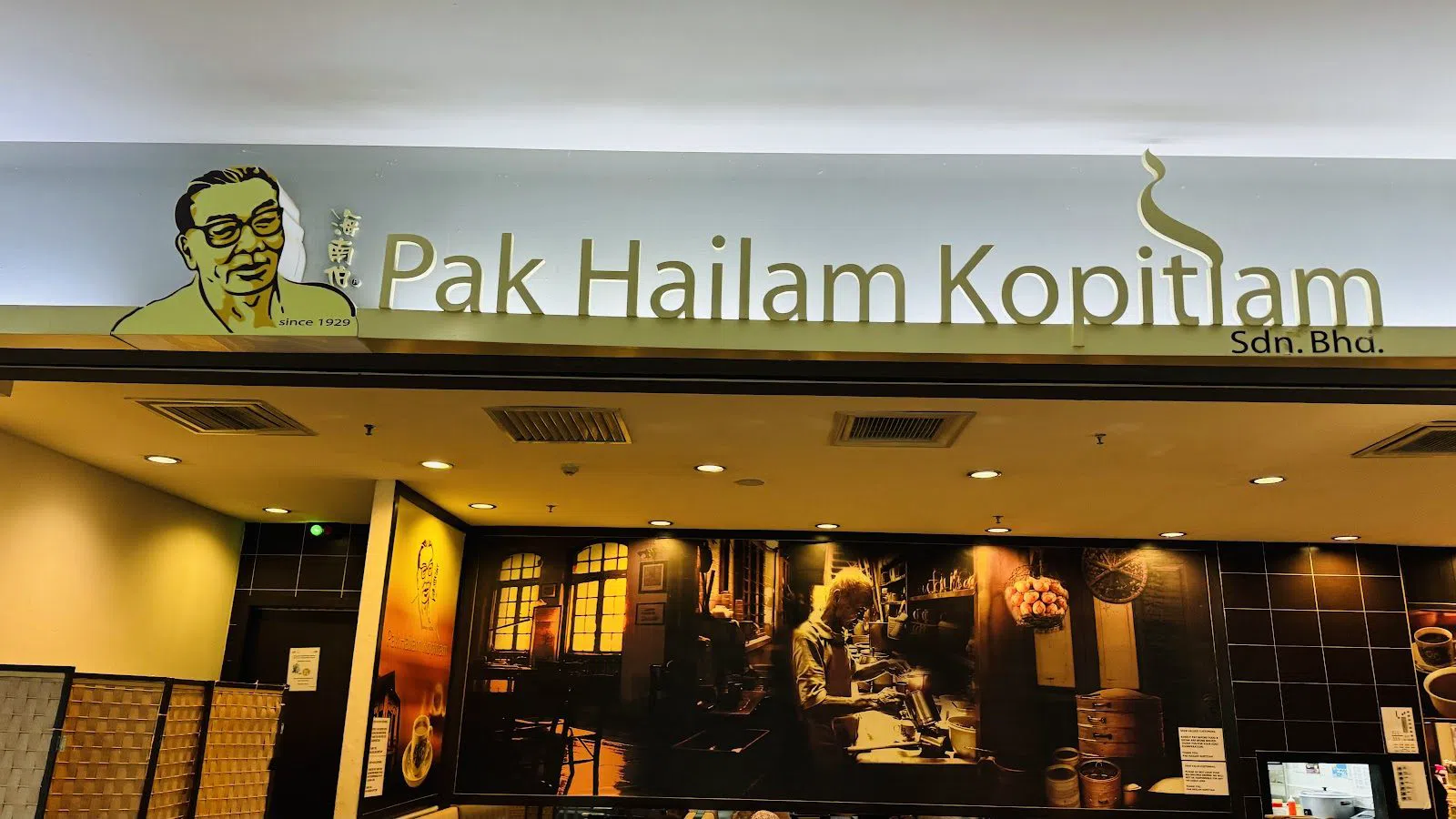
Hailam Kopitiam (several outlets citywide) is the dependable all-rounder. It's a halal, all-day take on the Hainanese coffee-shop menu, spread across sizeable air-conditioned branches — which makes it very group-friendly and, being halal-certified, the inclusive option for a mixed party. RM10–22 per person. I'll be straight: it doesn't have the grit or the ghosts of a 1928 original, but when your group is large, hungry and it's a Monday, that's exactly what you want.
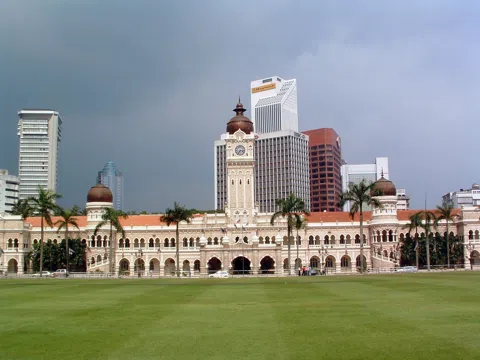
Oriental Kopi (mall outlets and a landmark branch at Dataran Merdeka) is the blockbuster of KL's kopitiam-nostalgia wave — famous for flaky egg tarts and kaya puffs, polished for the mall crowd. The Dataran Merdeka branch is worth singling out because it sits inside the historic old post-office building, which lends a genuine sense of place to what is otherwise a slick chain experience. Big outlets seat big groups, at RM15–35 per person, but expect a queue at the popular branches. It's the pick for a group that wants comfort and reliability over character.
How to plan it
A few things I tell everyone before they go.
Timing. The kopitiam is a morning culture. The oldest and best — Yut Kee, Lai Foong, Win Heng Seng, Ho Kow — are breakfast-and-lunch affairs, with several shutting by five in the afternoon and Win Heng Seng winding down before noon. Build your day around an early start; a kopitiam breakfast by 8am beats one at 11. Watch the closing days too: Yut Kee and Ho Kow are shut Mondays, Capital Café shut Sundays. If your one free morning falls on a Monday, lean on Hailam Kopitiam, Ali Muthu & Ah Hock or Oriental Kopi, all of which keep longer, more reliable hours.
Cash and cards. The heritage shops are cash-friendly and some are cash-first — carry small ringgit notes for Yut Kee, Lai Foong, Win Heng Seng and Capital Café. The newer rooms (LOKL, ChoCha, Oriental Kopi, Hailam, Coliseum 1921) take cards and e-wallets without fuss.
Budget. This is inexpensive eating by any global standard. A proper heritage breakfast — a noodle bowl or a plate of kaya toast with eggs and a kopi — lands around RM10–20 a head. The sit-down and modern rooms run higher: RM20–45 at ChoCha or Oriental Kopi, and up to RM55 per person at Coliseum 1921 for the full chop-and-steak treatment.
Groups versus couples. For a big group, book ahead where you can (ChoCha, Coliseum 1921, Old China Café) or choose the roomy, air-conditioned options (Ali Muthu & Ah Hock, Hailam, Oriental Kopi). For a couple or a solo traveller chasing the real thing, the cramped, queue-number originals — Yut Kee, Ho Kow, Lai Foong — are exactly where you want to be.
Getting around. Most of these sit in a tight triangle: the old commercial core around Jalan Tuanku Abdul Rahman and Dang Wangi, Chinatown around Jalan Petaling and Jalan Balai Polis, and Bukit Bintang. The LRT and MRT reach all three — Masjid Jamek and Pasar Seni stations put you within a short walk of the Chinatown and old-town shops, and Bukit Bintang station drops you near Win Heng Seng. Between clusters, a Grab ride is cheap and quick, and beats the midday heat. For everything else you'll want to pin down before the trip — neighbourhoods, getting in from the airport, when to go — see the full Kuala Lumpur guide.
Before you go
What is a kopitiam?
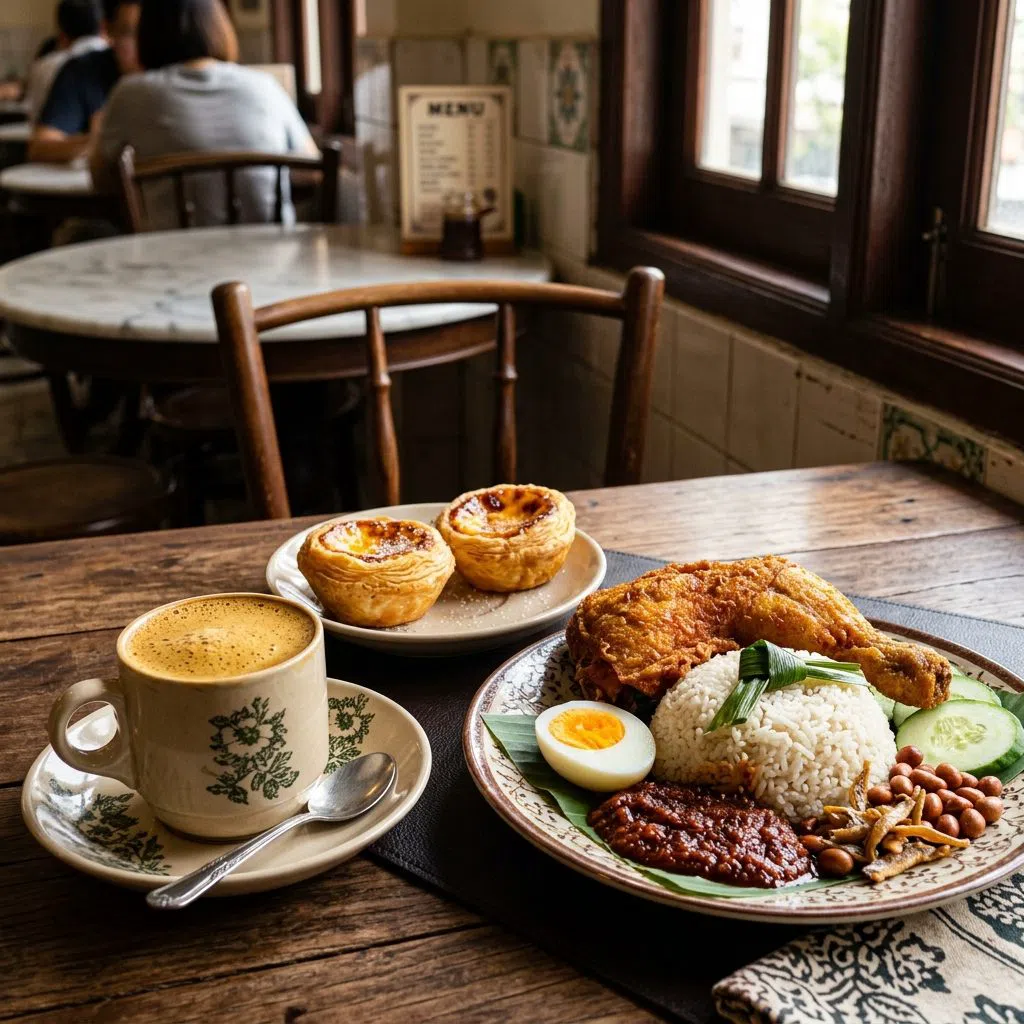
A kopitiam is a traditional Malaysian coffee-shop — the word joins Malay-Hokkien *kopi* (coffee) with Hokkien *tiam* (shop). Many were founded by Hainanese immigrants and serve a hybrid menu of kaya toast, half-boiled eggs and strong condensed-milk coffee alongside noodle and rice stalls, often run by different families under one roof.
Which Kuala Lumpur kopitiam is best for a large group?
For numbers, choose the roomy, air-conditioned options: Ali, Muthu & Ah Hock, Hailam Kopitiam and Oriental Kopi all seat big groups and keep long hours. For a sit-down group meal you can reserve, Coliseum 1921, Old China Café and ChoCha Foodstore take bookings. The cramped heritage originals like Yut Kee and Ho Kow suit couples and small parties better.
Are there halal or pork-free kopitiam in Kuala Lumpur?
Yes. Ali, Muthu & Ah Hock is pork-free, and Hailam Kopitiam is halal-certified across its outlets, making both good for mixed or Muslim groups. Be aware that some heritage shops are not — Restoran Win Heng Seng specialises in pork noodles, for example — so check before you go.
Do Kuala Lumpur kopitiam take reservations and cards?
The heritage shops (Yut Kee, Kedai Kopi Lai Foong, Ho Kow, Capital Café) are walk-in only, cash-friendly and often cash-first. The newer rooms — ChoCha Foodstore, Coliseum 1921, Old China Café — take group bookings, and modern spots like LOKL, Oriental Kopi and Hailam accept cards and e-wallets.
What time should I go to a kopitiam in Kuala Lumpur?
Go early. Kopitiam culture is a morning affair — Kedai Kopi Lai Foong opens at 6:30am and Restoran Win Heng Seng is morning-only, while Yut Kee, Ho Kow and LOKL close around 5pm. Aim to eat by 8am to beat the queues, and check closing days: Yut Kee and Ho Kow shut Mondays, Capital Café shuts Sundays.