The Kuala Lumpur issue
Where the Rivers Meet: Kuala Lumpur's Muddy Confluence and the City That Rose From It
Kuala Lumpur means 'muddy confluence' — and if you know where to stand, two forgotten rivers still tell the whole story of the city built over them.

By Lena BrandtThe city between the towers
The name is not poetry. Kuala Lumpur means muddy confluence, and the mud was real — the silt-brown meeting of the Klang and Gombak rivers where, in 1857, a party of tin prospectors waded ashore and started hacking a trading post out of the jungle. Most of them were dead of malaria within a month. The town that eventually took hold on that unpromising spit of land is now a capital of towers and toll roads, and for most of the last century it turned its back on the two rivers that named it. This guide walks you back to them.
I plan this as a half-day on foot, ideally started in the late afternoon so you arrive at the water after dark. It is a compact, walkable arc — confluence, colonial square, Chinatown, railway — and almost everything on it is free. What follows is grouped the way I'd actually move through it, with honest notes on which stops reward a lingering couple and which are built for a coach party of forty.
Start at the mud: the confluence that named a city
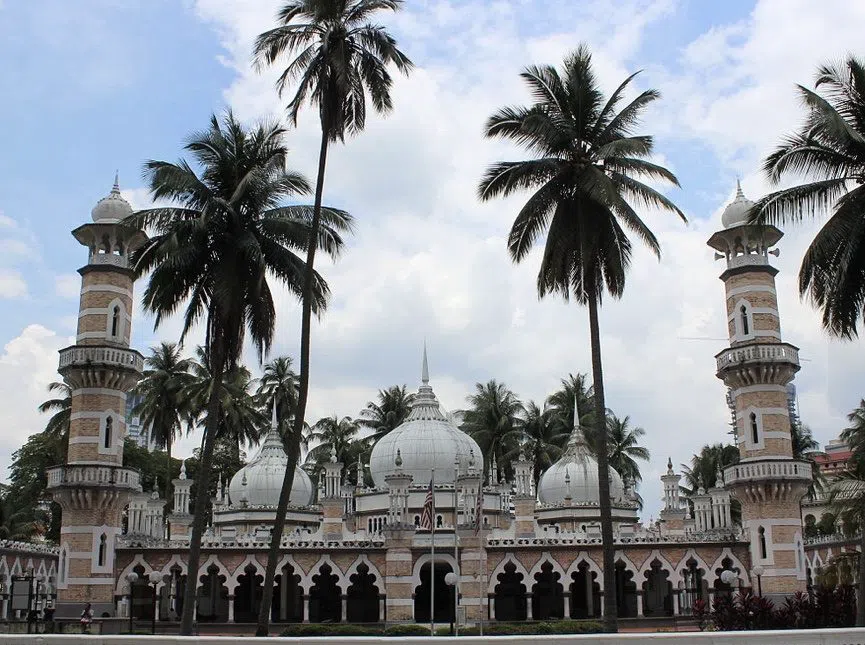
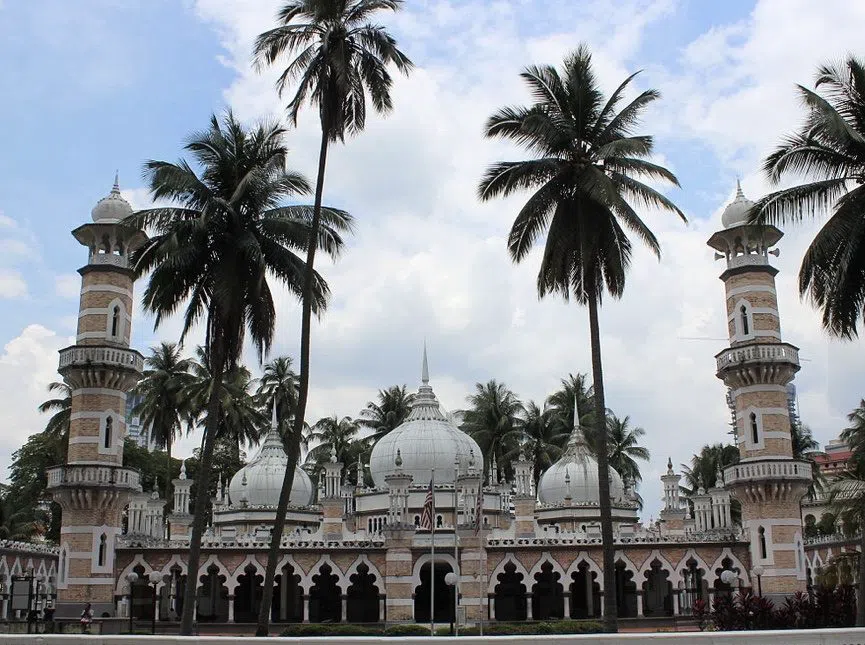
There is exactly one place to begin, and it is the reason the city exists. Masjid Jamek Sultan Abdul Samad, in the old commercial core, sits on the tongue of land where the Klang and Gombak actually meet — the literal muddy confluence. The mosque's Mughal-revival domes and the palms along the embankment make it the most photographed sacred building in the city, but I care less about the postcard than about the geography: stand on the riverside plaza and you are standing on the origin point of everything else in this guide. A note on timing that matters for 2026 — the interior is under restoration through the year, so you cannot currently go inside the prayer halls. It doesn't change the visit much. The facade, the confluence itself and the surrounding plaza remain fully viewable, and this was always a place you came to see the water, not to go indoors. Entry is free; if you do enter the prayer areas in a future year, dress modestly, shoulders and knees covered. Groups gather freely on the exterior and riverside plaza, and heritage walks stop here as a matter of course.
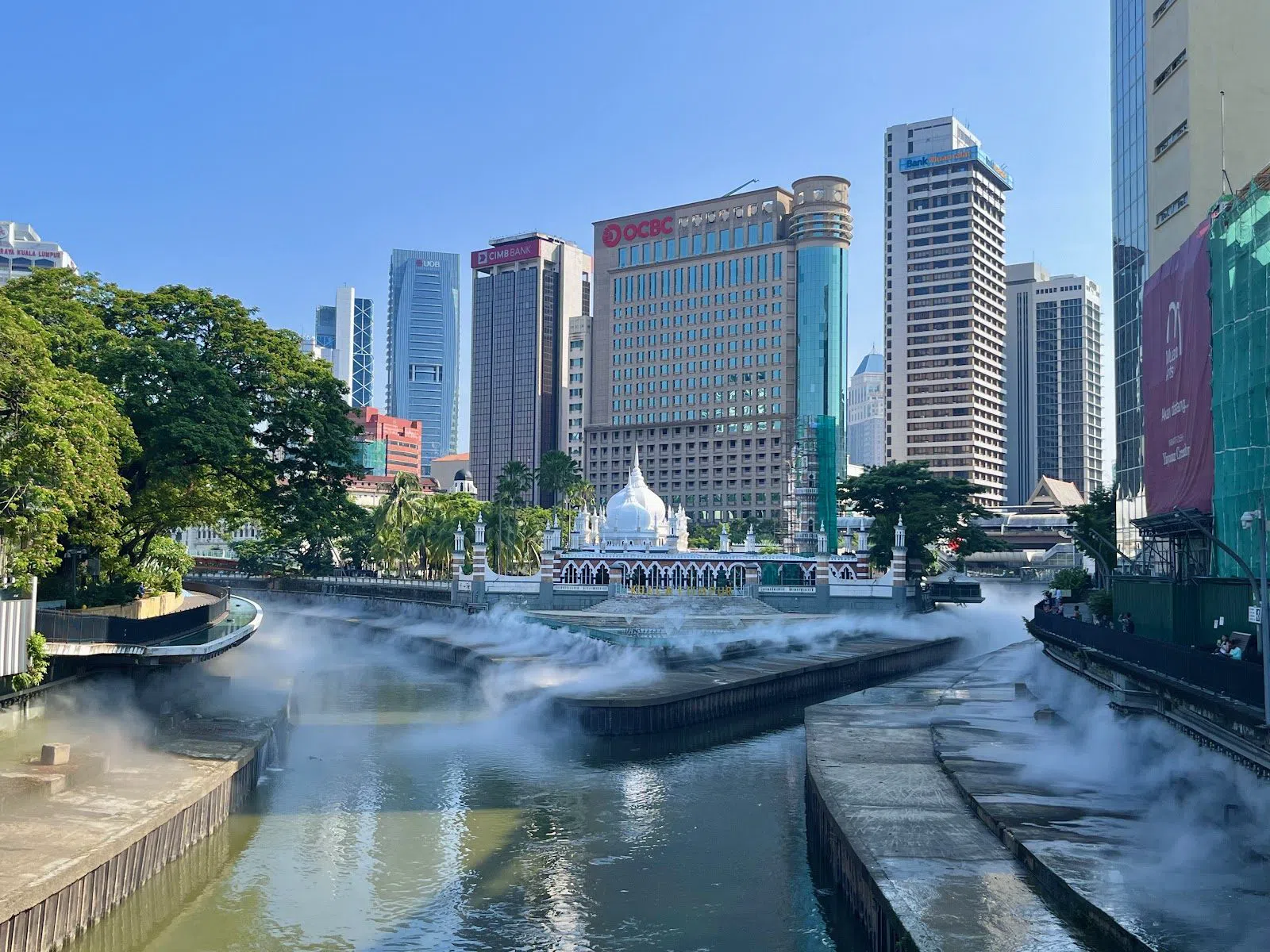
From the plaza, the rivers now run in dressed stone channels lit an unearthly blue after dark — the River of Life, along the Klang–Gombak waterfront. This is the billion-ringgit restoration the whole story turns on: a city that had culverted, ignored and effectively poisoned its rivers deciding, very late, to re-light them. The promenade is a free public open space with no booking, easily managed by groups, and the honest advice is to come between 8 and 10pm, when the blue lights and the fog machines run and the confluence exhales a slow mist over the water. In daylight it can look like a well-swept drainage project. At night it becomes the single image that justifies the whole restoration — and, conveniently, the emotional payoff of this walk if you've saved it for last.
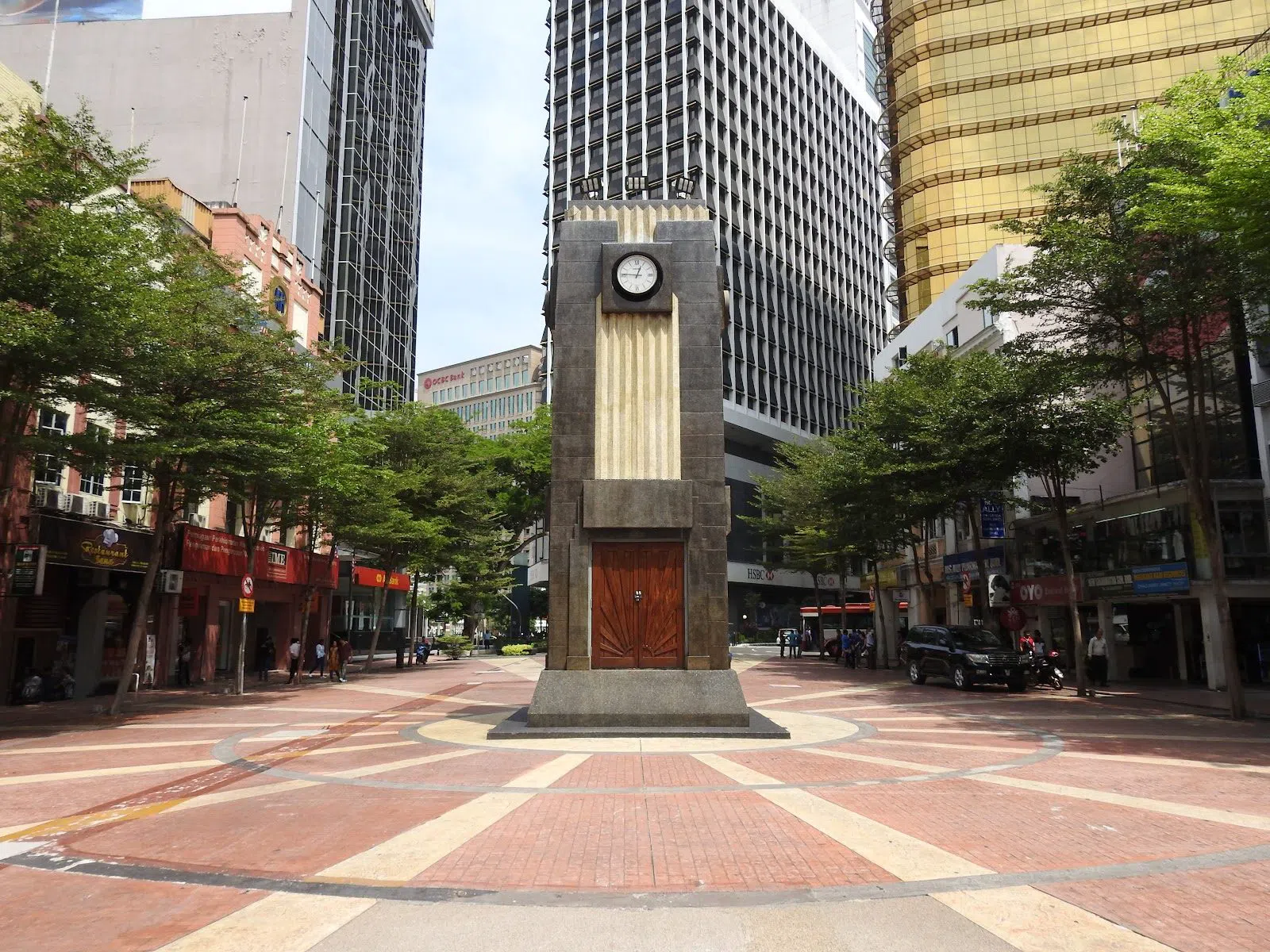
A two-minute stroll away is Medan Pasar (Old Market Square), a modest pedestrian square that most visitors cross without knowing it is the actual cradle of the city. This is where Kapitan Yap Ah Loy — the Hakka strongman who effectively built and ran early KL — laid out his market beside the confluence. The Art Deco clock tower at its centre marks the pivot from lawless tin-mining camp to organised colonial commercial heart. It's a walk-in public square, free, where heritage groups muster; for a couple it's a five-minute pause with a coffee, not a destination in itself, but the history under your feet here is denser than anywhere else in the city.
Plan your Kuala Lumpur trip
Live prices from our booking partners.
Free cancellation on many rooms. We may earn a commission when you book.
The grid the British laid over the river town
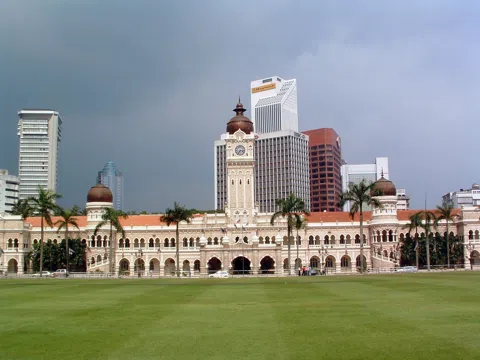
Walk west across the river and the city changes character abruptly — from the tangled organic street pattern of the trading post to a deliberate, laid-out colonial grid. Its centrepiece is Dataran Merdeka (Merdeka Square), the long green padang where the British played cricket and, at the stroke of midnight on 31 August 1957, lowered the Union Jack for the last time. It's an open public space with no limit on numbers — a natural muster point for tour groups, and the start line for most of the city's heritage walks. Go early morning or late afternoon; there is no shade and the midday heat off the grass is punishing.
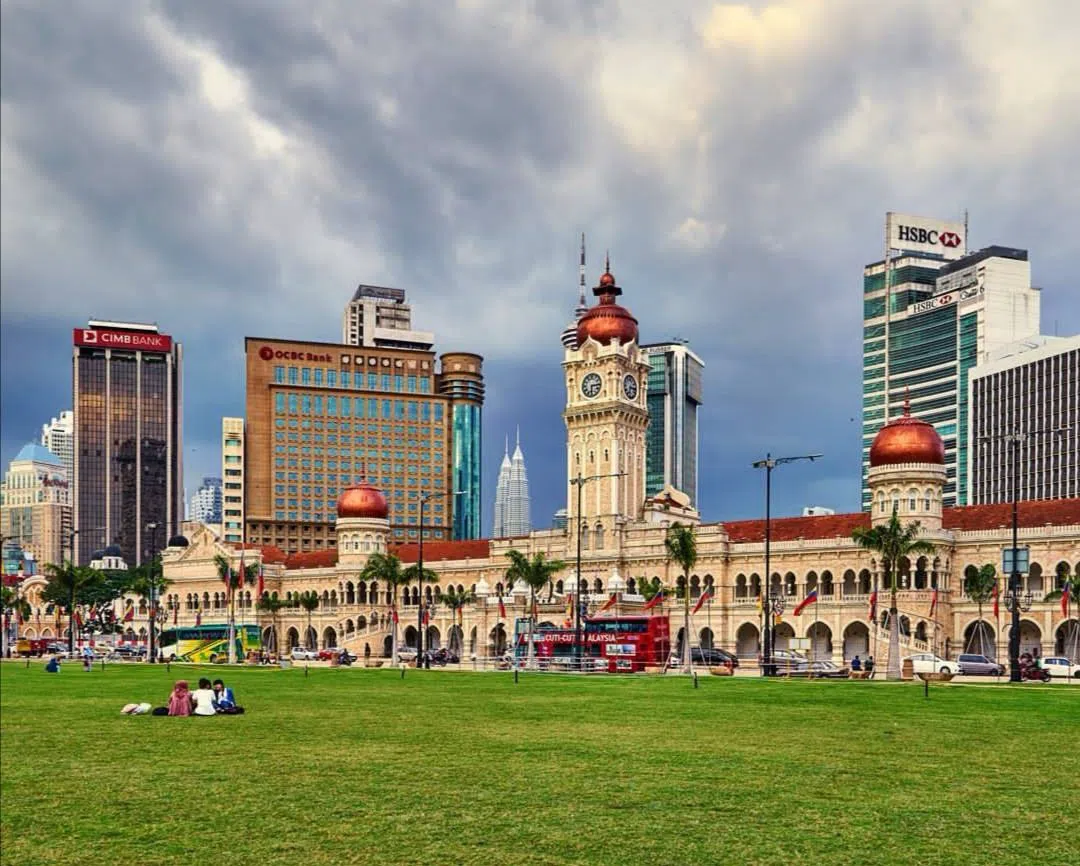
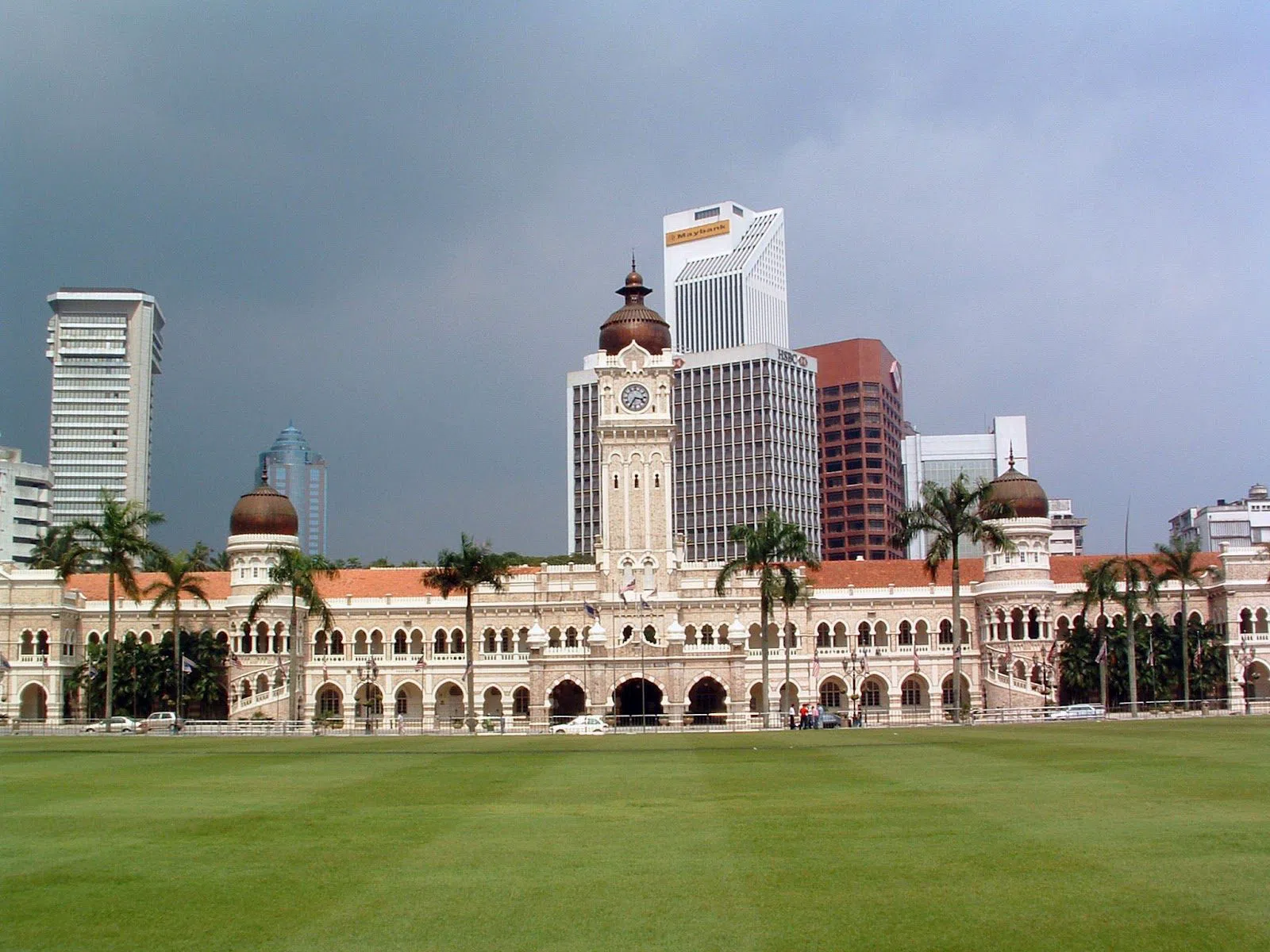
Running the length of the square is the building every visitor has already seen in photographs without knowing its name: Bangunan Sultan Abdul Samad, the colonial administration block with its copper onion domes and 41-metre clock tower. Here is the genuinely timely part for a 2026 visit — the building reopened to the public in February 2026 after an eleven-month restoration, and its Block 1 galleries now take visitors and groups. That's unusual; for years this was a facade you admired from across the road and nothing more. The exterior is always viewable and free, and it is the definitive image of the city the British built directly over the rivers.
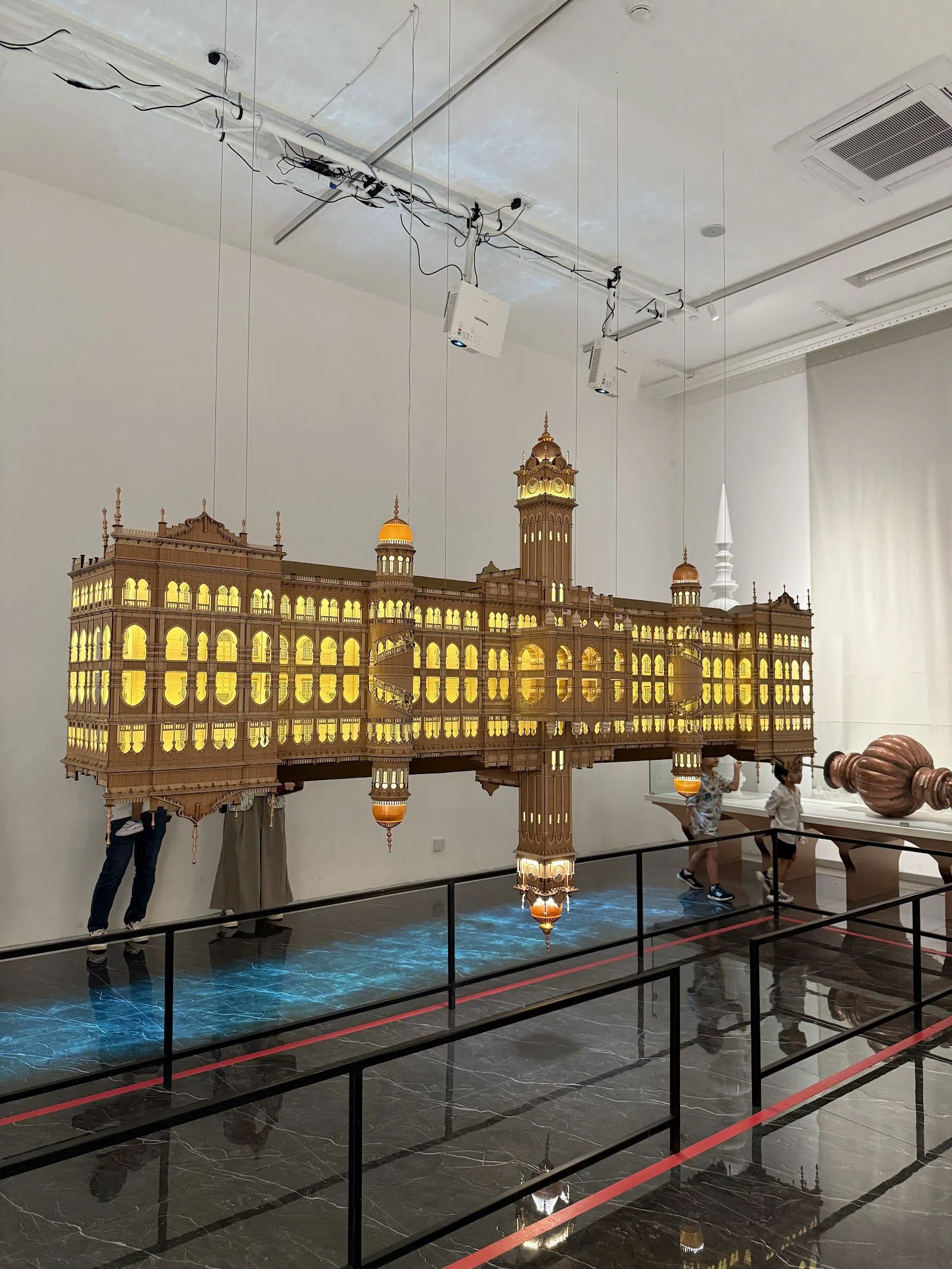
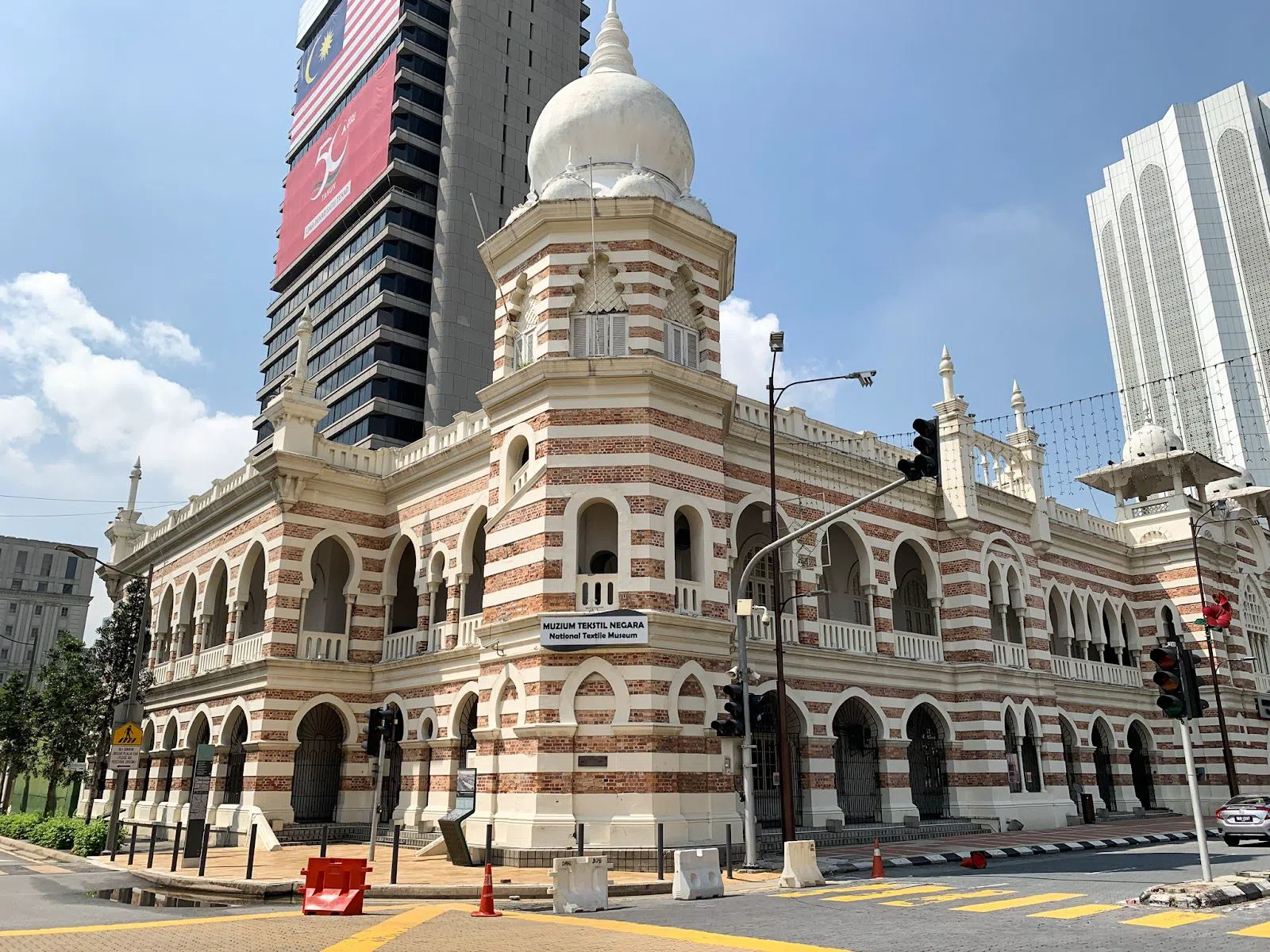
Two museums on the square ground the human story, and they suit different travellers. National Textile Museum (Muzium Tekstil Negara), housed in another restored colonial block, is open daily roughly 9am to 6pm and charges a small entry fee. It welcomes groups and school parties, and it does something the grander monuments don't — it tells you what the rivers actually carried: cloth, thread, commerce, craft, the tactile human side of the tin-and-trade economy. It's a calm, air-conditioned twenty minutes and a good hot-afternoon refuge. A short walk on, Kuala Lumpur City Gallery is the one I send first-time visitors to before anything else. It's open daily, handles tour groups comfortably, doubles as the official start of the city's Heritage Trail, and its single room of models and timelines is the best short primer anywhere on the whole river-to-metropolis arc. Free or a token fee, depending on the exhibit. If you have only an hour of history in you, spend it here and skip the rest — I mean that as praise. For a full itinerary and where to base yourself, the Kuala Lumpur guide has the wider picture.
Chinatown: where the river's trade turned to stone
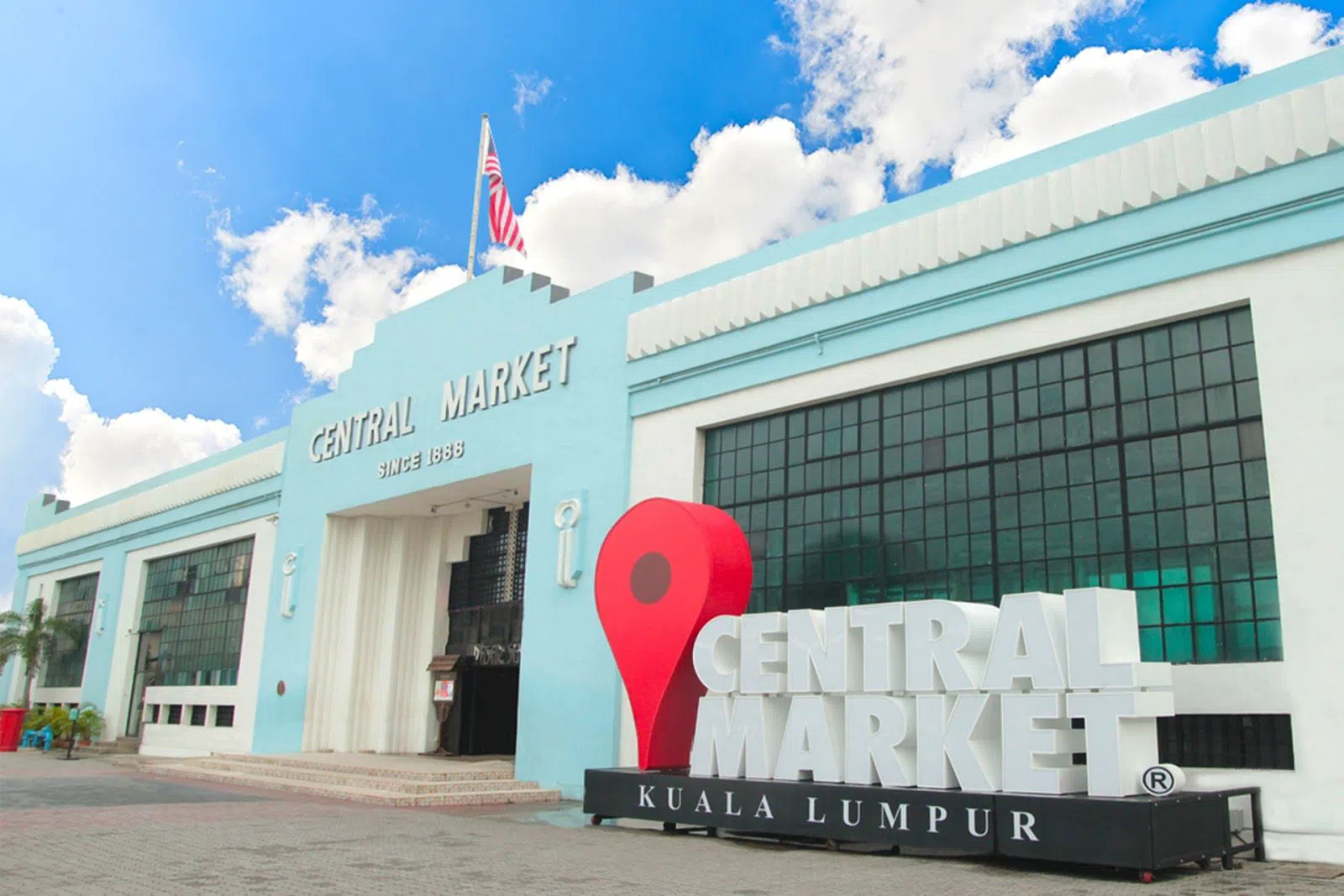
Back across the water, south of the confluence, is the quarter where the tin economy hardened from a muddy camp into permanent commerce. Start at Central Market (Pasar Seni), the powder-blue Art Deco hall that was built in 1888 as the riverside wet market feeding the mining town. It now trades in crafts and souvenirs rather than fish and vegetables, and purists grumble that it's touristy — fair enough — but it is a genuine national heritage site with a heritage tour programme, open daily 10am to 10pm, free to enter and very group-friendly. Read it as architecture and origin story rather than shopping and it earns its place.
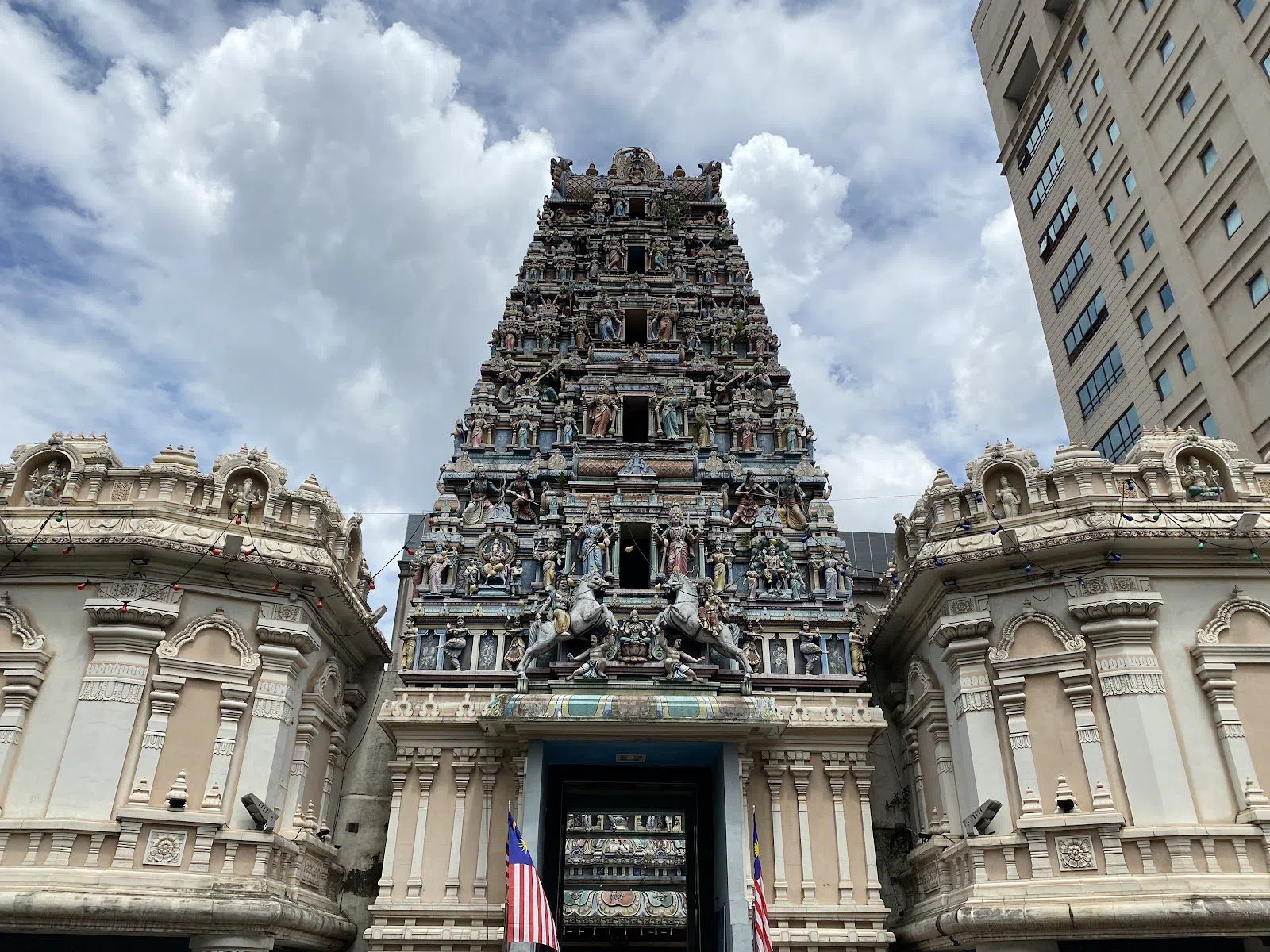
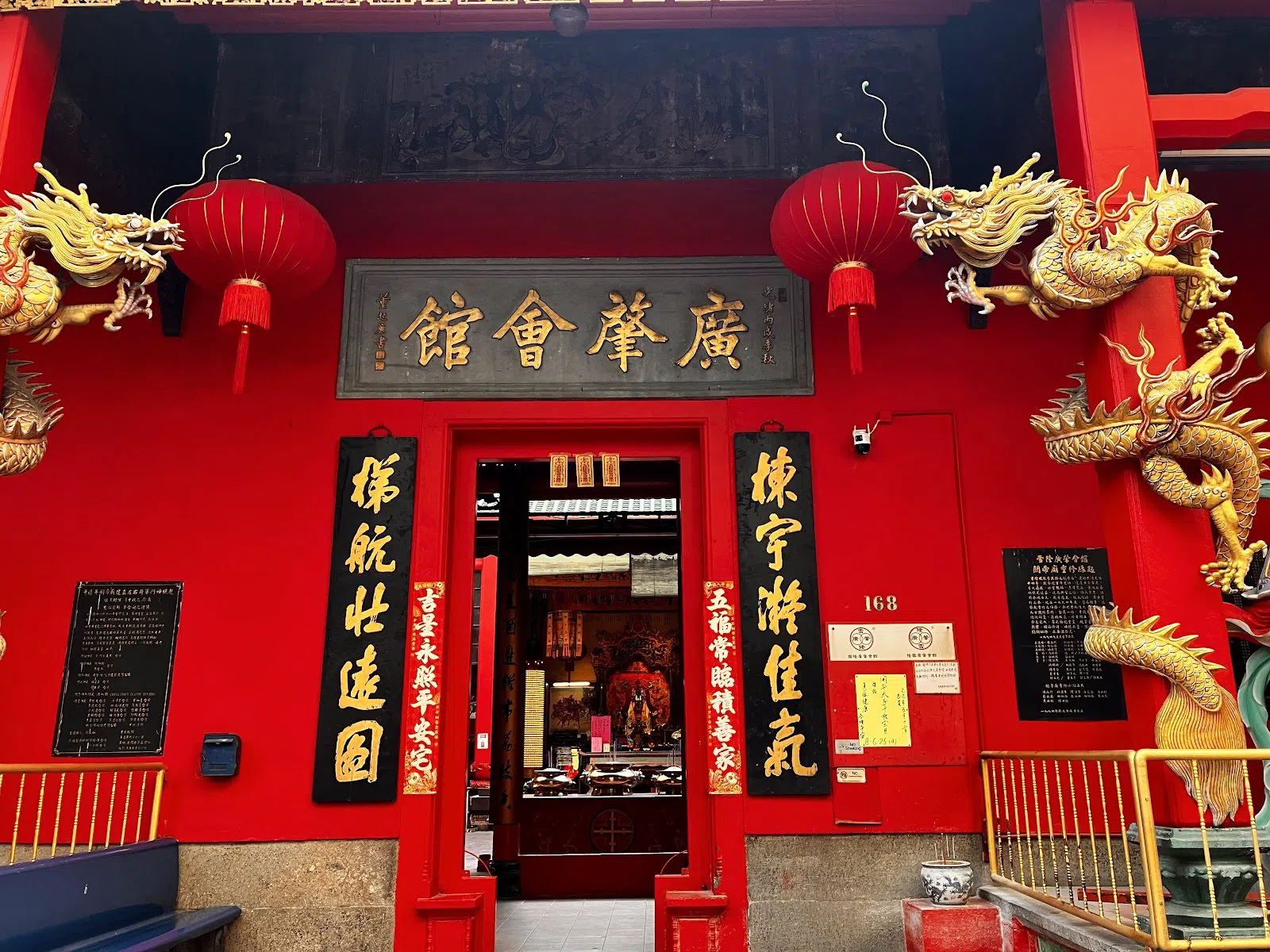
The temples nearby are the real spiritual thread back to the founders, and they reward quiet couples more than large groups. Sin Sze Si Ya Temple, tucked down a lane in Chinatown, is the oldest temple in the city, founded in 1864 by Yap Ah Loy himself — the same man who built the market at the confluence. There's a small adjacent Pioneers of KL museum. It's a working temple where quiet groups are welcome; keep your voice down and your camera respectful. A few streets over, Sri Mahamariamman Temple is the oldest functioning Hindu temple in the country, founded in 1873, its gopuram tower a riot of painted deities. It's the story of the Tamil labour that laid the colonial railways and worked the estates, written into the riverside town. Groups are fine; remove your shoes (there's a small shoe-minding fee), cover your shoulders.
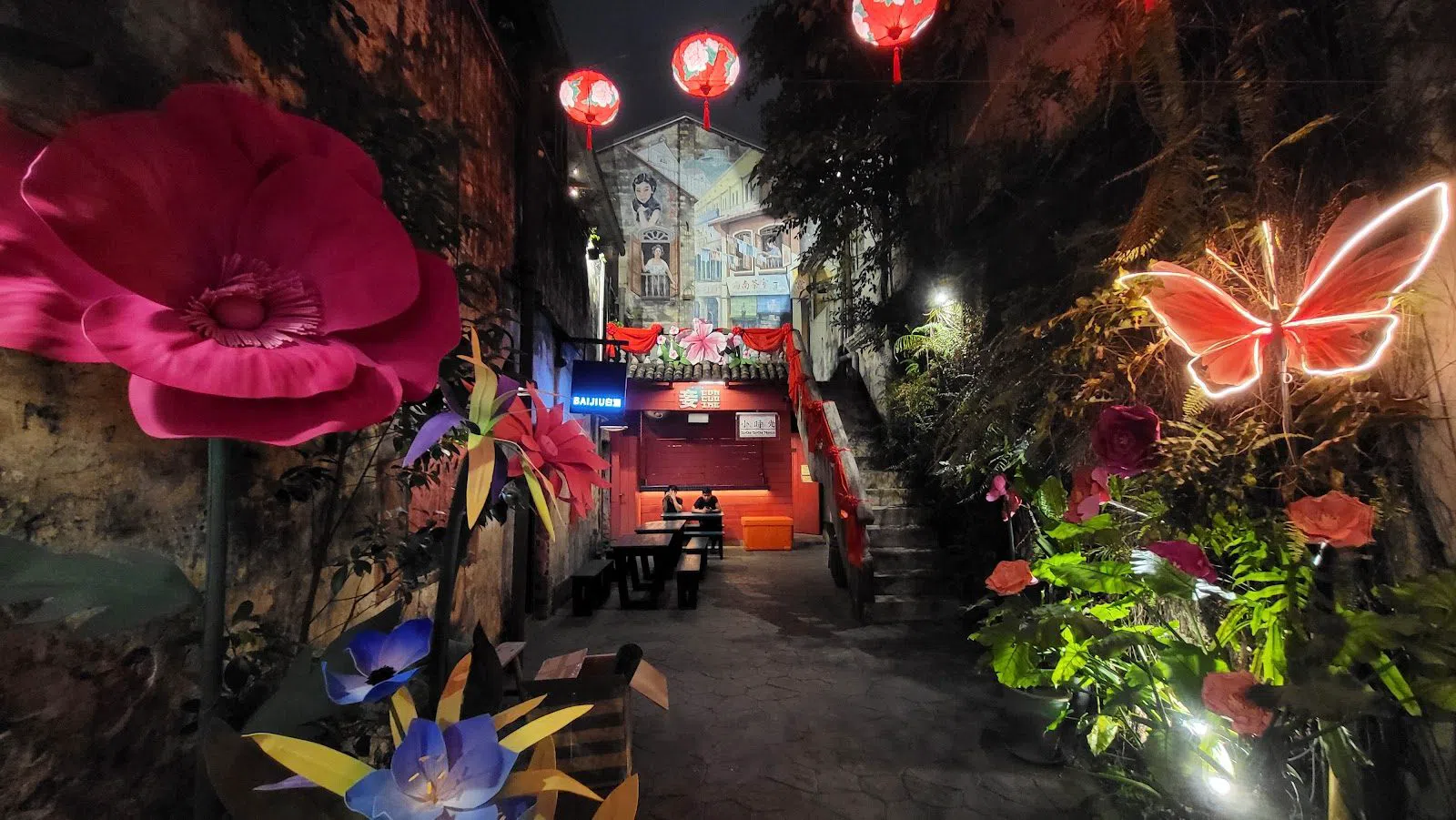
For the most photogenic slice of ordinary history, duck into Kwai Chai Hong, a restored back alley off Chinatown's main drag. It stages everyday life of the tin-era river trade in murals and installations that rotate with the festivals, and there's a small entry fee. It's an open-air laneway, group-friendly but genuinely charming for two — the most accessible, most Instagrammed corner of this whole walk, and unlike a lot of street-art lanes it's actually about something.
The railway that pulled the tin out
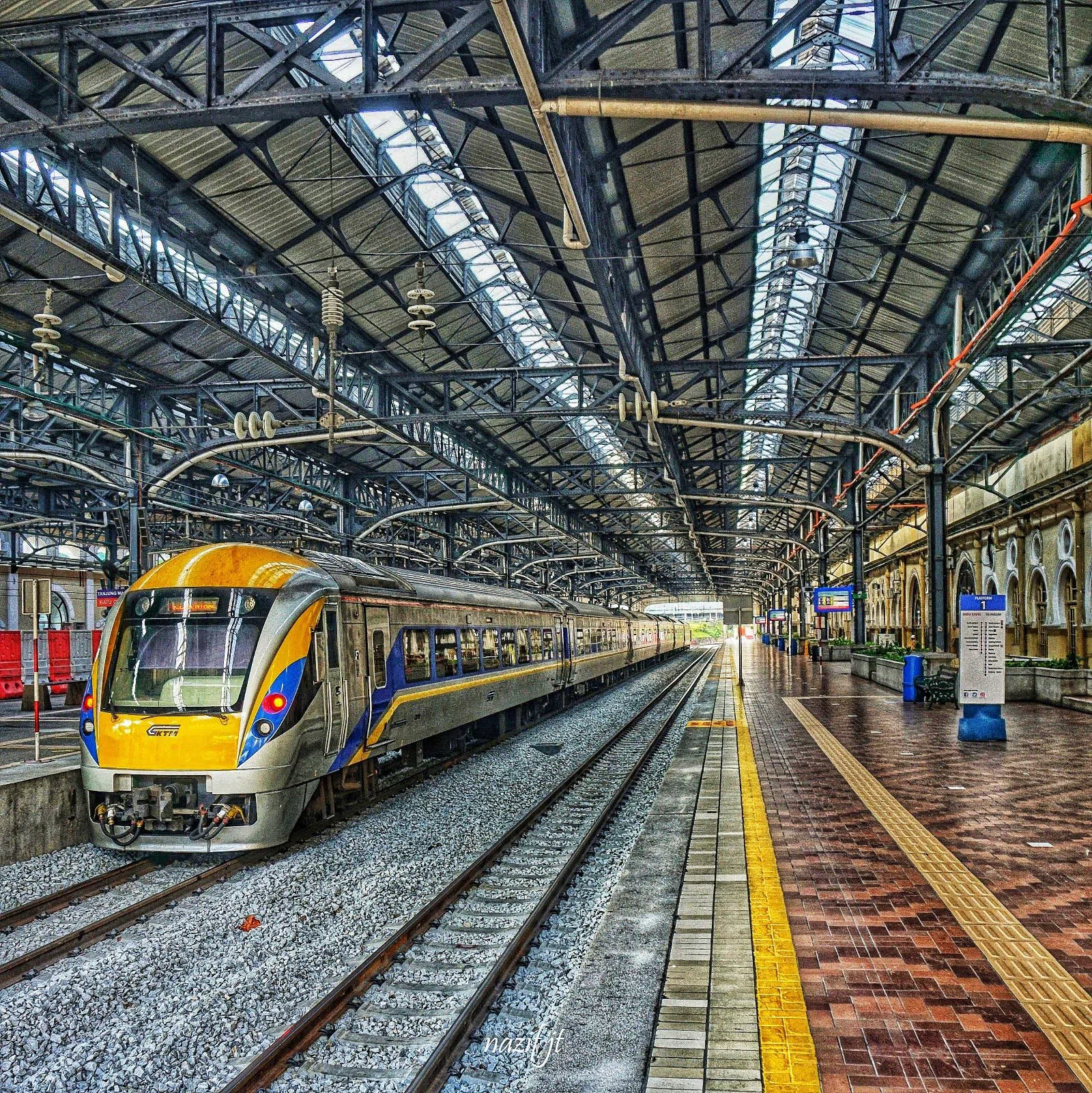
A little south of the old core stands the building that turned a flood-prone river camp into a capital: the Old Kuala Lumpur Railway Station, a white confection of Moorish arches and minarets completed in 1911. This was the infrastructure that pulled the tin out to the ports and pulled the empire in, and it is still a working station catching Komuter commuter trains today. Groups can view the exterior and platforms freely, and it's free. Come for fifteen minutes, stand on the platform, and register that everything you've walked through — the confluence, the grid, the temples — was made economically viable by this one act of Victorian engineering.
Doing it as a guided walk
If you'd rather have the whole thing stitched together by someone who knows the dates, the Kuala Lumpur Heritage Trail Walking Tour is the single entry that ties the rest into one narrative. It's built for small groups, typically two to eight, and threads the confluence, the colonial grid, Chinatown and the River of Life into one roughly 2.5-hour walk — which is, more or less, the exact arc of this article. During Visit Malaysia 2026 there are free guided walks running; a private guide runs around RM300–400 for the group, not per head, which for two or three people buys you a genuinely richer version of the same route. I'd take the free walk if you're a confident self-navigator and the private guide if you want the closures, the gossip and the questions answered.
Honest notes: who each stop suits
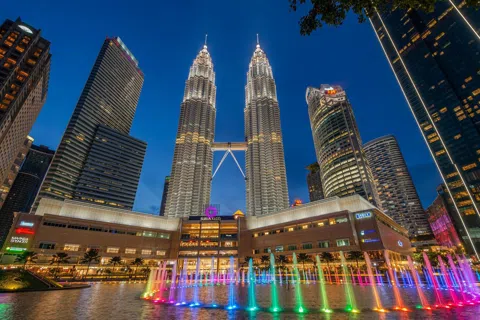
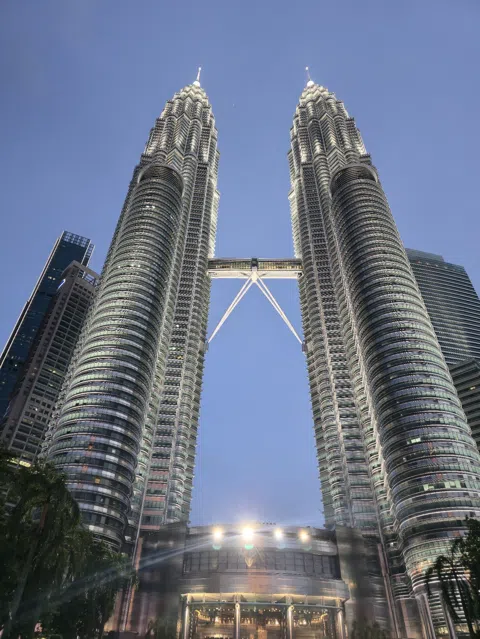
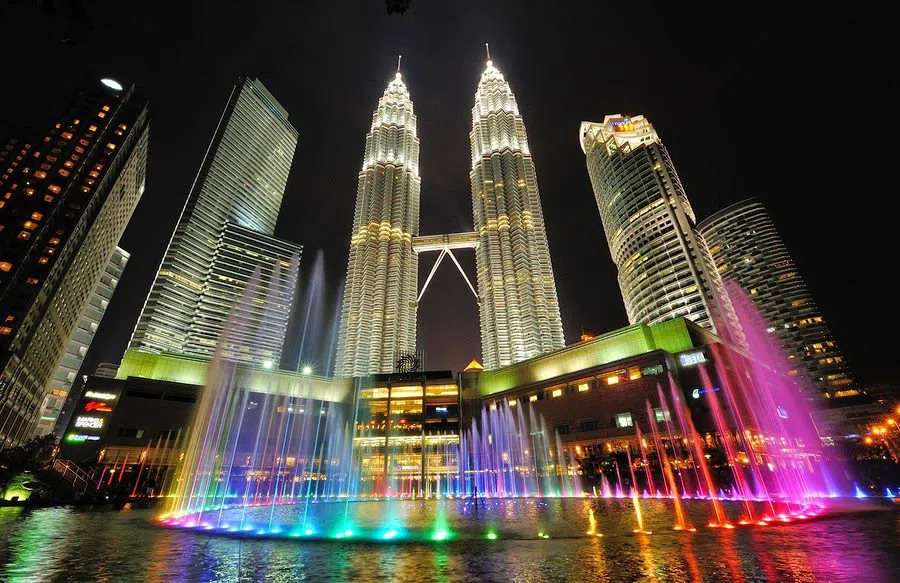
Couples: the temples, Kwai Chai Hong and the River of Life after dark are the ones you'll remember. Skip a rushed midday loop of the square and save Merdeka for golden hour. Groups: Dataran Merdeka, Central Market and the City Gallery absorb numbers effortlessly; the temples and the narrow Chinatown lanes do not, so split large parties and keep the noise down. Nobody needs to book anything except, optionally, the private guide. And a general truth about this city — I've left off the observation decks and the mega-malls on purpose. This is a walk about water and origins, and the towers will still be there, unmissable, whenever you look up.
Practicalities
Transport. The whole route is walkable in a half-day, and the LRT/MRT/Komuter network drops you at the doorstep — Masjid Jamek station sits almost on the confluence, and Pasar Seni station is beside Central Market. Grab (ride-hailing) is cheap and ubiquitous if the heat wins; a short hop across the old core runs a handful of ringgit.
Cash. Most stops are free or charge a token fee of a few ringgit, so carry small notes and coins for temple shoe-minding, laneway entries and museum tickets. Cards work at the museums and Central Market; the temples and street stalls are cash-first.
Timing. Start mid-to-late afternoon, do the colonial square and Chinatown while there's light, and arrive at the River of Life between 8 and 10pm for the blue mist. Avoid the noon sun on Merdeka Square. Afternoon downpours are routine most of the year — carry a small umbrella and treat the air-conditioned museums as your rain plan.
Budget. You can walk this entire arc for well under RM50 a head including a couple of small entry fees and a drink. Add RM300–400 for the group if you take a private guide. The most valuable thing it costs is a few hours of paying attention to two rivers a whole city spent a century trying to forget.
When you're ready to book a base within walking distance of the confluence, the Kuala Lumpur hotel search covers the old-core and Chinatown neighbourhoods this walk runs through.
Before you go
What does the name Kuala Lumpur actually mean?
It means 'muddy confluence' — the silt-brown meeting point of the Klang and Gombak rivers where tin prospectors landed in 1857. That exact confluence sits beneath the city today, right where Masjid Jamek Sultan Abdul Samad now stands.
Can I go inside Masjid Jamek in 2026?
The interior prayer halls are under restoration through 2026, so you can't currently go inside. The confluence, the facade and the riverside River of Life plaza around the mosque remain fully viewable and free, which is the main reason to visit.
When is the best time to see the River of Life light show?
Come between 8 and 10pm, when the blue lights and the fog machines run and the confluence exhales a slow mist over the water. In daylight it looks like a tidy drainage channel; after dark it's the payoff image of the whole walk.
How long does the heritage walk take and does it cost anything?
The core route — confluence, Merdeka Square, Chinatown and the River of Life — takes about 2.5 hours on foot. Most stops are free or charge a few ringgit. Free guided walks run during Visit Malaysia 2026; a private guide is roughly RM300–400 for the whole group, not per person.
Is this walk suitable for large tour groups or better for couples?
Both, with caveats. Dataran Merdeka, Central Market and the City Gallery absorb large groups easily. The Chinatown temples and narrow lanes suit quiet couples or small parties better — split big groups and keep noise down inside the working temples.